

Have you ever wondered if your online privacy policy truly protects your business? Many e-commerce platforms seem to treat privacy like a mere formality, leaving customer data vulnerable and trust hanging by a thread.
Your privacy policy is much more than just a legal document. It acts as a real shield, guiding exactly how you collect and use personal data. Imagine the difference it makes: clear rules can turn hesitant browsers into loyal buyers.
With well-defined data use guidelines and straightforward steps for communication, you build a defense that benefits both your business and your customers. So, are you ready to set up a winning shield for your online space?
Ecommerce Privacy Policy Best Practices for Compliance
Begin with a clear note: your privacy policy is more than a formality. It's a legal agreement that details what personal information you collect, how you handle it, and why. Laws like CalOPPA (2003), GDPR, and PIPEDA require you to be clear and precise. For example, one small retailer boosted customer trust by 30% simply by explaining how they secure payment data before launching their ecommerce platform.
Follow these practical steps:
- List every type of information you collect, from shipping addresses to payment details and tracking cookies.
- Briefly explain the purpose behind each type of data, whether it's to process orders, enhance service quality, or improve marketing efforts.
- Describe any third-party tools or integrations like analytics or retargeting services, and mention options for opting out.
- Provide clear contact information so customers can easily voice concerns or ask for data changes.
- Regularly review and update your policy, making sure to include a “last updated” date (for example, 20 October 2022) to reflect the latest practices.
- Consider using online privacy policy generators as a starting point, then tailor the text to fit your specific business needs.
| Area | Steps to Follow |
|---|---|
| Data Collection | Clearly enumerate and describe all personal information you gather. |
| Data Usage | State the reasons behind data collection, such as transaction processing or marketing. |
| Customer Choices | Provide straightforward opt-out options and contact details for data requests. |
Use these guidelines to build a strong, legally sound privacy policy that not only meets regulatory requirements but also builds lasting customer trust.
Legal Data Privacy Frameworks for Ecommerce Stores

Running an ecommerce store means dealing with a mix of data privacy rules that change from place to place. Back in 2003, CalOPPA helped set the tone in the US by urging businesses to be open about how they collect personal data. Over in Europe, the GDPR takes a firm stand, insisting that companies get clear permission before using any consumer data.
California leads the way in America with the CCPA and CPRA. These laws make it clear that customers have the right to know, and control, how their personal details are used. Not far behind, states like Virginia and Colorado, along with the new law in Connecticut, add extra safeguards for handling customer information. And it’s not just North America playing the game; Brazil’s LGPD provides a robust framework, while Canada’s PIPEDA outlines exactly how personal data should be managed.
Every ecommerce business needs to adjust its privacy policies to meet both international standards and local laws. This means blending all these rules into a clear, accessible privacy policy so customers understand why their data is collected and how it’s protected, no matter where they are.
Key points to remember:
| Focus Area | Description |
|---|---|
| Relevant Laws | Make sure to list all laws that apply to your operations |
| Consumer Rights | Clearly detail what rights customers have over their personal data |
| Customized Policies | Tailor your privacy framework to match the rules in each region |
Staying flexible and regularly updating your policies is crucial in this ever-changing legal landscape.
Essential Clauses in an Ecommerce Privacy Policy

Start by listing all the kinds of data you collect. Mention specifics like payment details, shipping addresses, and IP addresses. For example, you could say, "We collect payment information to process orders and shipping addresses so we can deliver your purchase quickly." This simple approach builds trust and meets legal standards.
Next, explain why you need each type of data. Common reasons include fulfilling orders, processing payments, and running tailored ad campaigns on platforms such as Google Analytics or retargeting services. A sentence like, "We use your data to offer personalized product recommendations and improve your shopping experience," makes it clear how your information is used.
Be sure to spell out how your site uses cookies and tracking tools. Describe whether these tools are tracking your browsing habits for marketing or analytics purposes. For instance, you might say, "Cookies help us customize your experience and gauge website performance." This transparency helps satisfy digital security rules and respects customer consent.
It’s also important to offer an opt-out option, giving customers control to modify or delete their data as needed.
If your site might collect data from children under 13, include a section that explains your compliance with COPPA. Clearly state what information is gathered from minors and the measures you take to protect them.
Finally, list clear contact details for any privacy-related questions. A line like, "For data concerns, email us at privacy@yourecommerce.com," makes it easy for users to reach out and builds further trust in your security practices.
Ecommerce Customer Data Security Practices
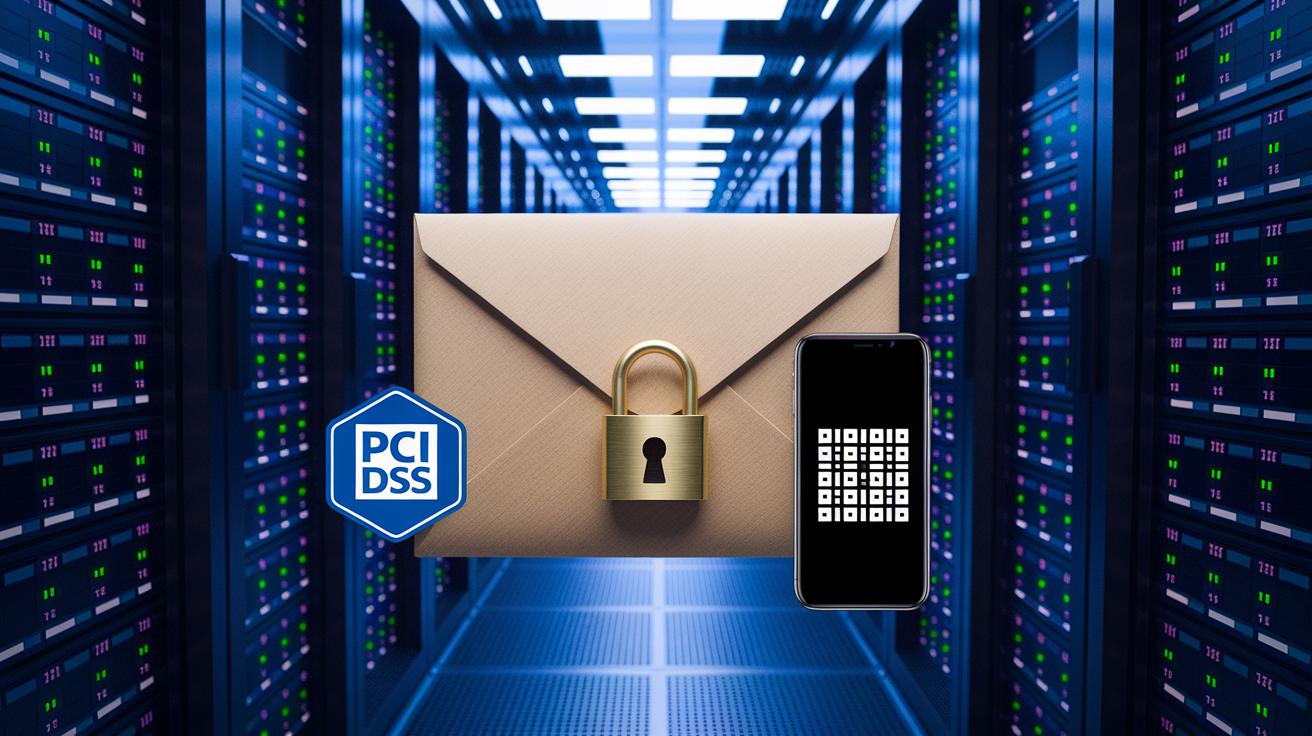
Strong security practices are the heart of any online privacy policy that earns customer trust. Think of SSL/TLS certificates as a secure envelope for your data, keeping everything private as it's sent over the web. Payment processing also plays its part, following PCI DSS standards to handle your payment details with top-notch care. And when it comes to storing sensitive data, encryption makes sure information stays scrambled and unreadable without the right key. Multi-factor authentication is another smart layer, making it tough for unauthorized users to sneak in.
Regular security check-ups are a must. Companies should routinely schedule reviews to spot and fix any weak spots before they become problems. If a breach ever happens, having clear, step-by-step response plans is vital for quick action.
Here are a few simple steps you can follow:
- Use SSL/TLS to keep data safe while it's moving.
- Stick to PCI DSS standards for handling payments.
- Encrypt stored data so it stays protected.
- Use secure authentication methods to control who sees what.
- Set up breach response plans and conduct regular audits.
These measures not only build strong defenses but also boost customer confidence that their personal details are safe when shopping online. In the end, a thoughtful approach to data encryption and platform security helps shape a reliable shield for your ecommerce privacy practices.
Drafting and Customizing Your Ecommerce Privacy Policy

Start by gathering handy policy templates that can kickstart your work. You might find online generators that work like a fill-in-the-blanks tool, prompting you to add details on how you use customer data or which third-party tools you rely on. This method makes it easier to tailor the policy to your ecommerce business’s real needs.
It’s a good idea to have a lawyer review your draft too. Imagine saying, "I updated my policy on October 20, 2022 to reflect new privacy practices", this shows your commitment and keeps the policy timely. Using customizable templates available in HTML, PDF, DOCX, or Google Docs can simplify the whole process while ensuring you meet legal standards.
Next, break down your agreement into clear sections. Describe your data collection methods, cookie usage, and opt-out options in straightforward language. For example, a line like, "We collect payment details solely to process orders and will never share them without your explicit consent" is both clear and reassuring for your customers.
Outline each part of the policy separately, one section can cover data usage, another can explain third-party collaborations, and a third can detail customer rights regarding data changes. A helpful tip is to review sample privacy policies online and adjust them to fit the specific way your business operates.
Finally, schedule regular reviews of your policy. Keeping a visible “last updated” date ensures that everyone knows the document is current, while clear headings and organized text make it easy to follow. This custom approach not only meets legal requirements but also shows your customers you’re dedicated to protecting their information.
Website Privacy Protocols: Placement and Accessibility for Ecommerce Sites

Make sure your privacy policy is easy to find. A great start is placing it in your site’s footer so it shows up on every single page. You can also pop it onto registration and sign-up pages so that customers see it right when they begin their journey. And during checkout, display the privacy policy prominently, it reassures customers that their information is secure. Some brands even sneak it into newsletter sign-up forms to keep subscribers informed from the get-go.
Another helpful tip is to include a dedicated link for CCPA/CPRA compliance, like a “Do Not Sell My Personal Information” option. This gesture shows you care about transparency and protecting customer data. For larger platforms, grouping this link with other customer policies can be very effective. You could even gather more ideas by checking out pages like the "store policies for customers" page.
| Key Placement Strategies |
|---|
| Site footer integration |
| Account registration/sign-up pages |
| Checkout process visibility |
| Newsletter sign-up forms |
| Dedicated CCPA/CPRA compliance link |
Updating and Auditing Your Ecommerce Privacy Policy

Make it a habit to review your privacy policy on a regular basis so it stays in tune with the latest legal shifts, think updates like those from the New York SHIELD Act or new changes in CPRA. Every time you update the policy, note the date and jot down what was changed so everything stays clear and transparent.
Set a routine for compliance checks. You might even note something like, "I updated our policy on March 1 to include CPRA changes" to show your dedication to keeping your policy fresh. These routine audits help you catch old or outdated clauses and spot areas that need a modern touch.
Keep an eye on the latest regulatory news and lean on tools like compliance software to alert you when data privacy laws change. It can also be helpful to use a checklist as you review your privacy practices, this way you can be sure that how you handle customer data always meets the latest legal standards.
| Step | Action |
|---|---|
| 1 | Schedule full audits at fixed intervals (like quarterly reviews) |
| 2 | Record each revision with specific dates |
| 3 | Use compliance software to get alerts on regulation changes |
Taking these steps builds a process that not only protects your business but also keeps your customers safe, ensuring that your online privacy policy remains a sturdy and reliable safeguard amid a changing legal environment.
Final Words
In the action steps above, key aspects of crafting a solid ecommerce privacy strategy come to life. Each section explained clear methods, from legal frameworks and customer data security to practical drafting approaches and visible website placements. Small adjustments, like regular audits, keep your policy up to date. This practical guide empowers you to build an effective online privacy policy for ecommerce that supports compliance and fosters trust. Stay proactive and keep your policy as dynamic as the market.
FAQ
Frequently Asked Questions
What is an online privacy policy for ecommerce template?
The online privacy policy for ecommerce template explains which personal data is collected, how it’s used, and meets legal requirements. This template helps businesses build trust and maintain compliance.
What are some examples of online privacy policies for ecommerce websites?
The online privacy policy for ecommerce examples illustrate various formats and clause structures. They show how to disclose data collection, usage, and sharing practices clearly for customer confidence.
How can I access a free online privacy policy for ecommerce in PDF format?
The free online privacy policy for ecommerce PDF offers a ready-to-use document that details data handling practices. It provides a downloadable format that meets standard legal guidelines for ecommerce websites.
How does a privacy policy generator work for ecommerce websites?
The privacy policy generator for ecommerce websites automatically creates a customized agreement by prompting for business details. It simplifies the drafting process and ensures the document complies with legal data protection standards.