
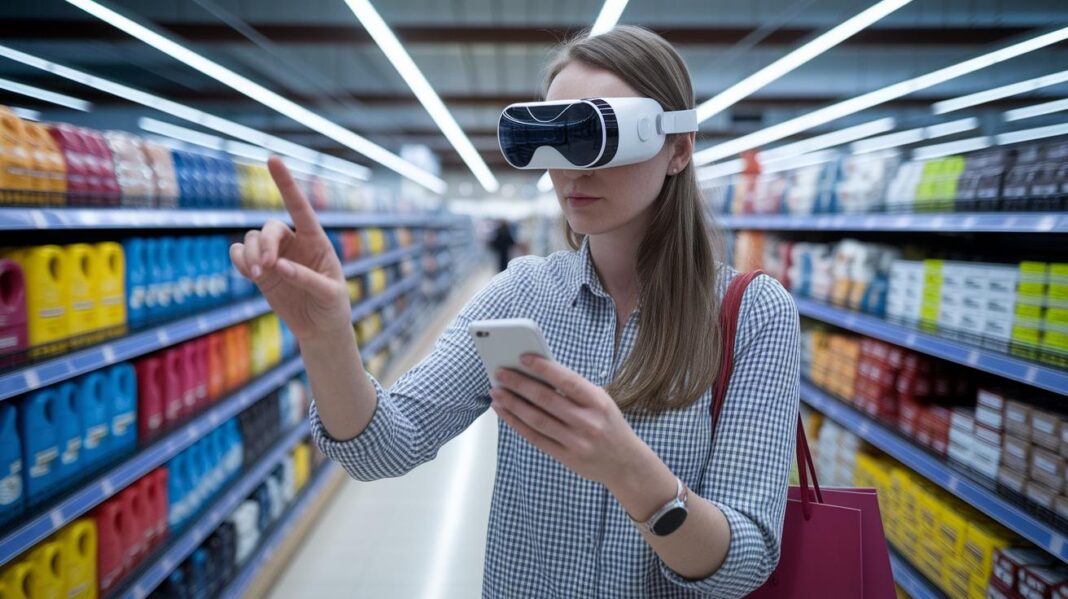
Ever wondered if a simple tap or swipe could transform your shopping experience? Today's retailers mix digital tools with traditional in-store ease to speed up every purchase. Imagine checking out quickly with smart registers, using contactless payments, and getting helpful suggestions based on data, all designed to make shopping feel effortless.
This blend of tech and retail means whether you're browsing online or in a physical store, the process is smoother and more intuitive. Curious about how these innovations are reshaping old shopping habits? Let's dive in and explore how the digital world is sparking a fresh wave of retail creativity.
Shopping Technology Revolution: Redefining Retail Interactions
Shopping tech is completely changing the game for both online and physical stores. Today, smart digital strategies mix with real-world experiences to create a shopping journey that’s both smooth and engaging. Eight major trends are driving this shift: unified commerce, AI-powered experiences, modern automation, integrated payment options, connected operating systems, customer-first ecosystems, data-driven merchandising, and infrastructure that’s built for the future. Together, these trends form strategies that boost user engagement at every step, both online and in-store.
Consider this: not long ago, long checkout lines in stores were just part of the experience. Now, technology has turned that on its head by enabling fast, nearly frictionless transactions. Take Shopify, for example. Its end-to-end suite offers a customizable storefront, versatile themes, social media integration, a robust point-of-sale system, detailed analytics, and automation tools like Shopify Flow. All of these features help streamline operations and make shopping a breeze.
Of course, there are challenges too. Integrating different systems smoothly, keeping customer data safe, and training staff on new tools aren’t always easy. Still, these hurdles haven’t stopped digital retail innovations from moving the entire industry forward. Want to learn more about how these trends are reshaping the market? Check out our deeper dive on "Tech for Retail." In fact, the ongoing blend of digital and physical channels is setting the stage for a future where every shopping experience is smarter and more connected.
Smart Checkout Systems and Contactless Payment Innovation
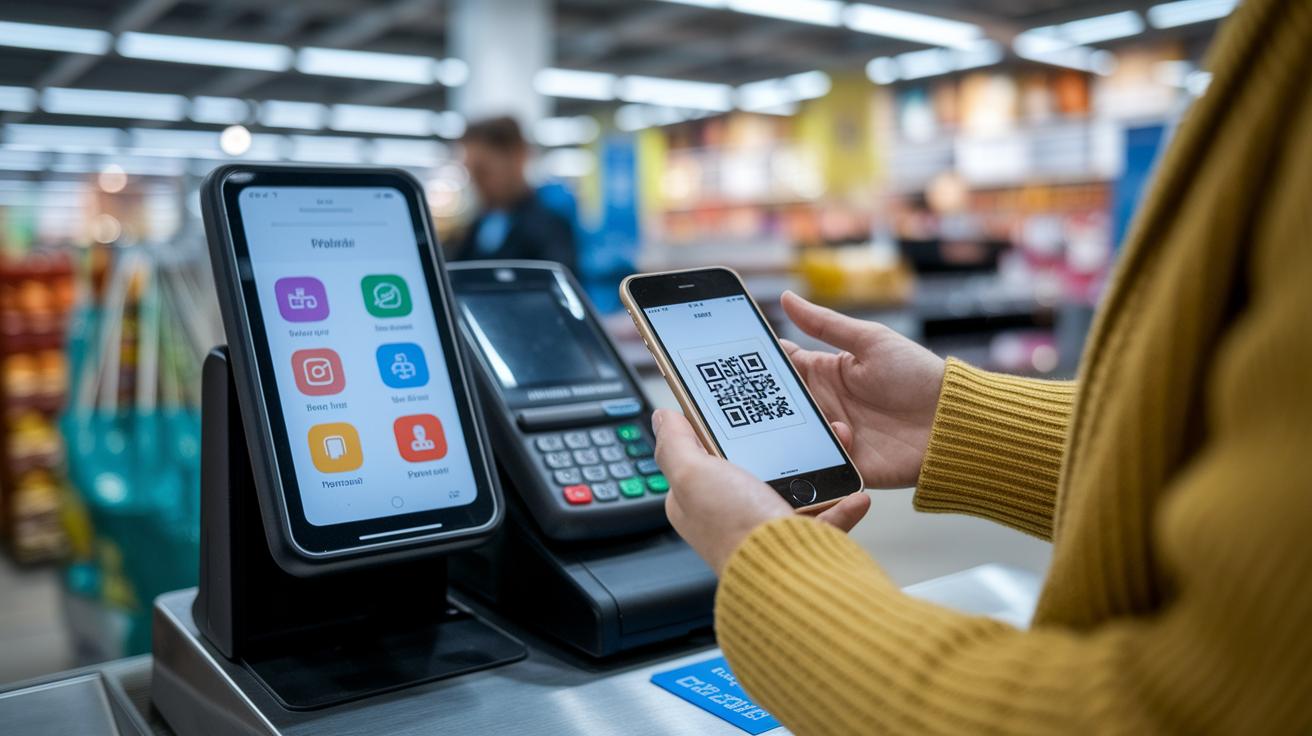
Shopify’s checkout system is setting a new standard for smooth and painless transactions. It’s designed with everyday shoppers in mind, integrating mobile wallets, QR codes, NFC contactless payments, and even Buy Now, Pay Later options. This means you can often finish your purchase in just seconds, no more waiting around.
When merchants switch to these smart systems, they see clear benefits. For instance, you might notice that carts get abandoned less often and transaction security gets a real boost. Recent data even shows that mobile wallet transactions can cut checkout time by almost half compared to more traditional methods. This simpler approach helps both retailers and customers alike by slashing wait times and cutting down on manual errors.
Retailers also enjoy the perks of having payment gateways that work seamlessly across devices and sales channels. These advanced technologies not only keep payments running smoothly but also work hard to secure every transaction. To put it simply, it’s like having an efficient system behind the scenes that manages everything so you can focus on your purchase.
Merchants benefit from a checkout process that really minimizes interruptions while offering a variety of payment options. The outcome? Happier customers and the flexibility to handle different buying preferences in today’s digital market.
| Benefit | Impact |
|---|---|
| Lower cart abandonment rates | Smoother shopping experience |
| Enhanced security measures | Safer transactions |
| Flexibility with multiple payment options | More customer choices |
This new wave in payment technology is really changing the way we shop, making each transaction quicker and more secure.
Automated Shopping Solutions and Robotics
Automated technology is quickly changing the retail scene. Stores without cashiers, complete with self-service kiosks, let shoppers pay quickly and skip long lines. This setup not only speeds things up but also lets retailers put skilled staff on bigger tasks while routine work is handled by machines.
Tools like Shopify Flow quietly process orders in the background, cutting labor expenses and saving valuable time. Sensors and smart shelves keep inventory updated in real time, so stock details are always spot-on. Imagine a shop where a simple sensor alert gives staff a heads-up before an item runs out, keeping everyone, from the floor team to the back office, in sync.
Robots are also reworking how stores operate. They help sort products and manage stock, tightening supply chains and boosting coordination. Self-service stations let customers reorder items or check prices with ease, smoothing out the shopping experience for everyone. All these improvements reduce errors and drive up efficiency. Today, technology supports a fast, low-touch shopping environment that feels both responsive and reliable.
In short, automation is changing the way we shop, and it’s here to stay.
Mobile Commerce Advancements: Shopping on the Move

Shopify's mobile-first editor is changing the game for businesses on the move. Merchants now have an easy way to build stores that look great on any smartphone. The responsive themes offer a smooth and consistent experience, letting shoppers browse and buy without any hitches, even when they're using in-app purchase features. Imagine setting up a store on your phone that adjusts perfectly, just as easily on a tablet as on a desktop.
Social commerce is also taking off. Businesses are now connecting directly with customers on popular social platforms, which feels like having a casual chat with a friend about new finds. With mobile wallet integration, payments become quick and secure, every transaction is just a tap away. Plus, engagement tools like Shopify Inbox and Shopify Email help drive repeat purchases by sending timely, personalized messages to your device. In fact, this smart mix of mobile commerce and social selling makes shopping on the go more engaging and efficient than ever before.
Interactive Shopping Assistants and Virtual Concierges
Interactive shopping assistants are reshaping how we experience retail. Imagine being able to search for products, check prices, and complete purchases simply by talking to your device. One customer even noted that using voice commands not only slashed checkout times but also made shopping feel like a friendly conversation.
Beyond voice control, AI-powered retail concierge services, think chatbots and virtual shopping guides, are proving to be real lifesavers. These digital helpers answer questions in real time and guide you through tricky product selections. Many shoppers now chat with these virtual assistants on retail sites at any hour, ensuring that support is always just a message away.
Thanks to integration with web chat and voice platforms, these smart assistants offer a smooth experience across all digital channels. They quietly handle everything from managing orders to updating shipment statuses and quickly solving issues. Retailers report that these tools not only raise customer satisfaction but also free up staff to address more complex needs. This perfect mix of AI guidance and human-like warmth is setting a brand-new standard for shopping in today’s fast-paced market.
Augmented and Virtual Try-On Experiences in Shopping Technology

AR and VR are shaking up the way we shop. Picture a smart mirror fitted with a camera that lets you try different outfits without the hassle of a fitting room. It’s as if you’re seeing your reflection dressed in a variety of styles, making it super simple to decide what fits best.
Imagine using an app on your phone or computer to see how a new sofa fits into your living room. One quick scan, and suddenly, you know exactly how that piece of furniture will look in your own space. Before AR, you could only dream of this clarity, but now technology gives you a clear picture right away.
These new shopping tools blend digital ease with the feel of a traditional store. They mix virtual elements right into your real-world shopping experience, helping you feel more sure about your choices. This smart approach not only makes shopping more enjoyable but also helps reduce unnecessary returns.
As more people embrace these innovations, retailers are finding fresh ways to connect with customers who love digital experiences. It’s a win-win, shoppers get a more personalized look at products, and stores see happier, more confident buyers.
IoT Retail Integration and Smart Store Ecosystems
Modern retail spaces are changing fast thanks to IoT retail integration. Smart sensors, connected devices, and vibrant digital displays work together to create an engaging shopping experience. Imagine sensors that track foot traffic, monitor how long shoppers linger, and even pick up on subtle emotional cues. If a product display doesn’t attract enough attention, staff can be alerted to adjust the layout on the spot.
Innovations like smart shelves are at the forefront of this change. These systems use weight sensors, RFID technology, and digital displays to keep inventory and pricing up to date automatically. Picture a sensor alert that instantly updates a nearby screen with the latest deals and stock levels, ensuring shoppers always get the most current information.
Coupled with digital signage and LED walls, advanced retail sensors help build a cohesive shopping environment. These connected displays can tailor promotions to suit different times of day or varying levels of foot traffic. With real-time data flowing through the system, retailers can quickly refine their messaging, making the shopping experience both dynamic and personalized.
Overall, this integrated approach transforms in-store engagement, providing retailers with clear insights to improve operations and build a deeper connection with customers.
AI-Powered Analytics and Data-Driven Shopping Insights

Shopify’s analytics tools help retailers make sense of their data with ease. They offer straightforward sales dashboards, customer behavior reports, and inventory forecasts that work together to reveal useful shopping patterns. Imagine a dashboard that shows you the peak times for shopping and even suggests when to restock. It’s like having a smart assistant guiding you through your day.
Advanced e-commerce systems take things further by spotting trends early. They look at your customers' past purchases and browsing habits to offer personalized product recommendations that feel just right. It’s as if the system remembers what you like and serves up a tailored experience every time you visit.
These tools do more than just track sales. They help stores manage stock levels efficiently, reducing costs and ensuring you never face empty shelves. Think of it as a system that constantly adapts to market demands, keeping your product mix fresh and appealing.
Relying on these intelligent solutions means happier customers and smoother operations. In today’s ever-changing market, having clear, data-driven insights is key to staying ahead of the competition and growing your business.
Final Words
In the action of shopping technology evolution, the article mapped out key trends from unified commerce to AI-driven insights, smart checkouts, automated solutions, mobile innovations, interactive assistants, AR try-ons, IoT integrations, and data-driven analytics. Each segment emphasized how digital retail innovation reshapes customer engagement and operational efficiency. The discussion spotlighted how these advancements equip modern merchants with the tools to make informed decisions. It’s a great time to embrace these changes and transform retail experiences with shopping technology at the center.
FAQ
What are some examples of shopping technology?
Shopping technology includes innovations like AI-powered customer experiences, automated checkout systems, mobile apps, IoT sensors, augmented reality try-on tools, and integrated payment options that streamline both online and in-store shopping.
What companies provide shopping technology solutions?
Companies in this space deliver end-to-end systems that combine software and hardware for digital retail. They offer platforms that integrate advanced analytics, mobile commerce tools, smart checkout systems, and other solutions for seamless customer interactions.
What in-store technology examples are widely used in retail?
In-store technology includes cashierless checkouts, interactive self-service kiosks, smart shelves with digital displays, and IoT sensors. These tools help improve inventory tracking and create smooth, engaging customer experiences.
What smart retail examples and technologies exist for modern shops?
Smart retail technology features contactless payments, mobile wallet integrations, interactive shopping assistants, and data-driven merchandising systems. These support personalized experiences and streamlined operations across physical and online stores.
What is the future of shopping and what insights do experts like BCG share?
The future of shopping involves unified commerce platforms, automated systems, and data-driven insights. Experts, including BCG, emphasize the importance of creating customer-first ecosystems and leveraging technology to boost efficiency and engagement.
How is technology used in shopping today?
Technology simplifies shopping by enabling secure digital payments, personalized mobile experiences, real-time inventory management, and immersive AR tools. This integration improves convenience and supports both online and brick-and-mortar retail environments.
What are the ten modern technologies shaping retail?
Modern retail is shaped by technologies such as AI analytics, mobile commerce apps, contactless payment systems, augmented reality, IoT devices for smart shelves, automation tools, digital signage, unified commerce platforms, cloud-based services, and enhanced cybersecurity measures.
What are the six types of technology used in retail environments?
Retail environments use digital payment systems, automation solutions, mobile commerce platforms, AI-powered data analytics, IoT devices, and immersive AR/VR experiences. Each type helps optimize operations and enhance customer interactions.