

Ever wondered if everyday objects could whisper their secrets? With RFID, that’s exactly what happens. Imagine a tiny tag exchanging quick details with a reader in just a blink, no touch needed. This clever tech speeds up transactions, improves accuracy, and eases the workload in busy places like stores and hospitals.
Let’s break it down. RFID works like a fast, subtle conversation between devices, making everyday tasks smoother. We’ll dive into how it operates, why it’s so beneficial, and how industries are using it to create smarter, more efficient operations. Intriguing, right?
RFID Technology Fundamentals: How It Works
RFID uses radio waves to identify and track items automatically. Think of it as a trio working together: an antenna sends and receives radio signals, a reader manages the data, and a tag holds the stored info on a tiny microchip with its own antenna. This neat setup lets you exchange information without touching the item or needing a direct line-of-sight.
Here's the scoop on how it works: the reader sends out a radio signal that gives the tag a little burst of energy. Once activated, the tag converts some of that energy to send its stored data back to the reader. It’s like a quick, wireless chat that replaces the old manual methods used in places like retail, manufacturing, and healthcare.
- Extended read range: Scans data from farther away than traditional barcodes.
- Greater data capacity: Stores more detailed information on each tag.
- Multi-tag reading: Reads several tags at once, speeding everything up.
- Enhanced durability: Built tough to handle rough conditions and heavy use.
- Improved security: Uses encryption to keep data safe as it travels.
In short, RFID transforms the way we track and manage items. It makes operations smoother, more secure, and faster, giving industries a powerful tool to boost productivity and cut back on manual work. Pretty neat, right?
Core Components and System Architecture of RFID
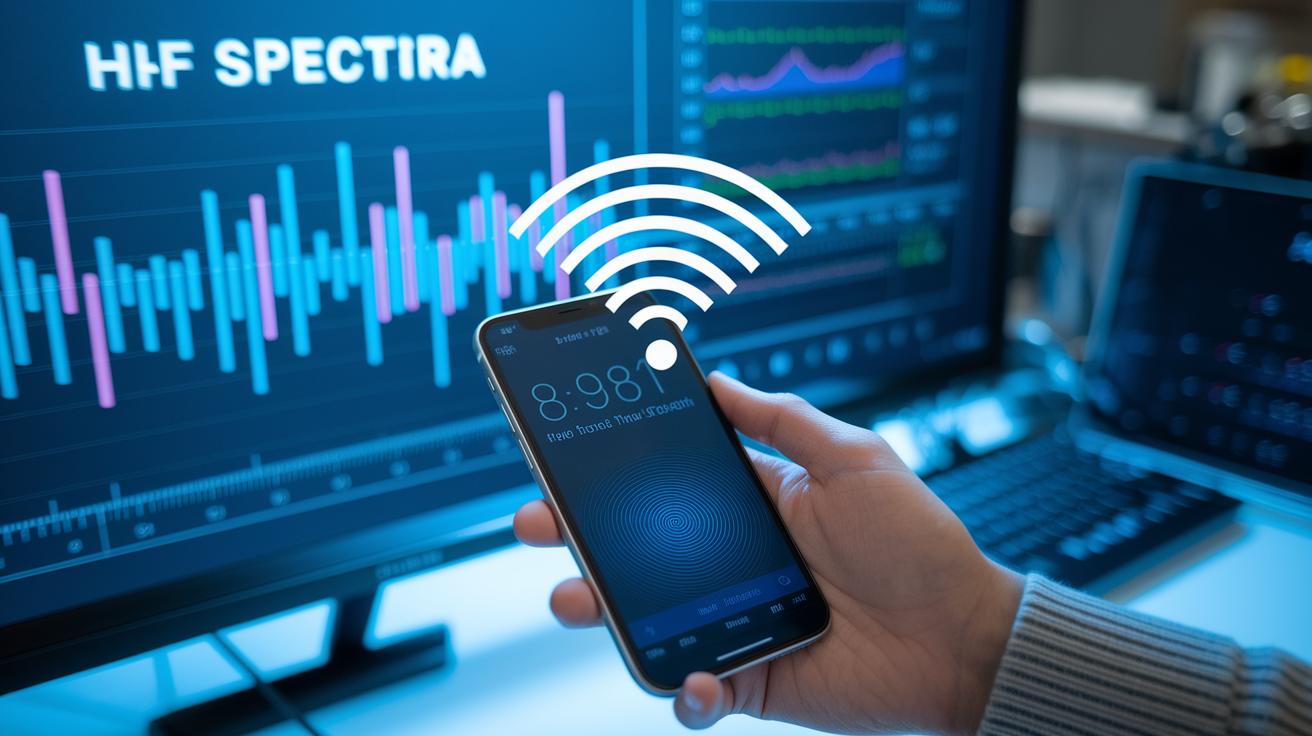
At the heart of RFID systems is a reader teamed up with smart scanning hardware. This reader, along with its built-in antenna, creates an RF field that powers tags, whether they’re passive, drawing energy from the field, or active, running on their own batteries. The whole process involves a careful look at frequency spectrums and continuous tweaks to the circuit designs, ensuring the system works smoothly even when there’s a lot of background noise. These readers are built to work on different frequency bands, like UHF and HF, which means they can adapt to various applications as digital tags exchange data without a hitch.
Right under the surface, every RFID tag contains an inlay that combines a microchip with a finely tuned antenna. This thoughtful design determines how far the tag can be read and boosts its overall reliability. Recent breakthroughs include using high-gain antennas and low-power circuits, which help extend the tag’s life while keeping data flowing efficiently. These improvements in antenna and circuit design make sure that tracking in real time and capturing data remain on point. All together, these elements let RFID tags perform reliably in a range of industrial settings, spurring innovation by making asset management simpler and operations more accurate.
Passive vs Active RFID Tags: Types and Use Cases
RFID tags come in two flavors, passive and active. Passive tags gather energy from the reader’s signal, making them an affordable option for keeping track of large groups of items, usually within about 25 meters. Active tags, however, have their own batteries, which lets them send signals on their own over a span of up to 100 meters. This extra reach makes them a great fit for tracking high-value assets. Both types use standard HF/UHF protocols and include basic encryption to keep data transfers secure. Essentially, the choice between them comes down to power source, read range, and maintenance needs.
To break it down further, here’s a quick comparison:
| Aspect | Passive Tags | Active Tags |
|---|---|---|
| Read Range | Up to 25 meters | Up to 100 meters |
| Power Source | Powered by the reader’s signal | Powered by an onboard battery |
| Cost | More cost-effective for bulk tracking | Higher cost, ideal for valuable items |
| Data Capacity | Provides reliable basic capacity | Often offers greater memory and extra features |
| Maintenance | Minimal upkeep without a battery | Requires battery monitoring and replacement |
| Best Use Cases | Retail inventory and mass tracking | Long-range, continuous monitoring of high-value assets |
Choosing between passive and active RFID tags really depends on what you need. If cost and minimal maintenance are top priorities, passive tags are the way to go. But if you need a longer read range and more features, active tags could be your best bet. It’s all about matching the technology to your specific requirements.
RFID in Inventory Management and Supply Chain Optimization
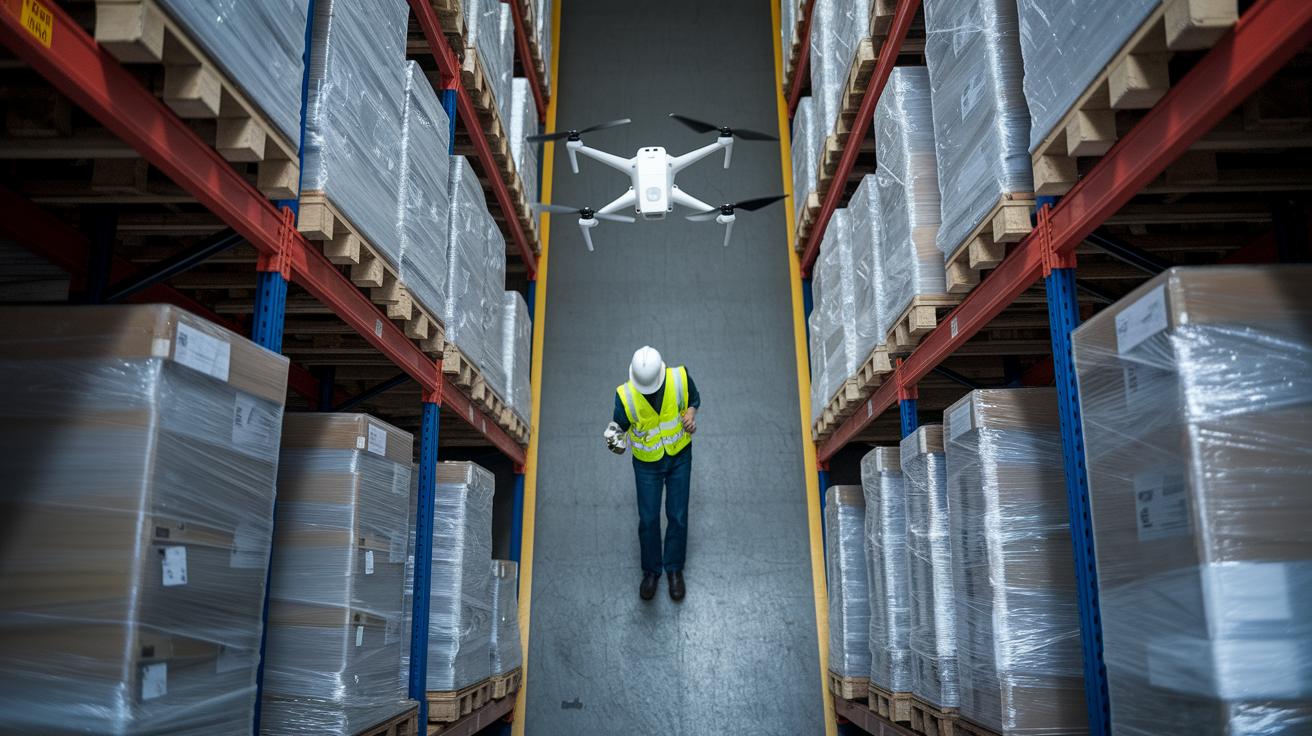
RFID is really shaking up the way inventory audits are done. With real-time updates, businesses can dodge stockouts and prevent overstocking much more easily. In many warehouses, RFID-powered systems have replaced the old, tiresome manual counts. This smart tech shows retailers and logistics managers exactly what the inventory levels should be so they can fix issues in a snap. And with tools like handheld scanners and even drones, picking stock has never been quicker or more accurate.
Cloud integration is a big deal in modern RFID systems. Cloud-connected readers collect data into one simple dashboard, making it a breeze for companies to keep an eye on operations and plan for restocking. These dashboards highlight neat features like automated audits that monitor product movement non-stop. They also streamline logistics by pulling data from multiple warehouses at once and sending alerts if supply issues arise. It’s all about making the process smoother and more efficient.
RFID isn’t just a neat tech upgrade, it also makes financial sense. Experts project that the RFID industry could hit nearly $19 billion by 2025, with growth that shows no sign of slowing. By lowering operating costs and boosting accuracy in order fulfillment, RFID systems give a clear edge to supply chain operations. And as more stores adopt models like buy online, pick up in-store, RFID helps deliver a fast return on investment through better inventory management and quicker order processing.
Retail Management Applications of RFID Technology
Across North America, retailers are embracing RFID as a smart tool to keep track of their inventory and better serve customers. Nearly every store now uses this technology to get accurate stock counts, meaning shelves are always arranged neatly. Retailers even generate store heatmaps that show where the action is, or where a little extra attention might help.
Modern contactless data exchange has also changed the way payments work, making checkouts smooth and cutting down on long wait times. Faster buy online, pick-up in-store (BOPIS) fulfillment means that shopping is simpler and operations run like clockwork. And don’t forget the security boost: encrypted RFID tags work hard to keep theft in check while monitoring stock levels so items are restocked as needed. This isn’t just about improving back-end processes; it’s about creating smarter store layouts and more engaging customer experiences.
- Baroque Japan: Uses RFID to simplify inventory management across many outlets.
- Ralph Lauren: Brings RFID into virtual fitting rooms to keep stock right where it needs to be.
- Advanced Apparels: Relies on RFID for quick, accurate product searches in stores.
- Unilever: Taps into RFID for mobile services that deliver products on demand.
These innovations are really setting the stage for smoother shopping experiences and a more efficient retail world.
Healthcare and Medical Asset Tracking with RFID

Hospitals now lean on RFID wristbands to track patients in real time, making sure the right medicine gets to the right person without a hitch. This smart tech uses secure, wireless data transfer so that rooms can be assigned quickly and patient flow stays smooth. It really helps cut down on those pesky errors we might see with manual checks.
And there’s more. Hospitals are also using RFID to keep a careful eye on high-value equipment. When RFID tags on devices update maintenance schedules automatically and log usage histories, it means vital diagnostic machines and life-support systems get the attention they need, right when they need it. In simple terms, it's like having a constant, reliable check-up for your tech.
Of course, keeping patient information safe is a big deal too. The latest RFID systems pack in robust data encryption and strict access controls, which means sensitive health data stays secure and meets all compliance standards. With RFID, hospitals build a system that's not only smart and efficient but also deeply committed to protecting every bit of patient info.
Advanced Innovations and Future Trends in RFID Technology
Recent advances in RF chip design have given life to ultra-thin printed tags. These tags combine temperature and moisture sensors with mini solar cells, so they can capture data instantly while drawing energy from the environment. Picture a label on a perishable item that keeps a real-time watch on temperature changes, all powered by ambient light. This clear step forward makes asset management considerably smarter. Meanwhile, improved antenna and inlay designs now extend the distance at which tags can be read, even in the toughest conditions.
At the same time, smart chip engineering is undergoing its own exciting evolution. With increased memory onboard, these tags now process data right there on the spot, effectively transforming them into tiny, portable data hubs. This upgrade not only boosts accuracy but also allows tags to securely store larger amounts of encrypted data. Think of them as mini computers attached to your products, always active and ready to relay vital information without needing extra infrastructure.
Linking RFID with the Internet of Things and cloud-based data platforms is picking up serious momentum. Modern cloud analytics systems can process millions of tag reads, delivering smooth, real-time insights into store operations and supply chain statuses. This kind of connectivity lays the groundwork for more agile and responsive business operations across the board.
Market forecasts show RFID technology could reach a value of about $26.66 billion by 2032, with 42% of retailers gearing up to invest in further enhancements. This surge is set to transform industries with systems that are not only interconnected but also more efficient and intelligently designed.
Implementation Best Practices, Challenges, and Compliance in RFID Deployments
Start by taking a careful look at your facility. Walk through the space to check the layout, review available connectivity options, and pinpoint what your RFID application really needs. Notice the spots that need constant coverage and any areas where interference might be a problem.
Next, run a small pilot test. Try the system in one section first to see how it performs, how easily it integrates, and what adjustments might be needed. This trial run is an essential step that helps you fine-tune everything before a full rollout.
Then, set up your security measures with care. Use encryption, rotate your codes regularly, and keep a strict check on who can access the system. These simple precautions help guard against risks like tag cloning and unwanted data access.
Finally, make sure your team is well-prepared. Train your staff thoroughly on how to operate, troubleshoot, and maintain the RFID system. When everyone understands the basics, the deployment becomes smoother and more manageable.
It’s important to know that deploying RFID systems can be challenging, especially when trying to mix new technology with older, existing systems. Old equipment might not be ready for modern RFID hardware, which means you could need extensive updates and smart planning. Companies often need to upgrade outdated devices and adjust workflows to make the most of RFID’s benefits. It’s always wise to run a clear cost analysis to ensure that the investment truly boosts efficiency and cuts down on manual errors.
Compliance adds another layer of complexity. The design and upkeep of RFID systems have to meet strict regulatory standards and address data privacy concerns. For example, using encryption and keeping software updated are crucial steps to protect against fears like cloning or skimming. At the same time, environmental rules, like those in the EU regarding tag disposal, mean that you must embrace sustainable practices from production to end-of-life management. Balancing these technical challenges with compliance requirements is key to building a sturdy RFID solution that not only meets business needs but also keeps data secure and respects the environment.
RFID Case Studies and Adoption Insights Across Industries
RFID technology helps businesses streamline their operations in a very tangible way. Take Baroque Japan’s use of RFID in retail or Ralph Lauren’s virtual fitting rooms, for example. More and more companies in North America are adopting RFID, with nearly 93% of retailers on board. This adoption has led to a 30% drop in stock takes and a 20% decrease in stockouts, making inventory management smoother and more reliable.
| Company | Industry | Application | Impact |
|---|---|---|---|
| Baroque Japan | Retail | Inventory Management | Efficient operations across 150 stores |
| Ralph Lauren | Fashion | Virtual Fitting Rooms | Elevated customer engagement |
| Advanced Apparels | Apparel | Stock Locator System | Accelerated stock counts |
| Unilever | Consumer Goods | RFID-Tracked Ice Cream Shop | Enhanced on-demand service |
Overall, RFID doesn’t just boost inventory precision, it also upgrades the way businesses interact with their customers. This innovation is clearly playing a key role in modern retail and beyond.
Final Words
In the action, we explored how rfid technology works, from its core components to its diverse applications in retail, inventory controls, healthcare, and beyond. We witnessed hardware details, compared tag types, and examined practical deployments step-by-step.
The post highlighted advantages like extended range, secure data transfer, and improved operational efficiency. Every section connected data-driven insights to real-world examples, giving a clear picture for professionals.
Stay positive and use these insights to sharpen your strategies in this dynamic field.
FAQ
What does RFID technology for inventory management do?
RFID technology for inventory management uses radio waves to automatically identify items, making stock tracking more accurate and streamlining warehouse operations.
What are some RFID examples?
RFID examples include patient wristbands in healthcare, tagged retail products for stock counts, and asset tracking in supply chains that improve operational efficiency.
What is an RFID tag?
An RFID tag contains a microchip and an antenna, storing data that communicates with a reader to track and identify items securely without direct contact.
What is RFID used for and what are its applications?
RFID is used for tracking inventory, monitoring assets in healthcare, managing retail stock, and automating supply chains, with applications extending to security, efficiency, and real-time data transfer.
What is an RFID technology wallet?
An RFID technology wallet incorporates special materials to block unauthorized scanning of credit cards, helping protect your sensitive information during contactless transactions.
How does RFID work?
RFID works by using a reader to emit radio waves that activate a tag’s stored data, allowing for wireless and secure information transfer without requiring direct line-of-sight.
What is the full form of RFID?
The full form of RFID is Radio Frequency Identification, a method that uses radio waves to automatically identify and track objects through embedded tags.
Does my credit card have RFID?
Many modern credit cards include RFID chips for contactless payments; you can verify your card’s features by checking its design or consulting with your bank.
Why is RFID controversial?
RFID is controversial due to privacy concerns and potential data security risks, as unauthorized scanning may occur without proper safeguards in place.
Is RFID safe for the body?
RFID is generally safe for the body since it operates with low-power radio frequencies that do not pose any known health risks under normal usage conditions.
What are the three types of RFID?
The three types of RFID are passive, active, and semi-passive tags, differing in power sources, read ranges, and best suited for various tracking and identification needs.