
Ever wonder if boosting your profits means going digital or sticking to a traditional store front? Digital shops are booming, yet brick-and-mortar stores still hold their own. It's a friendly showdown between the ease of online shopping and the warm, personal touch of in-person service. Studies reveal that many customers start their journey online before visiting a shop.
Next, we break down the basics, how you take payments, what it costs to get started, and how fast you can grow. This clear look at the facts helps you decide which route suits your business best.
Ecommerce vs Retail: Side-by-Side Comparison of Key Metrics

In today's fast-moving market, it pays off to know the real differences between ecommerce and retail if you’re aiming to boost profits. Ecommerce and retail each bring their own set of benefits that can make a big impact on revenue and customer happiness. Ecommerce has reshaped buying by using digital payments and slick online platforms, while traditional retail thrives on the charm of face-to-face service and physical checkout systems. Interestingly, studies show that 42 percent of U.S. shoppers purchase online, and 14 percent check out products online before visiting a store.
When you break down factors like how transactions are handled, startup expenses, and growth potential, you get a clear picture to help decide which route fits your business best. Ecommerce, for example, has seen its share of retail sales jump from 4 percent to 15 percent over the last decade – nearly $1.4 trillion in sales – which is pretty impressive compared to the steady, localized focus of brick-and-mortar stores. These data points highlight the friendly competition between digital and traditional channels, guiding businesses to pick strategies that match their strengths and meet customer expectations.
| Metric | Ecommerce | Retail |
|---|---|---|
| Transaction Mode | Digital payments through online platforms | Face-to-face point-of-sale systems |
| Startup Costs | Lower investment in technology and marketing | Higher costs due to real estate and staffing |
| Scalability | Broad global reach thanks to automation | Limited expansion because of physical location |
| Customer Reach | Accessible to a diverse online audience | Centered on local, walk-in customers |
| Data Integration | Centralized databases for products and promotions | Customized in-store experiences |
- Ecommerce streamlines processes with quick, automated systems.
- Retail shines by offering a personalized, hands-on customer service experience.
- Ecommerce opens the door to a much larger, global market.
- Retail delivers a concrete, local brand connection.
- Ecommerce uses centralized data to fine-tune targeted promotions.
ecommerce vs retail: Profit Sparks Growth
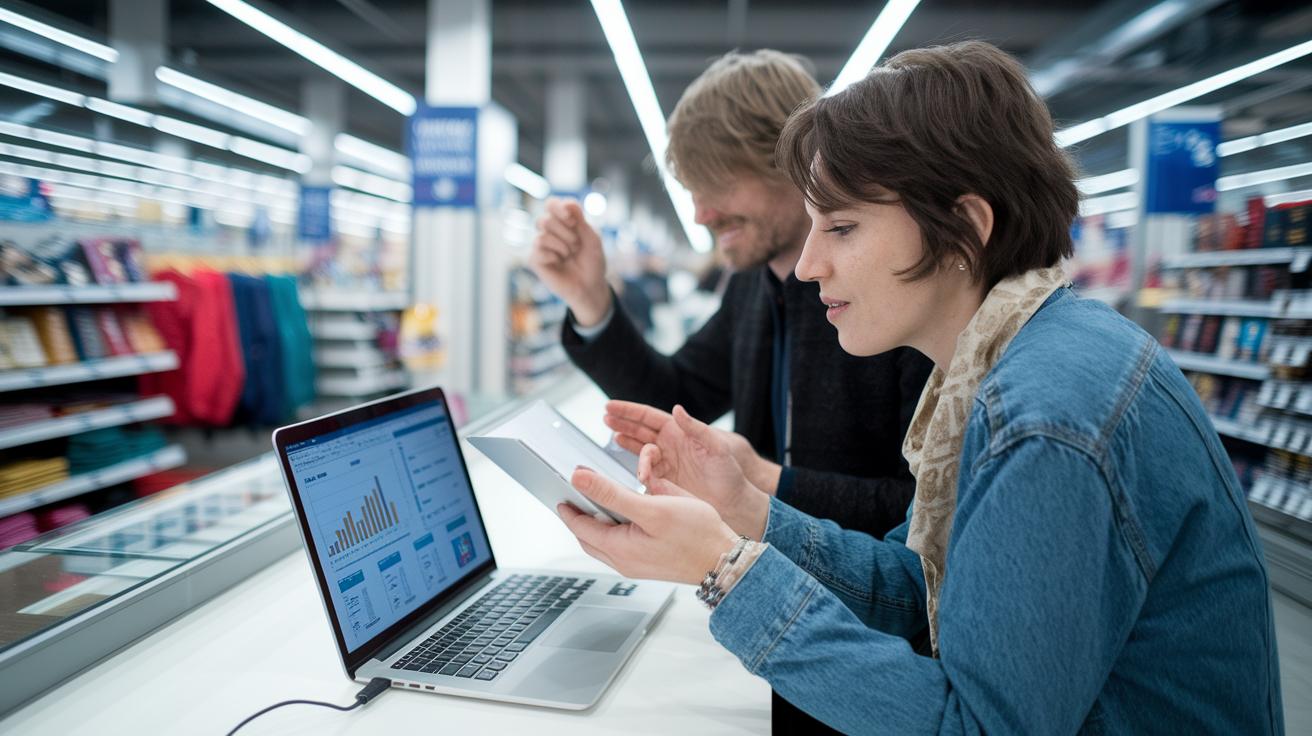
Retail businesses need steady fixed costs. They invest in property, store displays, and building maintenance. Plus, they must create a welcoming ambience, and staff salaries add up, along with regular bills like rent and insurance that stay constant no matter the sales.
Ecommerce, on the other hand, builds its fixed costs around digital assets. You spend money on a good website, subscribe to an online platform, secure a domain name, and kick off digital marketing campaigns. All these steps help you set up an effective online store without a physical presence, lowering the barrier for new sellers.
Variable costs also work differently. Traditional retail often sees extra charges from utility bills, in-store promo events, and unexpected maintenance when foot traffic increases. On the flip side, ecommerce deals with costs like web hosting fees, transaction fees tied to sales, and advertising budgets that grow with online engagement.
Looking at these cost elements shows clear financial rhythms for each model. Retail requires big upfront investments that remain steady, while ecommerce offers flexible monthly costs that can match performance. This difference helps businesses choose the model that fits best with their financial strategy and growth goals.
Consumer Behavior in Ecommerce vs Retail Shopping

Modern shopping habits show a clear gap between buying online and shopping in-store. In 2023, 58% of millennials chose online shopping because it's fast and convenient. Imagine clicking “Buy Now” during lunch and getting an order confirmation within minutes, that simple ease of use really drives the digital shift.
Mobile technology is changing how we shop, too. Gen Z, for example, makes about 30% more mobile purchases than older groups thanks to easy-to-use interfaces that let you tap and swipe right to complete a purchase. And about 14% of shoppers now check product reviews online before stepping into a store, blending digital research with offline buying.
Consumer expectations are evolving with these trends. Today’s shoppers want personalized, real-time experiences that make them feel understood and valued. Picture receiving a timely flash sale notification on your phone that nudges you to buy immediately. Whether you’re on a laptop or a mobile device, digital insights now play a huge role in speeding up your buying decisions.
Operational Complexities: Ecommerce Fulfillment vs Retail Logistics
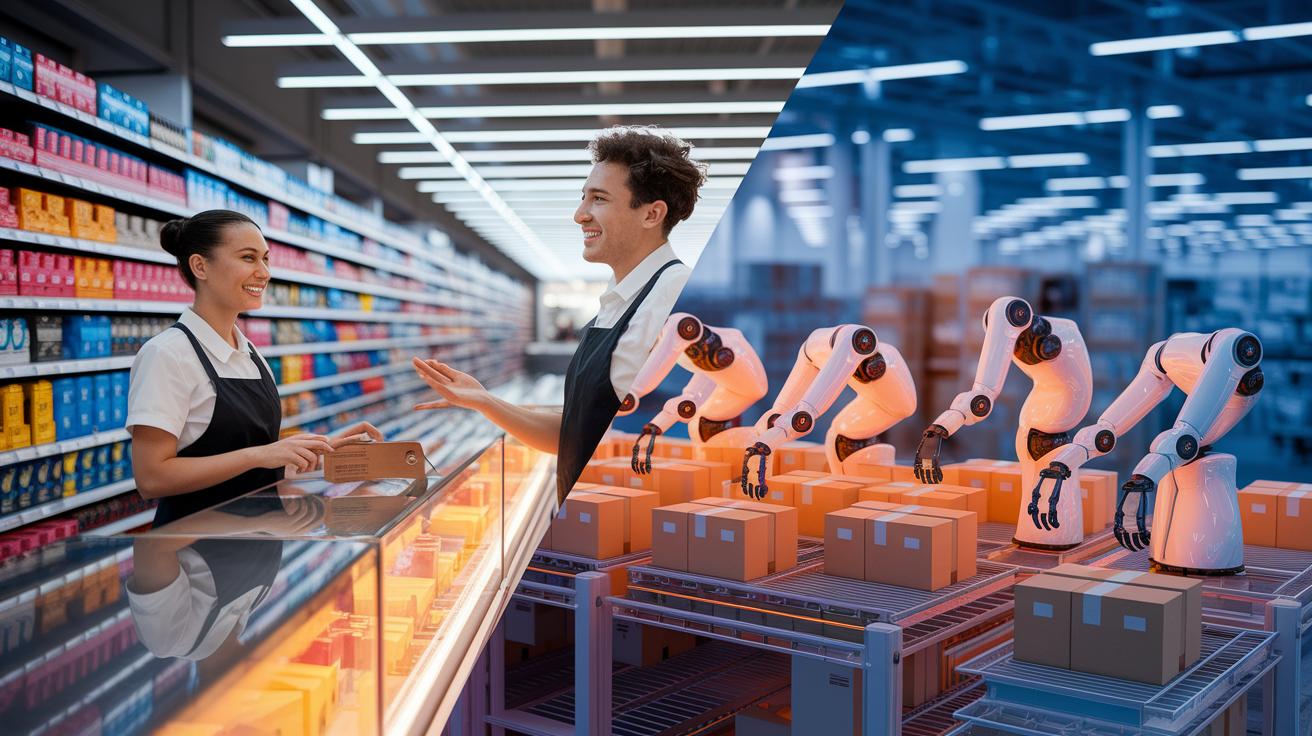
Ecommerce fulfillment leans heavily on automation. Orders move through digital systems that handle everything from confirming the order to printing shipping labels. Think of it as a high-tech assembly line where warehouse management tracks inventory in real time and partnerships with carriers make shipping a breeze. This setup can boost inventory turnover by about 30 percent with centralized warehousing and smooth drop-shipping methods.
Retail logistics, however, depends largely on in-person staff and manual tasks. Imagine a bustling store where employees restock shelves, manage checkouts, and handle cash registers manually. This hands-on approach, while reliable, means the process is slower and more prone to mistakes compared to its digital counterpart.
When you compare the two, the differences become clear. Ecommerce thrives on swift, automated workflows that speed up order processing and inventory management. On the flip side, retail logistics requires continuous human attention to keep operations running smoothly, which sometimes slows things down. Both models have their own challenges and benefits that ultimately affect how happy customers are with their shopping experiences.
Market Trends and Growth Statistics in Ecommerce vs Retail

Historical records clearly show that digital commerce is on the rise. Consider this: U.S. online sales now make up 15% of total retail, a big leap from just 4% ten years ago. Around early 2020, we even saw a 14% boost in annual growth, proving that digital shopping is truly gaining ground.
Looking ahead to 2024, experts expect online sales to grow by 12% on a year-to-year basis, while brick-and-mortar stores might only see a 5% uptick. This signals that shoppers are valuing the speed and ease of online buying more than ever before. Some recent studies even reveal that nearly half of all buyers are choosing to complete their entire purchase process online.
Meanwhile, the way we shop is evolving. Consumers often research products online before making a purchase in-store, blending digital research with physical buying. This trend is pushing online platforms to become central hubs in sales and marketing strategies, making them key players in today’s retail landscape.
Omnichannel Integration: Blending Ecommerce vs Retail Experiences
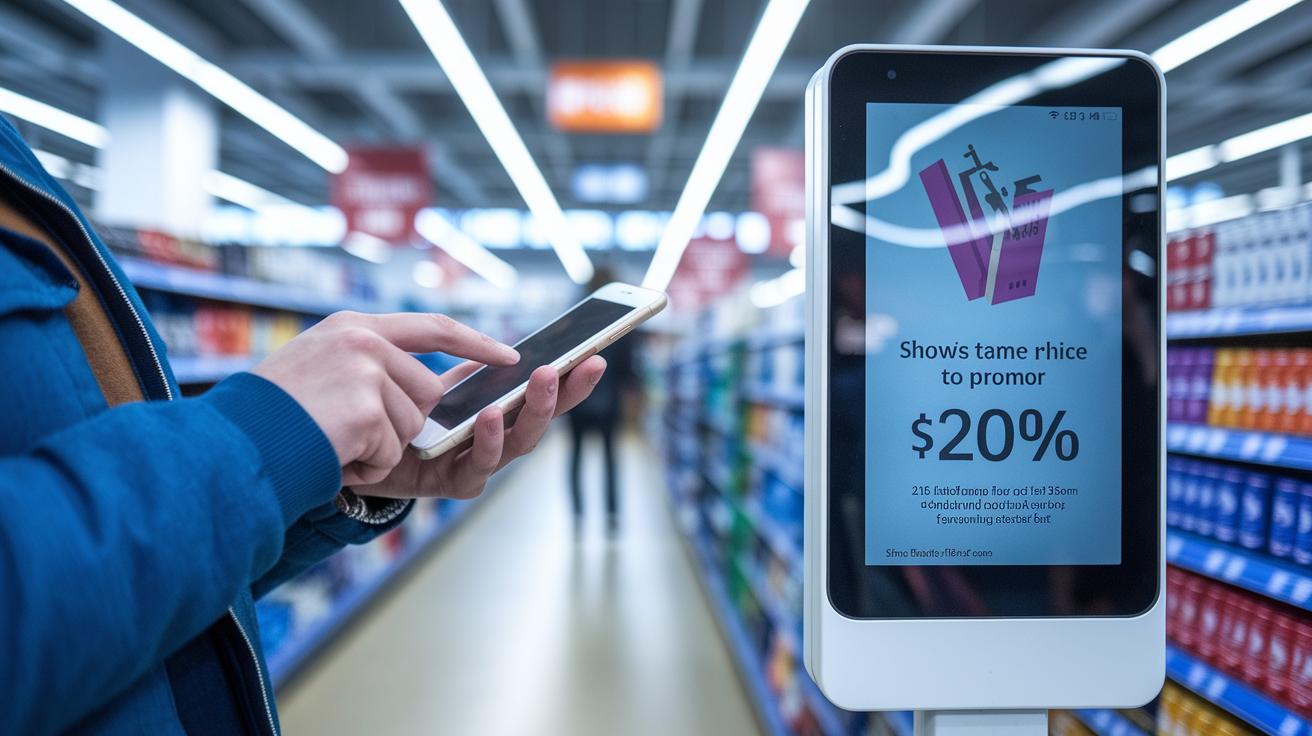
Companies that use omnichannel strategies create a smoother shopping journey that keeps customers coming back. Mixing in-store experiences with online shopping means that pricing, promotions, and product details feel consistent no matter where you shop. This unified approach can boost customer retention by about 8 percent, and with 56 percent of shoppers expecting a seamless experience, it’s clear that consistency really pays off. Plus, businesses see average order values rise by 10 percent when their messaging and interactions are perfectly aligned.
Bringing together digital and physical channels transforms one-off shopping trips into a connected adventure. Integrated platforms help simplify transactions and keep inventory data accurate across every channel. Think of it as a central hub that supports both online and offline efforts, making it easier for companies to respond quickly to shifting consumer behavior. From initial product research right through to the final purchase, every step feels carefully coordinated and accessible.
- Maintain a centralized product and pricing database
- Synchronize inventory data in real time across channels
- Leverage customer insights from both digital and physical touchpoints
- Standardize branding and promotions for a cohesive experience
Key Technologies for Omnichannel Coordination
CRM systems collect and organize customer interactions, making it simpler for businesses to tailor offers and communications. Inventory-sync platforms keep stock levels updated across channels, so there’s no mismatch between online and in-store products. Mobile POS solutions let you handle transactions on the spot, bridging the gap between digital orders and face-to-face sales. And data analytics tools offer actionable insights into shopping trends, making it easier to adjust promotions and improve the overall customer journey.
Strategic Considerations for Choosing Ecommerce vs Retail

When you’re deciding between eCommerce and traditional retail, start by taking a good look at your current revenue, your loyal customers, and where you’re putting your money. For many businesses, especially those limited by physical spaces, moving online can save 30–40 percent on things like rent and staffing. This means you can redirect those savings into boosting your tech and marketing efforts. So ask yourself: Can your existing revenue support a digital switch while balancing the risks and rewards?
Next, think about who your customers are and how you spend your resources. Smaller sellers might find that launching an online store helps them react quickly to ever-changing trends in digital shopping. On the other hand, larger retailers often thrive by mixing in-person experiences with the ease of digital shopping, keeping their customers happy in both ways. By matching your investments with what your audience really wants, your digital strategy can do more than just copy traditional methods, it can actually improve the overall customer experience.
And don’t forget about long-term plans. A business with a well-known local brand might benefit from the personal touch that comes with physical retail. Meanwhile, companies aiming for a wider audience could find that digital platforms offer better efficiency and growth opportunities. Weighing these factors, from revenue and customer base to the practical details of running your operations, can help you choose the path that best meets your immediate needs and future goals.
Final Words
In the action, we compared core elements of ecommerce vs retail, outlining cost structures, consumer habits, operational challenges, market growth trends, and omnichannel setups. The analysis highlighted how digital payments and automated fulfillment contrast sharply with the personal touch and logistical nuances of brick-and-mortar. Each section offered clear insights to help businesses fine-tune their strategies and spot new opportunities. Overall, the piece serves as a grounded reminder that staying informed provides a strong edge in today’s dynamic marketplace.
FAQ
What do ecommerce vs retail statistics and market share data reveal?
Ecommerce vs retail statistics indicate that online sales have surged, with ecommerce now capturing a growing market share—jumping from 4% to 15% of U.S. retail—which mirrors a notable shift toward digital purchasing.
What are the pros and cons of ecommerce versus retail?
Ecommerce vs retail pros and cons show that online shopping offers convenience and broader geographic reach, while physical retail provides in-person service and immediate product access, each catering to different consumer preferences.
What examples highlight differences between ecommerce and retail?
Ecommerce vs retail examples demonstrate differences like digital payment systems versus in-person point-of-sale transactions, and online platforms versus brick-and-mortar stores, clarifying how each channel meets unique customer needs.
Which companies operate in retail and ecommerce, and what are Retail Ecommerce Ventures?
Retail and ecommerce companies range from traditional stores with an online presence to digital-first brands, while Retail Ecommerce Ventures is an investment group that helps convert conventional retailers into successful online operations.
What does retail commerce mean?
Retail commerce refers to the exchange of goods and services directly with consumers in physical stores, and it can also include online sales when traditional shops expand their operations to digital channels.
Is Amazon retail or ecommerce?
Amazon primarily functions as an ecommerce platform, selling a vast array of products online, though it has also experimented with physical stores to complement its robust digital marketplace.
What are the 4 types of e-commerce?
The 4 types of e-commerce include business-to-consumer (B2C), business-to-business (B2B), consumer-to-consumer (C2C), and consumer-to-business (C2B), each defining different transaction models between buyers and sellers.
Does e-commerce count as retail?
E-commerce counts as retail because it involves selling products and services directly to consumers, even though transactions occur online instead of in traditional physical stores.
How is e-retailing different from e-commerce?
E-retailing specifically refers to selling products online directly to consumers, whereas e-commerce covers all types of digital transactions, including both retail sales and business-to-business interactions.