

Ever notice how your reviews steer what others choose to buy? The way we shop is changing quickly. People want digital experiences that feel personal yet keep their data safe. Over half of buyers now use their smartphones to research products, and many leave ratings to guide their friends. This post shows that when shoppers pay attention to trends, they make smarter choices. We break down how blending personalization with a dash of caution is reshaping our shopping habits and product views.
Overview of Current Consumer Behavior Trends
Consumers in 2026 are really driving the market by demanding experiences that feel unique to them, all while keeping a close eye on their personal data. Imagine this: 64% of shoppers look for tailored digital experiences, yet only 41% think the benefits are worth the potential privacy risks. It’s a quirky balance where customization and data security have to go together.
Last year, 63% of consumers left ratings or reviews. Out of those, 42% did it to help guide others in their shopping decisions. This shows a strong community spirit among buyers and nudges sellers to be honest and transparent about what they offer.
Mobile devices have become essential in shaping these trends. Nearly half of American shoppers, 46%, now research products using their phones. This shift is part of a larger move toward online shopping, where livestream events raked in USD 50 billion in 2023. And guess what? That figure is expected to jump by 36% by 2026, capturing more than 5% of North American e-commerce sales. Clearly, today’s digital consumers want quick, accessible, and engaging shopping experiences.
Subscription commerce is booming too. The market could hit around USD 1.50 trillion by 2025, growing five times faster than the average S&P 500 company. That kind of growth shows how recurring revenue models are shifting spending habits and pushing companies to innovate constantly.
All these trends point to one big idea: personalization paired with privacy is the way forward. Retailers who can balance these elements and be nimble in their approach will be the ones to watch in this fast-moving digital marketplace.
Cross-Generational Consumer Behavior Trends: Gen Z to Boomers

Consumers from Gen Z to Boomers are reshaping buying habits by blending fresh ideas with time-tested loyalties. Gen Z leads the way, 60% of these young shoppers buy based on a trusted recommendation. They’re even happy to pay a bit more for eco-friendly goods, almost as if a friendly influencer’s tip becomes a personal nod while you scroll through your feed.
Social media use has become nearly universal. About 87% of U.S. adults enjoy these platforms, and while classics like Facebook and Instagram remain popular, newer spaces such as BeReal, Twitch, and TikTok are turning heads, especially among younger buyers. This dynamic shift is pushing brands to rethink how they connect across age groups.
Key consumer insights include:
| Insight | Percentage |
|---|---|
| Products discovered through influencer recommendations | 29% |
| Shoppers contributing ratings and reviews | 42% |
Millennials are all about value and sustainability. They prize authenticity and quickly share both the highlights and hiccups online. Meanwhile, Boomers continue to favor trusted brands, even as they gradually embrace digital channels for research and purchasing.
What’s truly exciting is how these generational preferences mix. The blend of personalized influencer tips and genuine peer reviews is leading to smarter, more confident buying decisions across the board.
Digital Consumer Behavior Trends and AI-Driven Recommendations
AI is reshaping our online shopping experience in exciting and practical ways. Thanks to smart recommendation engines, businesses went from a market worth of USD 2.12 billion in 2020 to an anticipated USD 15.13 billion by 2026. In simple terms, these systems help create a shopping journey that feels like it was designed just for you, suggesting items that truly match your taste. Imagine scrolling through an online store that adjusts its ideas instantly with every click.
Yet, building trust with customers remains a big challenge. Only 39% of shoppers say they believe companies take good care of their data, and many have yet to try AI tools like chatbots. Still, notice how more people are using social search, and businesses are weaving AI into everyday search habits. Mobile shopping is also booming. Think about an app that not only remembers what you liked before but even hints at upcoming trends, it’s a real game changer for how we shop on the go.
| Metric | Value |
|---|---|
| AI Recommendation Market (2020) | USD 2.12 billion |
| Projected Market (2026) | USD 15.13 billion |
| Conversion Rate Increase | Up to 70% |
| Consumer Trust in Data Handling | 39% |
These shifts are paving the way for smarter buying decisions, where technology and personalized experiences make shopping feel more intuitive and friendly, almost like having a personal guide helping you find exactly what you need.
Omnichannel Consumer Behavior Trends in Retail
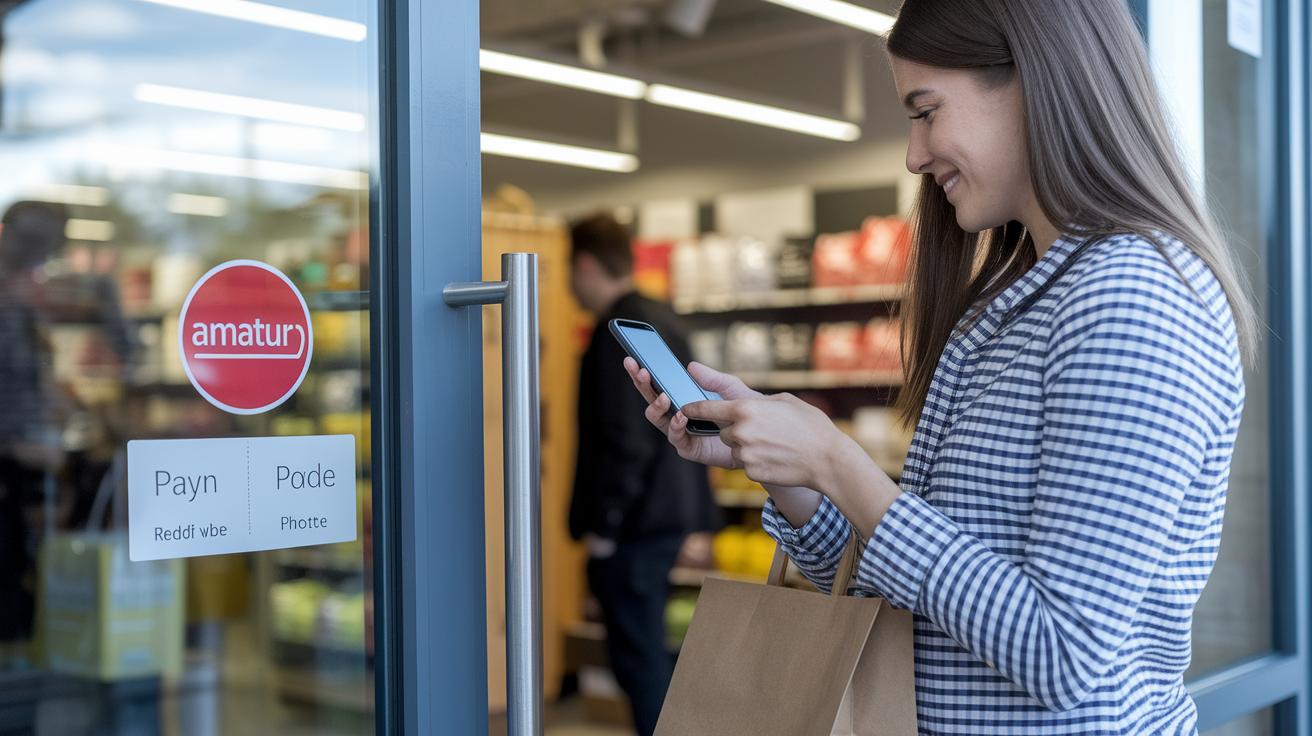
Consumers today crave a shopping experience that moves smoothly between online and in-store. They want to browse on their phone, click through a website, and visit a physical store without any disruptions. Imagine checking out a product on your phone and then walking into a store where it’s already waiting for you, this is the new norm.
Mobile commerce is more than just a trend; it’s a main event even for major purchases. Shoppers are growing more comfortable using contactless methods like Venmo, CashApp, Zelle, and even cryptocurrency. These tools not only speed up the checkout process but also add a layer of security to every transaction.
Live streaming and shoppable videos are quickly gaining traction. Experts believe these engaging, real-time demos could contribute over 5% of North American online sales by 2026. Think about it: you’re watching a live product demo and can click to buy immediately. It’s interactive, efficient, and keeps you in the moment.
- Shoppers appreciate smooth transitions across digital and physical platforms.
- Traditional retail and online experiences are blending into one unified journey.
- Fast, secure payments and real-time interactive content are pushing this evolution forward.
These trends don’t just simplify buying, they empower you to make smarter, more informed choices by mixing the best parts of mobile convenience with trusted in-store experiences.
Sustainable and Ethical Consumer Behavior Trends
More and more consumers are choosing products that mirror their personal values, with sustainability topping the list. Gen Z, for example, is ready to spend extra on eco-friendly items like bamboo clothing to show their commitment to protecting the planet. This trend pushes companies to step up and demonstrate real corporate social responsibility. When a brand highlights its green production methods, it not only draws in eco-aware buyers but also shows a broader commitment to ethical practices.
Shoppers are also paying closer attention to how companies tackle social issues. Recent stats show that 36% of consumers favor brands that openly take a stand on social topics, while 43% prefer those that keep a neutral stance. This split clearly indicates that ethical values are shaping buying decisions. As more people support businesses that reflect their own beliefs, we’re likely to see an increase in products that blend environmental care with transparent corporate practices.
Future Consumer Behavior Trends and Forecasts
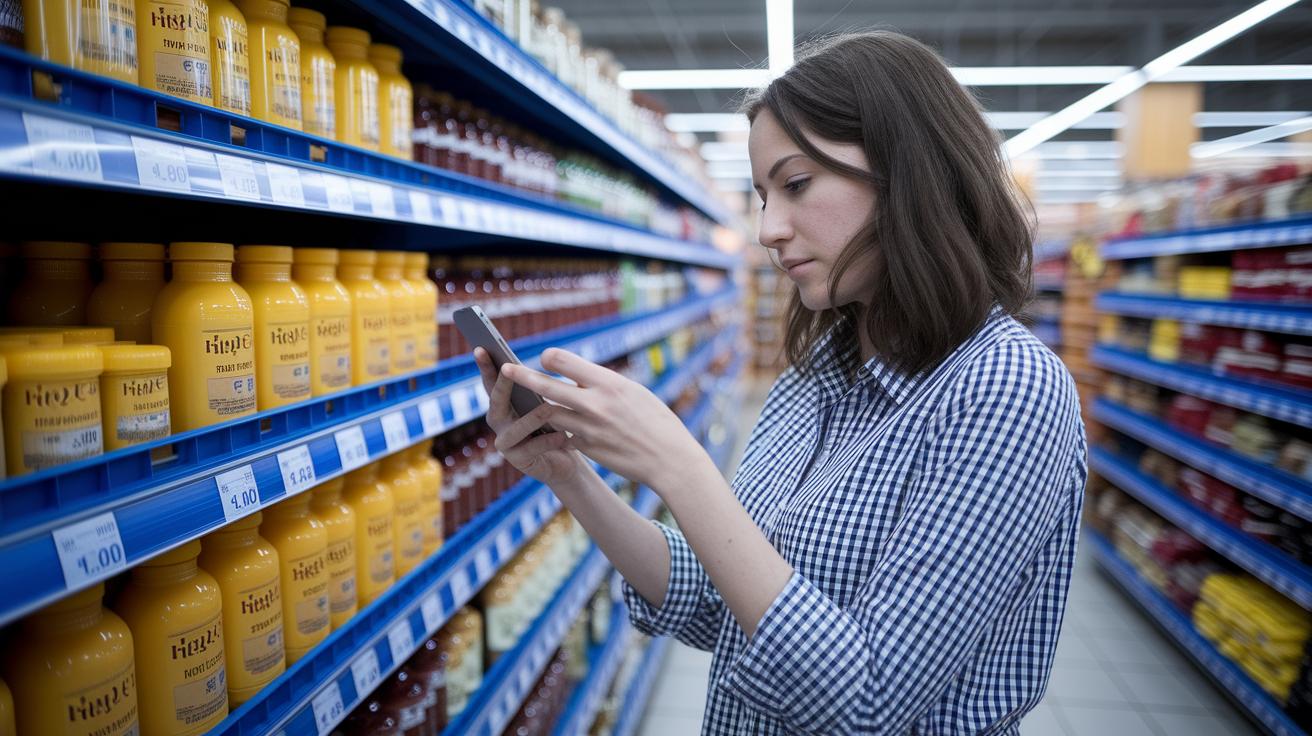
Shoppers are rethinking their spending habits as economic uncertainty nudges them to be more careful. Nearly half of consumers (47%) are taking steps to prepare for a possible downturn, while most of them are scrutinizing product details (78%) and hunting for discounts (57%). Interestingly, about one in five shoppers (19%) is choosing cheaper everyday items to save money for purchases they value more.
Subscription services are also catching our attention. The market is set to exceed USD 1.50 trillion by 2025. Still, 72% of U.S. consumers say they’re overwhelmed by the amount of available services, leading many to prefer bundled deals. In response, companies are getting creative by combining subscriptions to streamline billing and enhance the overall customer experience. This shift highlights how subscription fatigue is reshaping spending behavior.
At the same time, health and wellness tech is on the rise. Experts predict that mental wellness apps will grow to around USD 17.5 billion by 2030, and sleep technology could soar to USD 68.8 billion by 2032. These numbers reflect a clear trend: consumers are increasingly investing in products that support their well-being while balancing smart financial choices.
| Metric | Value |
|---|---|
| Subscription Market (2025) | USD 1.50 trillion |
| Subscription Fatigue | 72% of U.S. Consumers |
| Mental Wellness Apps (2030) | USD 17.5 billion |
| Sleep Technology (2032) | USD 68.8 billion |
Final Words
In the action, the post highlighted key shifts including personalized experiences, mobile-driven research, and the influence of social recommendations. It covered how digital tools and AI are reshaping buying patterns, the importance of seamless omnichannel experiences, and the growing focus on ethical choices.
Our look at consumer behavior trends revealed that data insights and real-time analytics are paving the way for smarter strategies. The outlook remains positive as businesses adapt to these exciting market changes.
FAQ
What are the current consumer behavior trends?
Current consumer behavior trends include shifts toward digital research via mobile apps, personalized shopping experiences powered by AI, growing subscription services, and increased reliance on reviews and influencer recommendations, with a strong focus on ethical choices.
What is Gen Z consumer behavior?
Gen Z consumer behavior features heavy reliance on social media, a preference for influencer recommendations, and a readiness to invest in sustainable and ethical products, all of which drive modern digital shopping experiences.
What is a global trend in consumer behavior?
A global trend in consumer behavior is the shift toward seamless digital experiences that merge online and in-store shopping, with consumers worldwide demanding fast, secure transactions and valuing trusted reviews.
What are the 4 C’s of consumer behavior?
The 4 C’s in consumer behavior consist of consumer needs, cost considerations, convenience in purchase, and communication, which together guide businesses in aligning products with customer expectations.