Ever wonder if your store could hit its stride with a little cloud boost? Imagine a system that effortlessly combines your online and in-store sales into one smooth experience.
With retail cloud, every sale feels personalized thanks to real-time inventory tracking and digital point-of-sale tools. This smart setup not only makes daily tasks simpler but also helps drive growth.
In today’s fast-paced market, every second counts. A unified solution like this lets you cut through the clutter and create a shopping experience that truly delights your customers.
Retail Cloud Overview and Core Capabilities
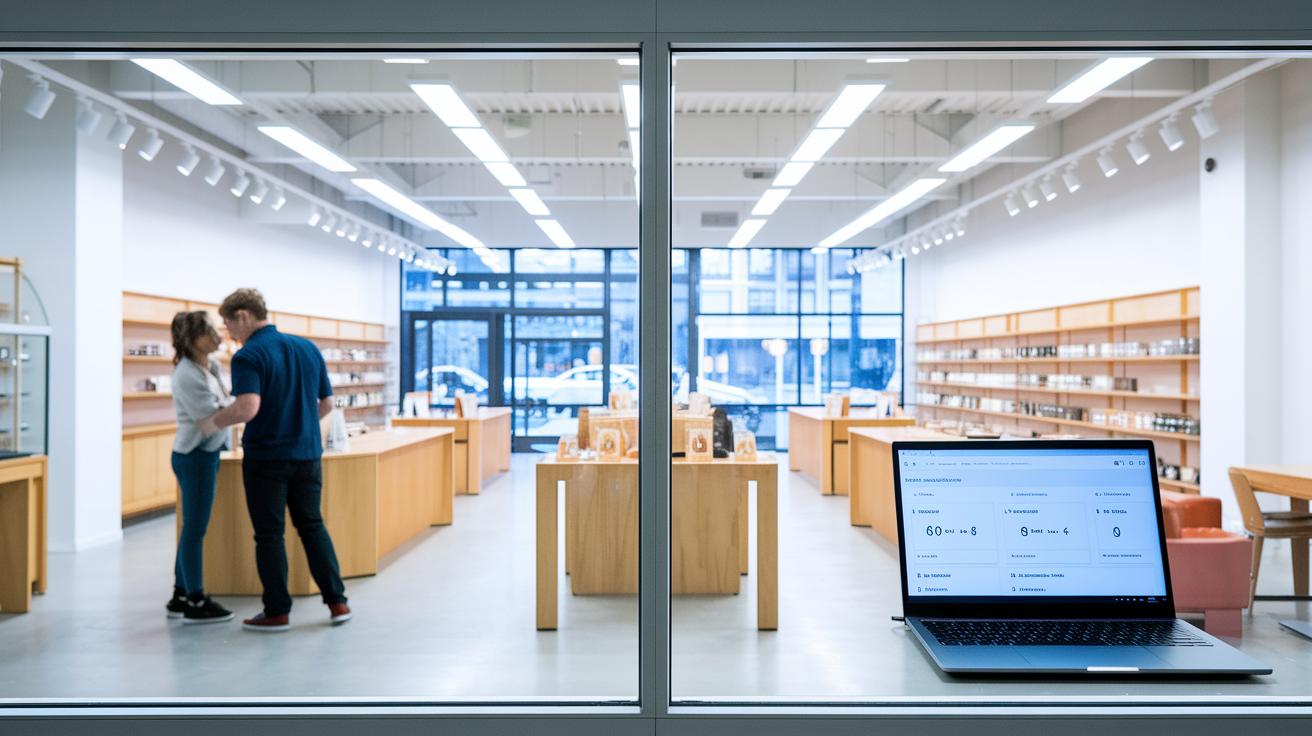
Retail cloud is a cloud-based platform that makes running both online and physical stores a breeze. It brings everything together so that every customer interaction, from clicking on your website to stepping into your shop, feels consistent and smooth. It’s pretty amazing, small retailers can now handle a multi-channel business with ease.
Salesforce Retail Cloud built on the success of Commerce Cloud and Service Cloud. Launched on February 14, 2025, it blends traditional retail know-how with modern cloud technology to support all your sales channels. The platform ties together customer data, streamlines transactions, and creates personalized shopping experiences that keep customers coming back. If you’re curious about unified commerce ecosystems, the digital commerce platform is a great spot to start.
Key elements include a flexible, headless point-of-sale system, a rich library of Agentforce skills, and tight integration with Salesforce CRM. Imagine a system where real-time inventory updates meet live, in-store service, ensuring every transaction is smooth and every customer leaves happy.
Key Retail Cloud Features for Point-of-Sale and Inventory Management

Imagine a system where the online checkout meets the in-store experience seamlessly. Salesforce Retail Cloud’s AI-powered Modern POS brings together every aspect of your business into one simple, smart dashboard. It links e-commerce transactions with in-store sales, tracks your inventory in real time, and offers insightful customer suggestions based on AI. This means fewer stock issues and instant alerts when it’s time to restock, while shopping becomes truly personal whether you’re online or in a brick-and-mortar store.
- Modern POS interface – A single, user-friendly dashboard that connects digital and physical sales, making the checkout process smooth and customer interactions effortless.
- Headless checkout API – A clever back-end solution that handles payments quickly without the usual checkout obstacles.
- Real-time stock tracking – Constant inventory refreshes powered by ai inventory management, ensuring your shelves are prepped and orders are filled fast.
- AI recommendation engine – Smart algorithms that learn from customer habits, offering personalized product ideas to boost sales.
- Virtual/self-checkout modules – Self-service tools that let shoppers check out quickly, cutting down on wait times and enhancing store efficiency.
- Omnichannel order management – A system that ties together online orders and physical pickups, so customers enjoy the same great experience no matter where they shop.
By combining these elements, the platform creates a friendly ecosystem where every feature supports the others. The Modern POS sets the stage by smoothly integrating headless checkout and real-time tracking. Meanwhile, AI suggestions and self-checkout options make shopping engaging and stress-free. In short, this system not only simplifies transactions but also elevates inventory management, helping your store run better and grow faster.
Retail Cloud Deployment Options and Pricing Models
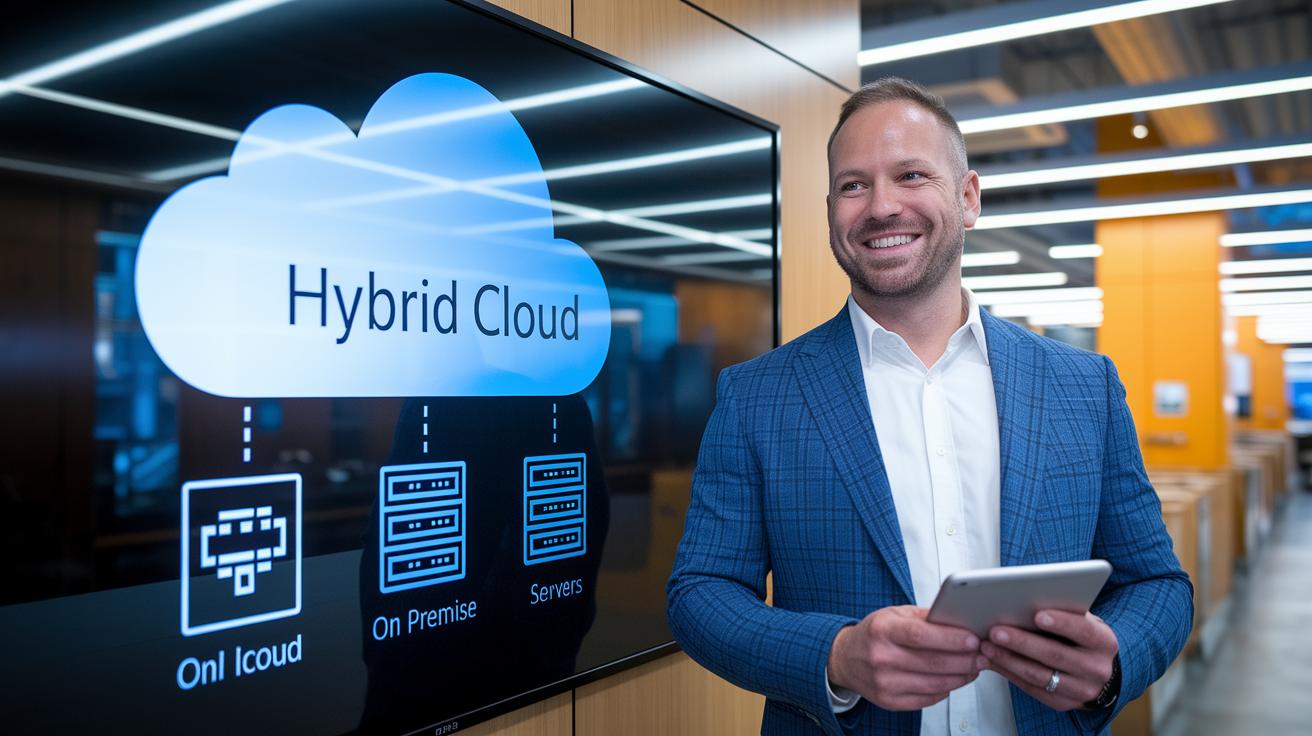
Retail Cloud gives you a range of options that fit various retail management needs. You can choose a fully hosted solution where every system runs in the cloud, or go for a headless setup that uses strong APIs to create a smooth payment and checkout experience. And if you want the best of both worlds, a hybrid approach lets you mix modern cloud features with your current on-site systems. This range of choices means you can tailor your setup to match exactly what your business requires.
When it comes to pricing, especially for the Modern POS system, it all depends on your store size, the modules you pick, and how many custom integrations you need. Prices aren’t listed upfront, so you typically work directly with providers to create a package that fits both your goals and your budget. The whole idea is to offer a pricing model that grows with you, whether you're a small business or a major enterprise.
Before making the switch, start by looking at your POS and inventory needs and mapping out your integration and customization requirements. These early steps help lay the groundwork for a smooth transition, ensuring that both the basic functions and the special touches are planned out clearly.
Comparing Leading Retail Cloud Vendors and Platforms
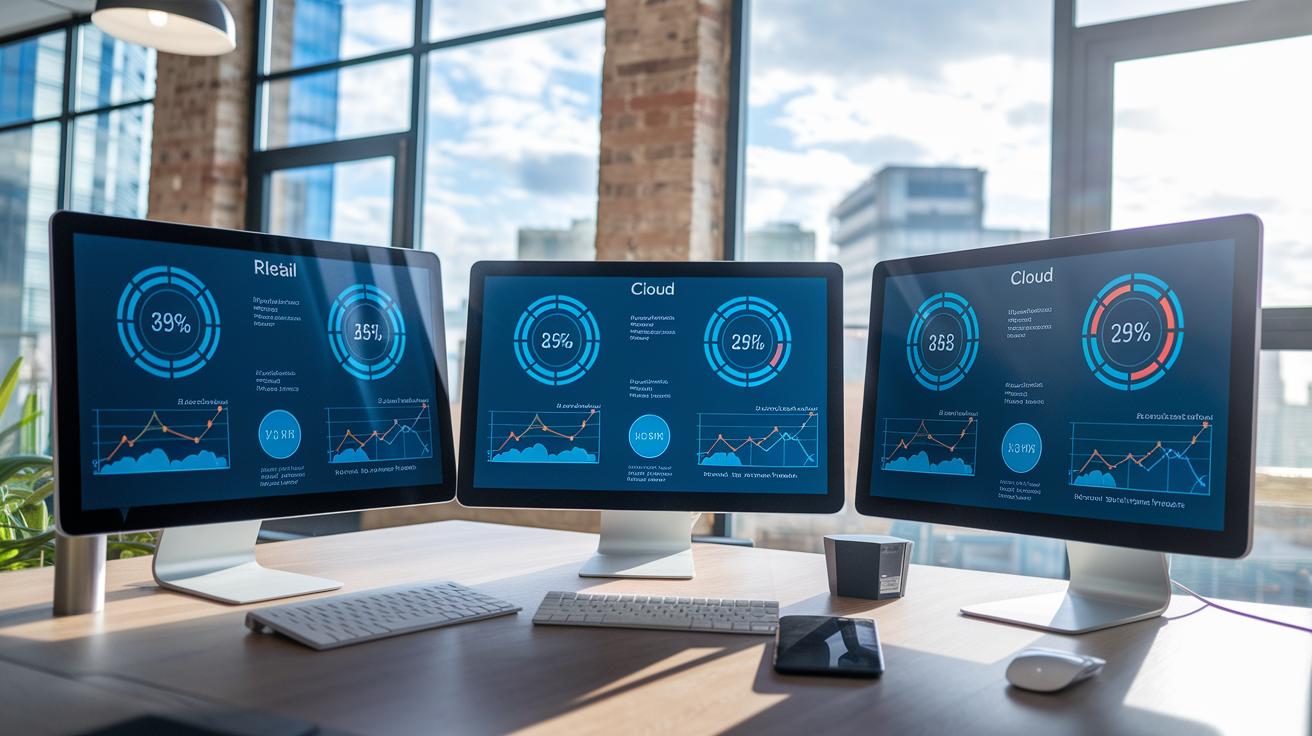
We've put together a quick side-by-side look at four top retail cloud solutions. Each one offers unique strengths in integration tools, reporting features, and POS customization options to help you choose the right fit.
| Platform | Integration Tools | Reporting Features | POS Customization |
|---|---|---|---|
| Salesforce | Robust APIs that smoothly connect various data sources | Advanced dashboards with real-time data at your fingertips | Flexible modules that let you tailor the system to your needs |
| Oracle | A full suite designed for syncing e-commerce platforms seamlessly | In-depth metrics with live insights to track your performance | Modular design that adapts to various retailer requirements |
| Microsoft | Next-gen tech that integrates channels without a hitch | Unified cloud reporting ideal for daily operations monitoring | Configurable POS modules perfect for diverse business settings |
| Shopify | Easy-to-use tools built for a fast, hassle-free setup | Straightforward analytics that strip away the fluff | Intuitive modules designed for the quick pace of retail |
If your business handles high transaction volumes and complex data flows, Salesforce might be your go-to with its deep integration and cutting-edge reporting capabilities. For enterprises needing rock-solid security and comprehensive insights, Oracle stands out with a secure, scalable solution. Microsoft works well for mid-sized retailers looking for smooth integration across multiple channels, balancing innovation with steady performance. And if you’re a smaller brand seeking a user-friendly solution with customizable features, Shopify has you covered.
Retail Cloud Use Cases and Success Stories
Omnichannel Fulfillment
Retail Cloud brings online orders and in-store stock together like old friends catching up. It smartly routes orders to the best fulfillment spot, matching what’s needed with what’s available across different locations. This way, customers receive their items quickly and retailers keep the process smooth and efficient.
Sales Analytics Dashboards
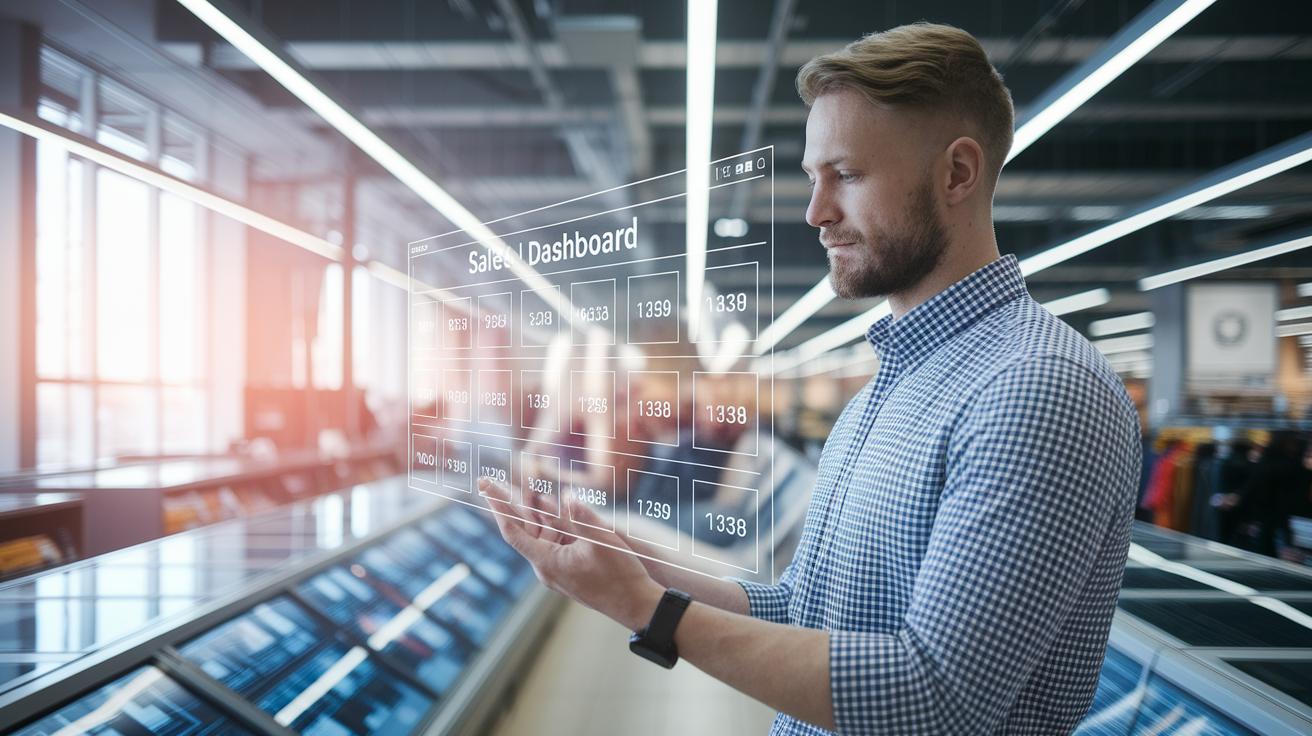
Imagine having a window into your store's daily buzz, real-time dashboards give you that insight. Managers can easily spot sales trends and understand customer habits, which helps them tweak promotions or launch targeted campaigns. It’s a simple, hands-on way to drive revenue and keep your strategy sharp.
Mobile and Contactless Payments
Paying just got a whole lot easier. With cloud-based mobile payment integration, customers can check out using digital wallets in a flash. This fast, secure method cuts down waiting times and keeps queues moving, while retailers appreciate the lower costs and streamlined operations.
Dynamic Pricing Engines
Retail Cloud’s AI-powered dynamic pricing is like having a smart pricing coach at your side. It adjusts prices in real time based on current demand and stock levels, letting you offer attractive discounts when the rush is on and smart pricing when things slow down. It’s all about staying agile and data-led in a fast-changing market.
Back-Office Process Automation
Think of back-office automation as your silent partner in keeping things organized. By linking sales, inventory, and logistics data, the system minimizes manual work and reduces errors. This means quicker order processing, better use of resources, and a noticeable lift in overall efficiency.
Retail Cloud: Boost Store Efficiency and Growth

Moving to a retail cloud is like giving your store a fresh start with smoother operations and a clear path to growth. The key is to fine-tune your daily workflows and keep a close eye on performance numbers. By introducing essential modules one step at a time and using solid monitoring tools, you can keep disruptions to a minimum while steadily progressing toward your growth targets. This careful approach not only cuts downtime but also sets the stage for a smooth, trouble-free software migration. It helps to start with the most impactful areas, like your point-of-sale and inventory systems, to make the transition as manageable as possible.
Here’s a simple plan to get you started:
- Roll out modules by priority – Begin with core systems such as your cash register and inventory management to keep essential operations humming.
- Test the waters with pilot stores – Run a full-scale test in a few select stores to catch and fix issues before a wider rollout.
- Set up automated triggers – Implement processes that activate tasks on their own, reducing the chance of manual errors.
- Keep an eye on key metrics – Monitor important numbers like transaction speed (aiming for under 200 ms) and system availability (targeting 99.9% uptime).
Regular performance reviews and incremental updates are crucial. By paying attention to feedback from tools like Agentforce 3, you can continually fine-tune your system to ensure that your retail cloud keeps boosting efficiency and driving growth.
Final Words
In the action, we examined how retail cloud systems have reshaped everyday commerce by unifying legacy processes into seamless platforms. We broke down its origins, highlighted key features such as headless POS and CRM integration, and compared top vendors. Success stories and best practices revealed that cloud-enabled commerce solutions streamline operations and spark fresh market opportunities. Embracing a retail cloud strategy opens the door to improved efficiency, leaving us all with a sense of optimism for what comes next.
FAQ
What does Retail cloud login refer to?
The retail cloud login refers to the secure portal that allows users to access a unified system for managing sales, inventory, and customer data in real time.
What is Retail Cloud Salesforce?
Retail Cloud Salesforce represents a cloud-native unified commerce platform that integrates CRM capabilities with modern point-of-sale features for seamless online and offline retail experiences.
What does Retail cloud POS mean?
Retail cloud POS refers to the headless point-of-sale system within the platform, which streamlines transactions and supports both in-store and digital purchases effortlessly.
What is the Retail cloud console?
The retail cloud console is the user interface where retailers monitor key performance metrics, track inventory, and access real-time operational data.
What do Retail cloud reviews indicate?
Retail cloud reviews share insights about the system’s efficiency in managing sales, inventory, and customer relationships, highlighting strengths and areas to improve.
What is Retail Cloud Kozhikode?
Retail Cloud Kozhikode likely references a localized implementation or support center, indicating that the platform has adopters or service points in that region.
What does Retail cloud with modern POS offer?
Retail cloud with modern POS delivers an advanced interface that fuses ecommerce checkout with traditional in-store operations, ensuring a smooth and unified transaction process.
How is Retail cloud pricing structured?
Retail cloud pricing is flexible, varying by retailer size, required modules, and integration needs, reflecting a customizable cloud-native SaaS model.
Who is the CEO of Retailcloud?
The CEO of Retailcloud is the top executive overseeing the company’s strategy and operations, with details provided directly by the firm.
What is considered the best POS system for retail?
The best POS system for retail varies by business needs, but modern cloud-based systems are favored for their real-time inventory management and seamless transaction processing.
How big is the retail cloud market?
The retail cloud market is expanding steadily as businesses increasingly shift toward cloud-enabled solutions that integrate sales, inventory, and customer data.
What POS system does Chick-fil-A use?
Chick-fil-A employs a modern, cloud-based POS system designed to streamline ordering and payment processes, enhancing the overall customer experience.