

Have you ever wondered if one system could run several unique online shops without missing a beat? Multitenancy architecture in e-commerce lets different storefronts share the same code while still keeping their own unique style. This means smoother updates, lower costs, and better performance during peak times.
In this article, we'll show you how this smart approach simplifies operations, eases maintenance, and saves money. It’s a game-changer for retailers looking to grow and adapt in a fast-changing marketplace.
Core Principles and Benefits of ecommerce multitenancy architecture
Multitenancy offers key benefits for online retailers by bringing data, infrastructure, and development processes together in one place. With this setup, several storefronts can run off a common codebase and share backend resources, yet each store still keeps its unique look. It’s like having a shared engine behind different shopfronts, each one remains true to its personality while reaping the advantages of regular updates, making managing seasonal sales or flash promotions a lot smoother.
This unified approach makes the technical side much easier to handle. Each storefront operates independently at the front end, while the overall system takes care of keeping data secure and consistent. Sharing resources means less repetition and more efficiency, ensuring the system holds up well even when traffic surges.
- Operational efficiency
- Scalability
- Simplified maintenance
- Consistent data integrity
- Cost savings
All these benefits come together to boost business continuity. By centralizing key resources and automating routine upkeep, ecommerce multitenancy helps businesses manage growth and stay reliable, even when market conditions change unexpectedly.
Comparing Single-Tenant and ecommerce multitenancy architecture Models
Single-Tenant Architecture
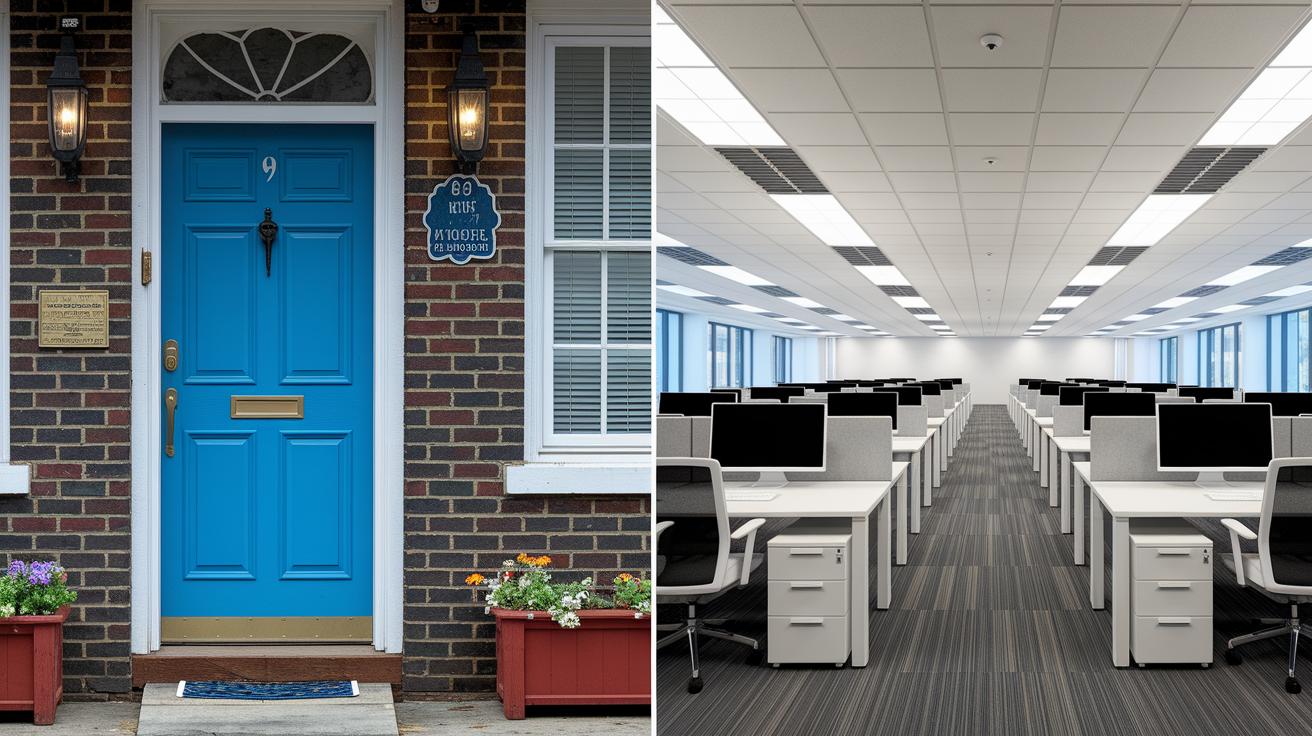
This setup gives each client their own software instance and database. Think of it like renting your own apartment where you decide every little detail. With this model, your data is completely separate, which means if something goes wrong in one instance, it won’t affect anyone else. You get more control over security, backups, and customization. But, much like a luxury apartment, the cost is higher because each client's unique setup requires extra work and ongoing maintenance.
Multi-Tenant Shared-Database Model
Here, everyone uses the same application and storage pool, making updates and maintenance a breeze. When a change is made, everyone benefits immediately. This shared model lowers operational overhead and boosts efficiency through resource sharing. However, sometimes you might run into issues like resource contention, often called the “noisy neighbor” effect, where one heavy user can slow things down for others. It’s a simpler approach, but it means you have to keep a close eye on performance, especially during high traffic times.
Multi-Tenant Separate-Database Model
In this configuration, each tenant gets their own database while still using a common application layer. You get better isolation and enhanced security compared to a shared-database model, so it’s like sharing a house but having your own private room. This model offers improved performance, though it adds complexity with extra databases to manage. In fact, choosing the right model really depends on what matters most to your business, whether it’s top-notch customization, flawless performance, or keeping costs in check.
Data Consistency and Database Models in ecommerce multitenancy architecture
Designing a multitenancy system means walking a tightrope between keeping data consistent and keeping each tenant's data separate. A shared database gives every store a single, unified view. This simplicity makes backups easier and data stays consistent. But it can also run into problems when one busy store slows things down for everyone else. Separate databases, on the other hand, boost security and speed by keeping data isolated. That said, they also require more effort to set up and manage. Somewhere in between, you might opt for a shared schema that aligns data structures across tenants while still providing a hint of separation. Other techniques, including multi-instance models, SQL partitioning, NoSQL management, and data tier partitioning, offer additional ways to find the right balance.
| Model Type | Pros | Cons |
|---|---|---|
| Shared Database | Centralized data, simpler backups, and unified consistency | Risk of one busy tenant slowing everyone down |
| Shared Schema | Uniform structure and smoother updates across tenants | Less isolation and potential performance issues |
| Separate Database | Stronger security, better isolation, and higher performance | More complex to manage and set up, with higher costs |
When picking a model, think about your platform’s size, security needs, and traffic expectations. Smaller operations or those that prefer simpler updates might lean toward a shared database or schema. In contrast, larger systems with more demanding performance and stricter data separation requirements may find that the extra work for separate databases really pays off.
Optimizing Scalability and Performance in ecommerce multitenancy architecture

The backend is like the heartbeat that powers a digital storefront built for growth. Using clever load balancing, the system spreads out traffic and directs resources exactly where they're needed. Imagine a restaurant kitchen that sends more chefs to the busy counter during a dinner rush and eases off when it’s quiet. This setup keeps things running smoothly during seasonal sales, flash promotions, or any surprise surge in visitors.
On the frontend, modern frameworks such as Hyvä make a big difference. Thanks to Hyvä’s simple, efficient design, page loads are kept to a minimum and the interface stays clean and easy to use. Even when more shoppers are online, the site remains fast and responsive. In short, blending these smart techniques turns the user experience into a key advantage, ensuring smooth navigation no matter how busy it gets.
Tenant Isolation and Security Strategies in ecommerce multitenancy architecture
Running multiple online stores on one platform means keeping each store’s resources separate. No single storefront should grab all the database connections or memory. By using techniques like dedicated data partitions and flexible resource allocation, every store gets its fair slice of the pie. This careful separation keeps your system running smooth, even when traffic peaks.
Staying on top of rules like PCI-DSS and GDPR is essential for security. Encryption scrambles data when it's moving or sitting idle, which means sensitive customer details are well protected. Building these measures into the system right from the start lets businesses quickly adapt to new regulations and ensures every transaction stays private and secure.
Keeping threats at bay is all about constant vigilance. Continuous monitoring, regular security audits, and quick software updates work together to catch vulnerabilities early. Automated tools and alert systems help spot issues before they turn into real problems. This layered security approach not only shields shared resources but also gives each store a robust defense against emerging threats, significantly lowering overall risk.
Implementing Containerization and Cloud Infrastructure in ecommerce multitenancy architecture
Single Codebase and Theme Management
Imagine running a system where one single codebase powers a whole bunch of storefronts. Each store maintains its own unique style, even though they all share the same foundation. This approach uses a SQLite-based design to host many stores in one repository, a smart way to keep things simple. It’s like having one versatile blueprint that can easily adapt to different layouts. This method not only speeds up development and simplifies maintenance, but it also aligns with advanced container orchestration techniques in our ecommerce tech stack.
Per-Store Database Isolation
Every storefront in this setup gets its own dedicated database. Think of it like each store having its own safe, ensuring that data remains secure and separate. This means a hiccup in one store won’t slow down the others. It also makes backing up data much more straightforward, and lets users customize their setup without any cross-store interference.
Immutable Deployments on Vercel
The system is built to support immutable deployments. In other words, every commit or pull request kicks off a fresh rollout on Vercel projects. This method minimizes downtime while keeping each deployment exactly like the successful ones before it. It’s a smart way to ensure stability and consistency while handling container deployments and hybrid cloud solutions.
Continuous Integration, Monitoring, and Resilience in ecommerce multitenancy architecture
Imagine a system where updates roll out smoothly without needing to push a button every time. That's what automated CI/CD pipelines do for our platform. They handle everything, from testing every little code change to deploying it across the board. Picture this: you update the code, and like magic, the system detects, tests, and updates without any manual fuss. This helps avoid mistakes and gets improvements live faster.
Now, think about automated testing frameworks as a trusty quality control team. They run a series of tests in the blink of an eye to check for things like sluggish performance, compatibility woes, or security gaps. It’s like launching a new feature and then instantly getting a full health check report. This continuous feedback loop means any issues get caught early on.
On top of that, monitoring and alerting tools are our early warning system. They keep an eye on everything in real time, tracking how resources are used and spotting any unusual behavior. When something seems off, a quick alert pops up so the team can jump on it before a small hiccup turns into a big problem.
And just in case things go sideways, robust failover and resilience planning are in place. Think of it as having a backup route when one road is closed. If part of the system fails during heavy traffic, the setup automatically reroutes users to keep things running smoothly. This planning is all about making sure the service stays steady, even during the busiest moments.
Compliance, Change Management, and Best Practices for ecommerce multitenancy architecture

Building a reliable multitenancy platform starts with strict adherence to key rules like PCI-DSS and GDPR. Companies need to set up systems that guard customer data and keep payment processes safe. This approach not only meets legal requirements but also builds trust by making sure sensitive information stays secure. Regular audits and ongoing monitoring ensure teams can adapt quickly when regulations shift.
Managing changes effectively is just as important. Clear, written procedures help everyone understand and embrace updates with little disruption. Open communication and scheduled reviews boost confidence while reducing downtime. Plus, regular feedback from all team levels refines the process and supports a nimble, lasting resilience.
Defined service level agreements, which outline expectations for uptime and maintenance, provide a solid foundation for dependable service. Detailed architecture diagrams capture every system change to streamline troubleshooting and keep documentation accurate. Following these standards aligns teams with an overall ecommerce strategy that drives both reliability and performance, while ongoing reviews encourage continuous improvement across the global organization.
Final Words
In the action, the blog highlighted key design principles, comparing various architecture models and showcasing strategies for scalability, performance, and security. It broke down how shared resources streamline operations and support rapid updates during busy sales or flash promotions.
Each section offered clear, actionable insights, from choosing database models to implementing resilient container technologies. Embrace this agile approach in ecommerce multitenancy architecture to drive smarter decisions and keep your storefronts performing at their peak.
FAQ
What is an ecommerce multi tenant architecture template or example?
The ecommerce multi tenant architecture template centralizes data and infrastructure while allowing each storefront to operate independently. This design handles traffic surges and seasonal sales with improved operational efficiency.
How is multi tenant architecture database design structured?
The multi tenant architecture database design balances a shared database for consistent data integrity with isolated instances that bolster security and performance, depending on the platform’s scale and requirements.
What does a multi tenant architecture diagram illustrate?
A multi tenant architecture diagram illustrates the shared backend services, isolated storefront modules, load balancing, and database partitioning, clearly mapping how resources are distributed and managed.
How can you implement multi tenant architecture in ecommerce?
Implementing multi tenant architecture in ecommerce involves using a unified codebase that shares infrastructure while isolating individual storefront data. This setup leverages dynamic resource allocation and continuous integration tools to maintain performance.
What characterizes multi tenant SaaS architecture?
Multi tenant SaaS architecture centralizes software updates and backend operations across all tenants, offering cost-effective scalability and efficient resource management while ensuring consistent service for each client.
What is meant by multi tenant building in this context?
Multi tenant building refers to structuring an ecommerce platform with shared core services and individually managed storefront modules, which streamlines operations and supports rapid scaling without duplicating resources.