

Online shopping isn't slowing down, it's evolving. New technologies are shaking up how we buy our daily essentials, making the experience smoother and more exciting.
Experts believe that global revenue could surge by nearly a trillion dollars by 2025, fueling growth in the digital marketplace. Picture smart recommendations guiding your choices and mobile-friendly designs that turn browsing into a breeze.
This tech-savvy shift is rewriting the rules of retail. Have you seen how easy it is to discover the perfect product with just a few taps? Dive in to explore how these trends could set the stage for online shopping success in the near future.
How Emerging Ecommerce Market Trends Are Shaping Industry Growth in 2025
Online shopping is about to get a major upgrade. Experts predict that global revenue will jump from $5.8 trillion in 2023 to around $6.86 trillion by 2025. This shift shows how more people are embracing digital platforms for their shopping needs, an exciting change in how we all buy our everyday essentials. For a closer look at these trends, feel free to explore additional ecommerce insights.
Today, over 2.7 billion folks shop online, picking everything from gadgets and clothes to groceries and pharmacy items. This huge, diverse crowd is proof that digital channels are stepping up to serve a wide range of tastes, turning everyday purchases into a smooth, data-driven experience.
Here are five standout trends steering online commerce into a new era:
These trends aren’t just buzzwords, they’re real forces changing the digital landscape. AI-powered recommendations are making shopping feel effortless, and mobile devices are set to drive nearly 59 percent of online sales by 2025. Meanwhile, the surge in social commerce makes product discovery as easy as a scroll through your feed, and AR and voice technology bring a fresh, interactive twist to the experience. Plus, as more consumers spotlight sustainability, brands committed to ethical practices are rising star status.
In a nutshell, the digital marketplace is evolving fast, pushing businesses to adapt quickly. It’s an exciting time to watch how these shifts reshape our shopping habits and redefine the future of ecommerce.
AI And Personalization Driving The Digital Shopping Evolution

Artificial intelligence is now at the heart of creating tailor-made shopping experiences. In today's fast-moving market, AI helps make shopping feel natural by offering product suggestions that really match what customers want and giving real-time deals. By looking at how users shop and what they've bought before, AI crafts smooth and engaging journeys that keep customers coming back.
There are three main ways AI is changing retail for the better. First, personalization helps shoppers feel seen by suggesting products that fit their tastes perfectly. Next, dynamic pricing tweaks offers based on current demand, making sure prices stay competitive. And then, AI chatbots are there around the clock, ready to provide quick help when customers need it.
| Use Case | Benefit |
|---|---|
| Personalized recommendations | Boosts conversion rates |
| Dynamic pricing | Improves profit margins |
| AI chatbots | Offers 24/7 support |
These smart tools give retailers a leg up by streamlining every interaction and making customers happier. Think of it like this: AI systems can now handle routine tasks on their own, freeing up teams to focus on big-picture growth. With predictive analytics fine-tuning each offer, retailers can quickly adapt to shifting trends and buyer behaviors. Did you know that one leading online retailer saw nearly a 30% boost in conversions just by using personalized recommendations? It’s clear that AI-powered strategies are rapidly reshaping the digital shopping world.
Mobile Commerce And Social Selling Growth In Emerging Ecommerce Markets
Smartphones are now the go-to tool for shopping, and experts predict mobile sales will hit 59 percent of all ecommerce by 2025. People expect super-fast, tailored experiences, so retailers are crafting smart strategies to drive impulse buys. Picture a flash sale alert that says, "Catch the deal before it's gone – shop now!" to boost quick decisions.
Social apps like Instagram and TikTok make it easy to buy right in the feed while influencers share their must-haves. When mobile-friendly design meets these social channels, the shopping journey feels smooth and fun. For instance, a campaign might shout, "I couldn’t resist sharing my favorite find – grab yours before the rush hits!" blending influencer trust with spur-of-the-moment purchasing.
Augmented Reality, Virtual Try-On, And Voice-Activated Shopping Solutions

Augmented reality is changing online shopping by giving you a hands-on feel right from your screen. Imagine browsing a website where you can virtually try on clothes, eyewear, or makeup, it's almost like stepping into a real store. This smart use of AR lets you see how that new pair of glasses or trendy lipstick looks, easing your concerns and boosting your buying confidence.
Voice-activated shopping and livestream demos are also shaking things up in the digital space. With voice search, you can quickly ask for product details or check stock without navigating multiple pages. Then there’s livestream shopping, a live, interactive event where a host shows products in real time. It feels fun and makes the decision to buy nearly instantaneous.
Sustainable Practices And Ethical Supply Chains In Emerging Ecommerce Trends
Consumers care more than ever about a brand’s green footprint. They’re choosing to spend their money with companies that switch to recyclable packaging and stick to ethical sourcing. Now, people expect brands to be transparent about their environmental impact. They want to know about carbon-neutral shipping and traceable supply chains. In fact, many buyers now see sustainability as a sign of trust, reshaping how and where they shop.
Retailers aren’t sitting still either. They’re getting creative with eco-friendly packaging and funding carbon offset programs to cut their environmental impact. You might even hear stories about brands using innovative reverse logistics and tracking every step of their supply chain to stay green. These clear, honest practices not only meet consumer expectations but also boost customer trust. Integrating ethical methods through production and distribution has become a winning strategy for both businesses and their customers.
From Micro-Fulfillment To Hyperlocal Delivery: Supply Chain Evolution In Online Retail
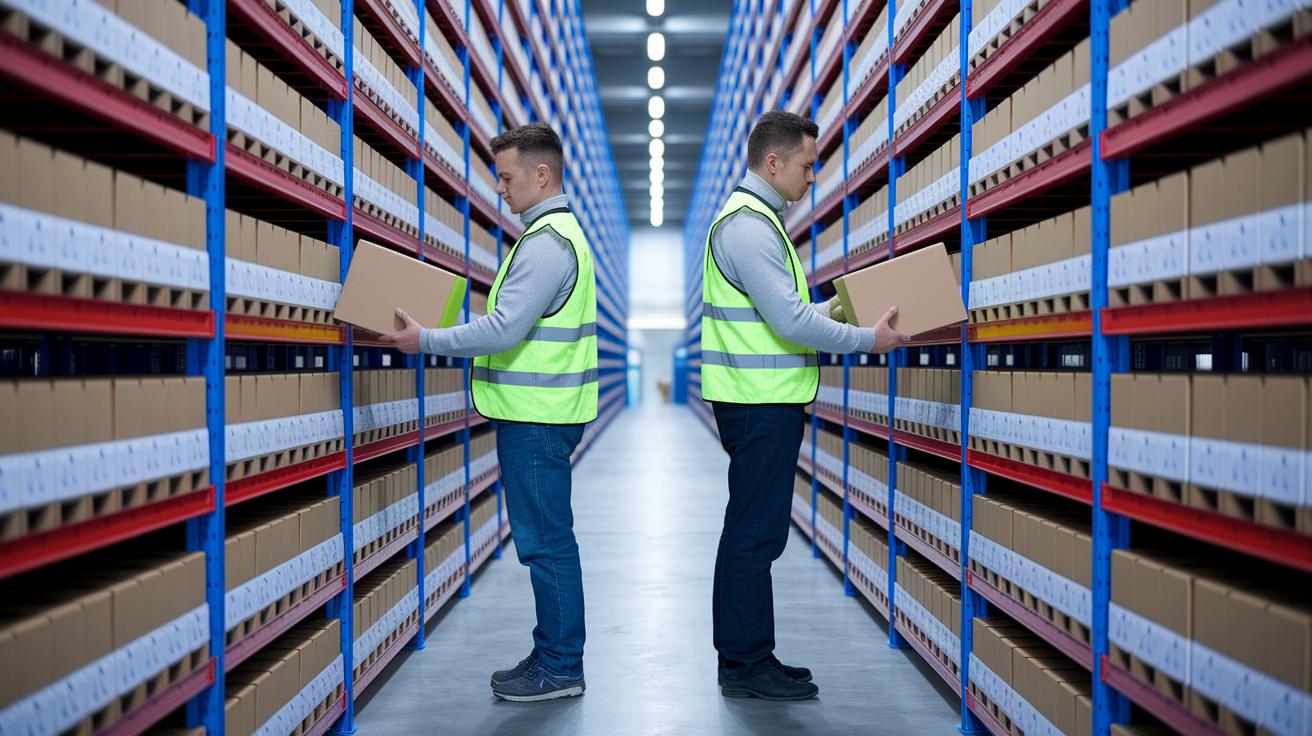
Micro-fulfillment centers are changing the game in online retail. They bring your favorite products closer to you by storing inventory in small, local hubs. This smart setup slashes delivery times to just 2 to 4 hours, which means you get your order faster. Retailers love it because it cuts costs and keeps customers smiling. Imagine ordering an item and having it delivered the very same day, one customer even received theirs just an hour after buying it!
Then there’s hyperlocal delivery, which takes things a step further. By using dark stores, basically warehouses that aren’t open to the public, and flexible gig-economy couriers, orders zoom from the shelf to your door, almost like magic. Advanced route planning helps cut shipping expenses and speeds up the transit. Plus, automated systems make returning items just as hassle-free. These innovations help retailers navigate busy days and large order volumes with ease, ensuring a smooth journey from purchase to delivery and back again. It’s all about making your experience as reliable and easy as possible.
Subscription Commerce Models And Retention Strategies For Digital Consumers
Subscription shopping isn’t just for magazines anymore. Today’s retailers offer everything from gourmet foods and everyday essentials to stylish picks and exclusive direct-to-consumer goods. This wider range not only draws in a larger crowd but also builds a steady, recurring income that brands can rely on. Shoppers appreciate the ease of scheduled deliveries and the thrill of curated surprises, making subscriptions a smart choice for those on the go.
Personalization is the secret sauce behind keeping customers loyal. Custom-curated boxes paired with attractive loyalty rewards can boost retention by 20 to 30 percent. Automated renewal reminders ensure subscribers never miss a beat, while flexible delivery schedules fit into everyone’s lifestyle. It’s a thoughtful approach that not only makes customers happier but also deepens their connection with the brands they love.
Forecasts And Strategic Recommendations For The Future Of Emerging Ecommerce Market Trends

Global ecommerce is on a clear upward path. Experts predict that US revenue will hit $1.17 trillion by the end of 2025, growing steadily at about 5.59 percent each year. That kind of growth really shows how the digital retail space is evolving. Retailers now face a push to update everything, from automating day-to-day tasks to fine-tuning how they connect with customers. Using smart risk management tools, such as dynamic exemption management, isn’t just about boosting security, it can also help improve conversion rates, turning more visits into sales. When planning investments, it helps to tailor projects to specific customer groups, industry needs, and competitive pressures. In fact, smart, data-driven strategies are key to thriving in this fast-changing environment. Have you noticed how the market never stands still?
Evaluating Trend Relevance
Choosing the right ecommerce trends isn’t always straightforward. First off, make sure the trend truly resonates with your customers’ needs and interests. Next, think about vertical dynamics, different industries face unique challenges that might affect how new technologies are adopted. And finally, consider tech readiness. Can your current systems keep up with these changes, or is it time for an upgrade?
Measuring ROI And Implementation Feasibility
Deciding whether an investment is worth it means diving into the numbers. Keep an eye on key performance indicators like conversion lifts and margin improvements; these give you a clear picture of success. When you weigh the costs against the benefits, you can pinpoint which digital moves will offer the best returns. This balanced approach is what sets the stage for steady, long-term growth.
Final Words
In the action, this post tracked rapid market expansion and how modern technology is transforming online shopping. We touched on consumer behavior shifts, mobile commerce, and the rise of immersive tech applications. The discussion also highlighted ethical supply practices, efficient fulfillment, and new subscription approaches driving loyalty.
Market forecasts provide a clear picture, linking practical innovations to business success. Embracing emerging ecommerce market trends will empower you to stay agile and ready for what’s ahead.
FAQ
What are the current trends in e-commerce, including projections for 2025?
Current trends in e-commerce include rapid online sales growth, an increasing mobile focus with 59% of sales, AI personalization, and eco-friendly practices. Global sales are projected to reach $6.86 trillion by 2025.
What does the future hold for e-commerce by 2030?
The future of e-commerce leans toward hyper-personalized experiences, immersive tech like augmented reality, seamless social selling, and more efficient logistics that meet growing environmental preferences.
What is the next big thing in e-commerce?
The next big thing in e-commerce is the rise of intelligent systems that blend AI-driven recommendations, dynamic pricing, and voice-activated shopping to create faster, more engaging digital experiences.
What is currently the fastest growing segment in e-commerce?
Mobile commerce is the fastest growing segment, with smartphones driving on-the-go purchases and intuitive interfaces, contributing significantly to the expected 59% share of online sales by 2025.
What insights do industry reports like McKinsey offer on e-commerce trends?
Industry reports highlight faster delivery models, increasing personalization, and sustainable logistics as key growth drivers, urging brands to adopt innovative fulfillment and customer engagement strategies.


