

Have you ever thought a smarter approach to data analysis might boost your online sales? The days of simply counting page views are behind us. Today, smart platforms lean on AI tools and live dashboards to track shopper behavior and tweak pricing on the fly. Retailers are reaping the rewards, from improved conversion rates to higher order values, all by harnessing fresh, real-time data insights. In this post, we explore these game-changing trends that empower businesses to make quicker, sharper decisions in today’s fast-paced retail world.
Key Ecommerce Data Analytics Trends Shaping Online Retail in 2024
Page view tracking is a thing of the past. Today, AI-powered predictive analytics and real-time decision engines take center stage, unraveling customer behavior from every click and search. This shift lets retailers serve up personalized marketing that can boost conversion rates by 21% and lift average order values by roughly 38%.
Privacy is a hot topic now. With frameworks like GDPR and CCPA in play, handling data securely isn’t just a nice-to-have, it’s a must. On top of that, real-time sales monitoring means businesses can cut costs by responding quickly to current market pulses.
- AI-powered predictive analytics to anticipate demand
- Real-time dashboards tracking sales as they happen
- Dynamic pricing models that adjust to market changes
- Advanced personalization engines for tailored shopping experiences
- Multi-channel attribution analysis to pinpoint what works
- Machine learning to optimize inventory management
Mixing historical data with live sales figures helps businesses make smart decisions that drive growth. This approach supports agile frameworks, letting retailers streamline processes, personalize shopping experiences, and fine-tune inventory strategies while staying ahead of changing customer patterns.
Prominent Platforms Shaping Ecommerce Data Analytics Trends

Google Analytics packs a serious punch. It pulls data from your website and even your CRM systems into one clean view. With clear, visual reports and user-friendly dashboards, it lets merchants follow user habits step by step. This platform smoothly blends cloud smarts with adaptive business insights, making it a trusty ally for making quick, informed decisions.
Crazy Egg takes a visual spin on tracking. It creates heatmaps and scroll maps that clearly show where visitors stop, click, and engage on your site. Imagine seeing exactly where attention peaks, it turns raw numbers into a picture that can guide smart, targeted improvements.
Glew gathers data from many ecommerce sources and puts it all into customizable dashboards. This setup lets you dive deep into your sales performance, understand trends, and fine-tune strategies. It’s like having a real-time pulse on your business, so you can adjust your game plan with confidence.
Optimizely makes testing feel natural and fun. With its robust A/B testing and on-site personalization, merchants can experiment with changes in real time. Whether you’re trying a new layout or introducing fresh content, every tweak is measured to ensure a better customer journey and real growth in online retail.
Advanced Analytics Techniques Driving Ecommerce Data Analytics Trends
Predictive Analytics and Demand Forecasting
Retailers are now combining past sales data with details like weather trends and local events to get a better read on future demand. By turning past patterns into hints for the future, they can fine-tune stock levels and marketing strategies. Imagine using last winter’s sales numbers to predict a seasonal upswing; it’s a strategy that guides every decision from inventory to promotions.
Machine Learning in Pricing and Inventory
Using machine learning, companies can sift through both current and historical data to set prices and manage stock more precisely. These smart systems analyze customer behavior and sales trends to identify the best price points and reorder moments. Think of an online store that tweaks its prices based on what’s happening in real time, it’s all about making decisions faster and smarter.
Dynamic Pricing Models
Real-time data is the backbone of dynamic pricing models, which adjust product prices almost instantly. By factoring in research on price sensitivity and what competitors are doing, these models help retailers keep their margins healthy. Picture a platform that changes its prices as soon as a competitor makes a move. Every price change is backed by current demand data, keeping retailers competitive and boosting profits.
Predictive Fulfillment Methods
Advanced purchase prediction models now help strategically place stock closer to customers, streamlining logistics and cutting down delivery delays. For example, one retailer revamped its warehouse setup to better serve areas with high demand. This approach not only shortens delivery times but also improves customer satisfaction by effectively linking forecasts to fulfillment.
Personalization and Customer Insights in Ecommerce Data Analytics Trends
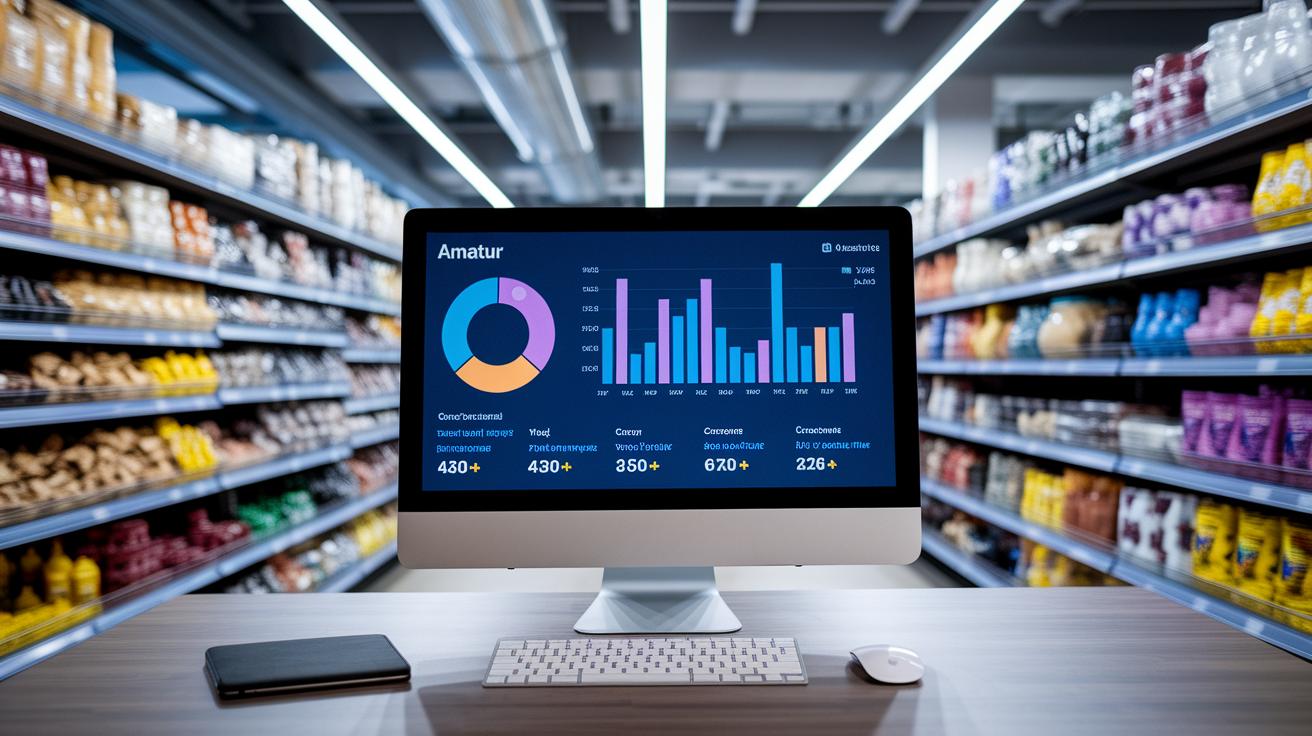
Retailers are using data analytics to better understand shopper habits by grouping customers based on age, location, purchase history, and more. This approach lets businesses build smart product recommendation systems that address what each customer truly needs. By taking a close look at consumer actions, companies adjust their strategies to match the unique tastes of each group.
Retailers also pay close attention to what shoppers say about their products. By evaluating feedback and reviews, they can refine their marketing messages and stock products that really resonate with each segment. These personalized marketing efforts not only boost engagement but also build lasting loyalty.
The combination of targeted data and customer insights is showing some impressive wins. For example, one study found that customized offers boosted conversion rates by 21%. When retailers cluster their customers and use these tailored insights, they craft experiences that speak directly to individual needs. This not only improves satisfaction but also encourages repeat business, paving the way for long-term growth in the fast-moving world of ecommerce.
Optimizing Ecommerce Data Analytics Trends with Key Performance Metrics
Key performance metrics, like conversion rate, cart abandonment rate, average order value, and customer lifetime value, stand at the heart of smart online selling. They work like a real-time compass for businesses, showing leaders how well their sites turn curious visitors into dedicated buyers. For instance, a drop in conversion rate might be your signal to tweak the checkout process and turn hesitation into a sale.
By keeping a close watch on these numbers, you can uncover hidden spots where customers might be leaving the sales funnel. Real-time tracking not only highlights areas needing improvement but also guides you in spending your budget wisely by pinpointing campaigns and traffic sources that bring the best returns. Imagine noticing a 38.46% jump in average order value from last year, that’s a clear sign your upselling strategy is working and might deserve even more investment.
| Metric | Definition | 2024 Benchmark |
|---|---|---|
| Conversion Rate | % of visitors who buy | 2.5%–4.5% |
| Cart Abandonment Rate | % of carts not purchased | 65%–75% |
| Average Order Value | Avg. spend per order | +38.46% vs. 2023 |
| Customer Lifetime Value | Revenue per customer | Varies by segment |
Using these real-time insights, retailers can quickly adjust their strategies for better performance. Digging into the data helps pinpoint both what’s working and what needs a quick fix, like smoothing out the navigation or streamlining the checkout process. This hands-on approach not only makes your marketing spend more effective but also ensures every part of the sales process is optimized for steady, lasting growth.
Multi-Channel and Cross-Border Ecommerce Data Analytics Trends

Retailers today pull data from websites, mobile apps, social media, and even offline events to get a full picture of their customers’ journeys. By combining these varied sources, they can see exactly how shoppers behave. For example, merging mobile shopping insights with referral traffic data shows when and where consumers connect with content. This approach helps businesses link sales to specific customer interactions and build strategies based on real experiences.
Multi-channel attribution models have become key players in this process. They use data from both online and offline campaigns to figure out which channels contribute most to sales success. By tracking details like referral traffic and social media influence, businesses can pinpoint the channels that truly drive engagement. This clear picture enables smarter marketing investments, ensuring every dollar spent pushes overall growth.
Cross-border shopping analytics is also on the rise as retailers expand globally. Understanding local shopping habits and shipping preferences is essential for customizing strategies in different markets. When data from international shopping is paired with mobile trends, it helps businesses tailor their storefronts for local needs without losing a global touch. This balanced strategy not only strengthens performance in established markets but also opens up fresh opportunities in emerging regions, all through focused, data-driven choices.
Future Directions for Ecommerce Data Analytics Trends
Looking ahead, new retail tech combined with smart data strategies is set to change the ecommerce game. AI-driven inventory management isn’t just about predicting stock levels in real time anymore, it’s also about making every operation run smoother. And headless commerce analytics is proving that separating the front-end from the back-end can give businesses the flexibility they need to move fast. With ongoing advances in machine learning and cloud platforms, companies will soon access even deeper insights that drive smarter, more adaptive business decisions.
Investing in training and infrastructure is more important now than ever. Retailers who dive into innovations like predictive fulfillment and AI-powered inventory management are laying the groundwork for long-term success. These technology upgrades are already smoothing out logistics and improving the customer experience. As ecommerce evolves, the secret sauce will be pairing new tech with solid training, turning every customer touchpoint into a real competitive edge. Learn more about the future of ecommerce for additional insights.
Final Words
In the action, this post showcased how today’s analytics transform online retail. It highlighted key developments ranging from AI-driven forecasting and dynamic pricing to personalized marketing and real-time monitoring that change how retailers react to market signals.
The insights covered technology platforms, advanced techniques, and customer-centric strategies while exploring multi-channel strategies and future directions. These ecommerce data analytics trends equip professionals with clear, actionable insights for growth and smarter decision-making. Embrace these trends and look forward to a future of even sharper market intelligence.
FAQ
What is an e commerce data analysis project?
The e commerce data analysis project involves examining digital sales performance and consumer behavior to boost business decisions, using techniques like predictive analytics, real-time sales monitoring, and dynamic pricing evaluation.
What are the latest trends in data analytics for business organizations?
The latest trends in data analytics include AI-driven predictive insights, real-time decision engines, and personalized marketing insights that enhance conversion rates and optimize online retail performance.
How does e commerce data analyst salary compare?
The e commerce data analyst salary reflects market demand, with competitive figures driven by expertise in real-time sales monitoring, predictive models, and dynamic pricing strategies in the digital retail sector.
What trends are expected in data analytics for 2025?
The data analytics trends 2025 anticipate deeper integration of machine learning, refined predictive models, and advanced multi-channel attribution techniques that bring sharper insights to digital sales performance.
What are current trends in data analytics?
The current trends in data analytics show a shift from basic page-view tracking to comprehensive AI-driven predictive models, dynamic pricing adjustments, and real-time sales monitoring that fuel smarter decision-making.
What ecommerce analytics tools are popular?
The ecommerce analytics tools range from unified data integration platforms and heatmap analysis applications to multi-platform reporting solutions and A/B testing software that streamline customer journey assessments.
What is included in an ecommerce analytics course?
The e commerce analytics course covers digital sales performance, dynamic pricing models, predictive analytics, and data visualization techniques, equipping professionals with practical skills for boosting online retail success.
What job opportunities exist in ecommerce analytics?
Ecommerce analytics jobs offer roles focused on data interpretation, predictive model development, dashboard creation, and performance tracking, catering to professionals skilled in technical analysis and strategic insights.


