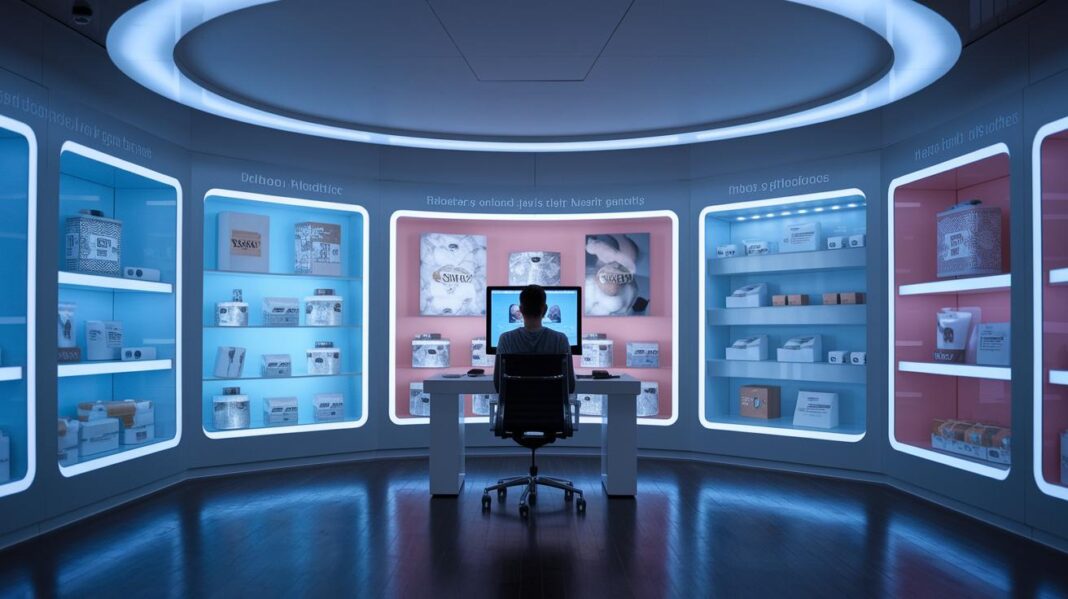

Have you ever wished online shopping felt more personal? With augmented reality, you can bring a bit of the real store experience right into your home. Using your smartphone, try on clothes or see how a new sofa fits in your living room before making a purchase.
This fresh twist on shopping is not only convenient, it also adds a layer of fun and confidence when buying. Retailers are catching on, and as AR becomes more popular, your online buys might soon feel as tangible as if you were really in the store.
Fundamentals of Augmented Reality in Ecommerce
Augmented reality shopping, as it's often called, is changing the way people browse and buy online. It lets you see digital items right in your own space using your smartphone or webcam. Imagine checking how a shirt fits or where that new sofa could go in your living room, AR makes all that possible by putting digital objects into the real world.
Unlike virtual reality, which often replaces your view with a fully simulated scene, AR adds useful digital elements to what you see every day. No need for expensive headsets, most of us already have a smartphone. With around 3 billion smartphone users globally, AR opens the door for more shoppers to enjoy a richer, more interactive experience without extra hardware. Retailers are diving into AR to offer a more lifelike shopping experience, bridging the gap between online convenience and in-store realism.
The financial potential of AR in retail is hard to ignore. Back in 2022, the AR shopping market was worth about $40 billion, and experts expect it to jump to nearly $1.2 trillion by 2032. As online platforms weave AR into their offerings, they not only boost sales but also keep customers engaged the way a real store might. This surge in growth clearly shows that AR is set to transform the retail world, making shopping more engaging and business success even more achievable.
augmented reality ecommerce Elevates Retail Experience

Augmented reality is reshaping how we shop online. By blending digital elements into the shopping process, retailers create experiences that feel as tactile as browsing in a store. This approach not only makes products look lifelike but also helps customers explore options and make decisions with ease, leading to happier shoppers and boosted sales.
Here are some key ways AR is used in ecommerce:
- Marker-based AR leverages image recognition to add digital objects onto what you see. It picks up on key features in your environment and places 3D models exactly where they belong.
- Markerless AR allows virtual products to appear anywhere in your space, without needing any fixed markers. This flexibility means you can see how items might really look in your own home.
- Location-based AR uses your geographic data to anchor digital content to real-world spots. It delivers tailored experiences by showing products or info based on where you are.
- Projection-based AR casts images onto real surfaces, mirroring how light interacts with objects to offer a detailed preview.
Thanks to recent improvements in hardware, like LiDAR and ToF sensors, smartphones now capture space far more accurately. This upgrade makes AR overlays smoother and more convincing, whether you’re virtually trying on a jacket or checking out a new gadget. Overall, these advancements bring a new level of realism and interaction to online shopping, helping buyers feel confident about their choices.
Measuring Benefits and Analytics in AR Ecommerce
In 2020, over 43 million social media users in the U.S. experienced AR features monthly, nearly one in five users got a taste of augmented reality in their feeds. And by mid-2020, around 35% of consumers had already used AR tools to preview furniture setup or even customize vehicles. Take IKEA Place as an example; it virtually placed furniture with 98% accuracy, helping buyers feel confident about their choices.
AR isn’t just a flashy new tech toy, it’s becoming a vital tool for retailers. By offering lifelike product demos, AR helps shoppers feel secure about what they’re buying, which in turn boosts conversion rates and keeps engagement high. It even helps lower product return rates and can bump up the average order value. When customers see a product up close and in a virtual setting that feels very real, it mimics the in-store experience and keeps them shopping longer.
In essence, AR transforms the digital shopping scene by blending technology with a personal touch. Retailers are tapping into detailed analytics to see exactly how these visual experiences drive sales and refine their strategies. This approach means they can swiftly adapt to changing customer tastes and expectations, making every online visit feel almost as reassuring as an in-store browse.
Practical Use Cases of Augmented Reality in Ecommerce
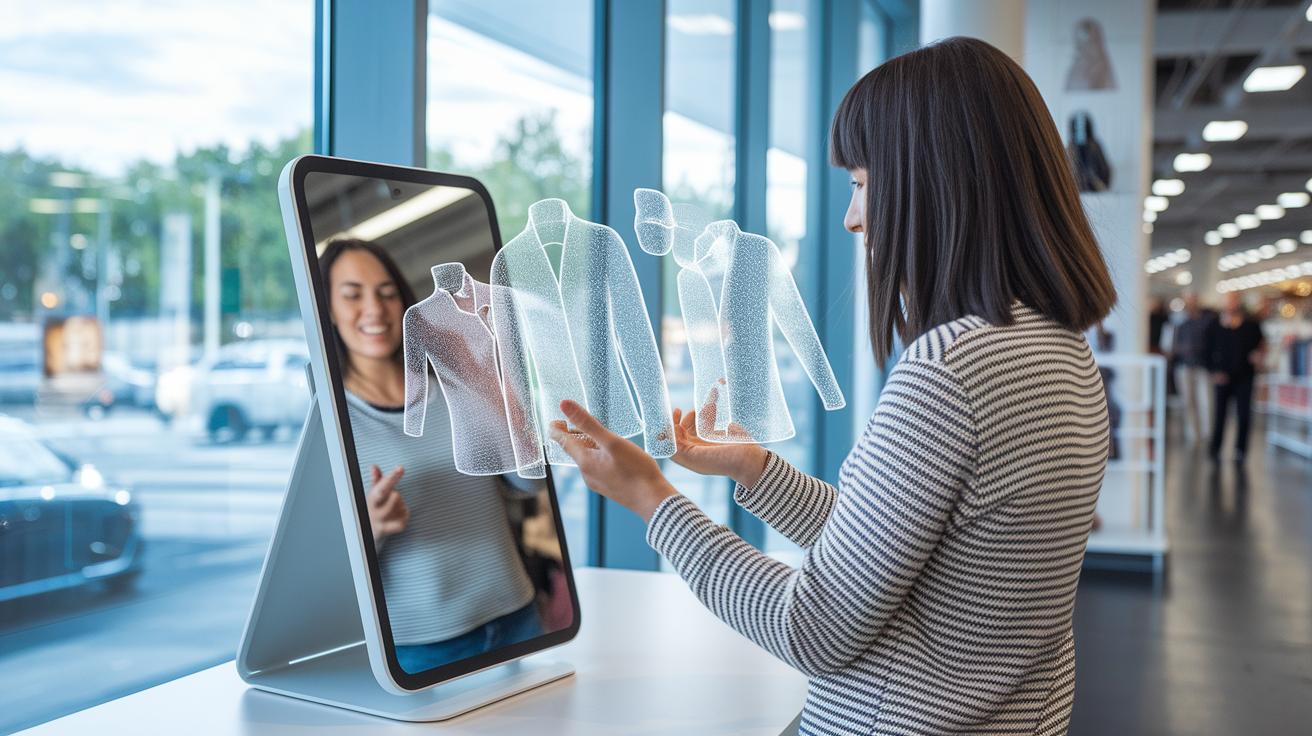
Augmented reality is reshaping online shopping by giving customers personalized, interactive experiences that feel almost as good as visiting a store. Retailers are now letting shoppers try on products virtually, view items from every angle, and even explore digital manuals. This means browsing everything from clothes to furniture feels more engaging and intuitive than ever.
- Virtual try-on solutions: These tools use 3D technology so you can see how a piece of clothing or an accessory fits on you in real time. It’s a quick peek at both style and fit before you decide to buy.
- Digital fitting room solutions: By mimicking a real fitting room, these apps let you virtually try on items like eyewear or watches. You can compare different pieces side-by-side, making it easier to choose the perfect one.
- Virtual product exploration systems: Imagine placing a piece of furniture right into your living space, much like what the IKEA Place app does. It helps you see how products look in your own home, at actual size.
- Interactive commerce demo apps: These apps overlay helpful demos and step-by-step guides onto what you see in the real world. They walk you through product features, making the buying process simpler.
- Mobile visual retail innovations: Brands are using AR filters on social media to let you experiment with different looks using your smartphone camera. This playful engagement builds brand loyalty and enhances digital presence.
These AR innovations boost customer confidence by making it easier to understand a product before buying. The crisp, interactive experiences lead to fewer surprises on delivery day and a smoother overall shopping journey.
Implementing Augmented Reality in Your Ecommerce Platform
Begin by nailing down what you're hoping to achieve with AR. Think of it like setting a clear destination, whether you want customers to see products in rich detail, enjoy interactive shopping, or even explore a virtual showroom. Ask yourself how AR can make online shopping feel more like an in-person experience while keeping an eye on your budget and timeline.
Then, choose the technology that makes sense for your goals. Look into top SDKs such as ARKit and ARCore to see how smoothly they can blend 3D assets with your product lines. Aim for tools that support immersive designs and interactive e-commerce hubs. For instance, Shopify AR and Amazon AR are great options if you're after a robust, easy-to-deploy solution. Often, these tools come with a manageable cost compared to other digital projects.
Next, build buzz around your new AR features with a strategy that seamlessly mixes eye-catching content and genuine customer engagement. Think demo videos and in-app guides that walk shoppers through the experience step-by-step. Also, create shareable posts for social media that highlight real-life examples of AR in action. This approach transforms your e-commerce site from a simple store into a fully immersive experience that invites interaction.
Real-World Case Studies of AR Ecommerce Success

Real-world examples show how AR transforms online shopping by connecting digital experiences with a tangible feel. It opens up a world where customers can interact with products in 3D, making them more confident in their choices and reducing the chance of returns.
Cambridge Satchel AR implementation
At Cambridge Satchel UK, customers can use AR to take a close look at every detail of a bag in vivid 3D. This feature invites shoppers to inspect the quality of the craftsmanship up close, building trust and sparking genuine engagement.
Gunner Kennels size-assessment AR
Gunner Kennels has introduced AR to allow buyers a realistic preview of kennel size and design. By visualizing exact product dimensions, customers can feel sure about their purchase decisions, especially for items where space matters.
Rebecca Minkoff 3D lookbook AR
Rebecca Minkoff takes viewer experience to a new level with AR-powered 3D lookbooks. This innovative twist lets customers explore collections as if stepping into a boutique, turning a routine browse into an interactive adventure.
Complex Networks pandemic AR rollout
During the COVID-19 pandemic, Complex Networks quickly integrated AR to keep the online experience fresh when physical stores were off-limits. This smart pivot not only maintained customer interest during tough times but also paved the way for ongoing digital innovation.
Emerging Trends and Future Outlook for Augmented Reality Ecommerce
Right now, AR in ecommerce is shaking things up. Think social media filters, virtual fitting rooms, and digital showrooms for home goods that let you explore products in a fun, real-life way. Retailers are using these smart digital tools to bring online shopping closer to the in-store experience, making it both engaging and easy to relate to.
On the tech side, innovations in both hardware and software are set to change the game even more. New gadgets like LiDAR and ToF sensors, combined with faster edge computing, promise AR experiences that are both sharper and quicker. This means virtual try-ons and product demos will soon feel incredibly natural and immersive.
Looking ahead, we’re seeing more long-term investments in AR platforms. While it might take a while for everyone to jump on board, early moves, like gamified shopping experiences and AR mirrors in stores, are already blending physical and online retail. This evolving mobile shopping journey is setting the stage for a lasting shift in how we shop online.
Final Words
In the action, this article explored augmented reality ecommerce by breaking down its fundamentals, core technologies, and real-time benefits. We discussed practical use cases, implementation tips, and real-world case studies that show how digital overlays boost engagement. We also highlighted emerging trends and smart analytics that guide better business decisions.
The insights provided offer a clear roadmap for embracing innovative tech in online retail. Every advancement in three-dimensional modeling and interface design sets the stage for a brighter, more interactive future.
FAQ
What are augmented reality ecommerce examples?
The AR ecommerce examples include virtual try-ons, digital overlays on websites, and interactive product previews that let customers evaluate products in a realistic, engaging way.
Who are some prominent augmented reality ecommerce companies?
The augmented reality ecommerce companies use innovative digital overlays and interactive apps, enabling customers to visualize products in their environment before making a purchase.
What is an AR ecommerce website?
An AR ecommerce website integrates digital product overlays into its design, allowing users to view items within their real-world settings using a smartphone or webcam.
What features does an augmented reality shopping app offer?
An augmented reality shopping app provides real-time product visualization, virtual try-on capabilities, and interactive experiences that replicate in-store engagement directly on mobile devices.
How does shopping with augmented reality work?
Shopping with augmented reality merges digital images with live camera views, allowing customers to place products into their surroundings and experience a more tangible shopping process.
What do augmented reality ecommerce statistics indicate?
The AR ecommerce statistics show strong growth in user engagement and sales, with impressive market value increases and improved conversion rates reflecting its rising popularity.
How is augmented reality used in marketing?
Augmented reality in marketing blends digital content with everyday settings to create interactive campaigns, which capture attention and build customer trust through engaging experiences.
How do ecommerce AR and VR differ?
Ecommerce AR overlays digital elements into the real world, enhancing everyday shopping, while VR creates fully immersive digital environments, offering distinct interactive experiences for consumers.