

Ever thought your voice could handle your shopping? With voice commerce, you simply tell a smart assistant to order your favorite items or help you discover something new. This technology uses smart speech recognition and easy-to-understand language tools that get better every time you use them. Imagine cooking dinner while you add ingredients to your shopping list just by chatting with your device. In this article, we'll break down how voice commerce works and explore why it's making shopping smoother and more tailored for today’s fast-paced lifestyle.
How Voice Commerce Technology Works and Its Key Benefits
Voice commerce works by merging voice commands into the online shopping experience. Instead of typing, you simply speak your order, as if chatting with a smart assistant, to reorder a favorite or search for something new. Using smart speech recognition, natural language processing, and machine learning, these systems get better with every interaction, learning to understand and respond more accurately.
Imagine the convenience of cooking dinner while asking your voice assistant to add ingredients to your shopping list. You can also get personalized ideas based on what you’ve bought before. Sometimes, a timely suggestion can even spark an impulse buy you hadn’t planned. Plus, checking out becomes as easy as saying a quick confirmation, all while your assistant is ready around the clock no matter the hour.
In 2024, there were 8.4 billion active digital voice assistants, highlighting just how common they’ve become. The market, valued at $34.21 billion in 2023, is expected to leap to $286.87 billion by 2033 with a steady growth of nearly 24% each year. Nearly half of U.S. shoppers, about 128.4 million, use voice search when they shop, and 74% of those have completed a purchase this way. With the Amazon Echo capturing more than two-thirds of the U.S. smart speaker market, it’s clear that voice commerce is reshaping shopping and drawing in more buyers every day.
Core Components of Voice Commerce: Speech Recognition, NLP, and AI Models
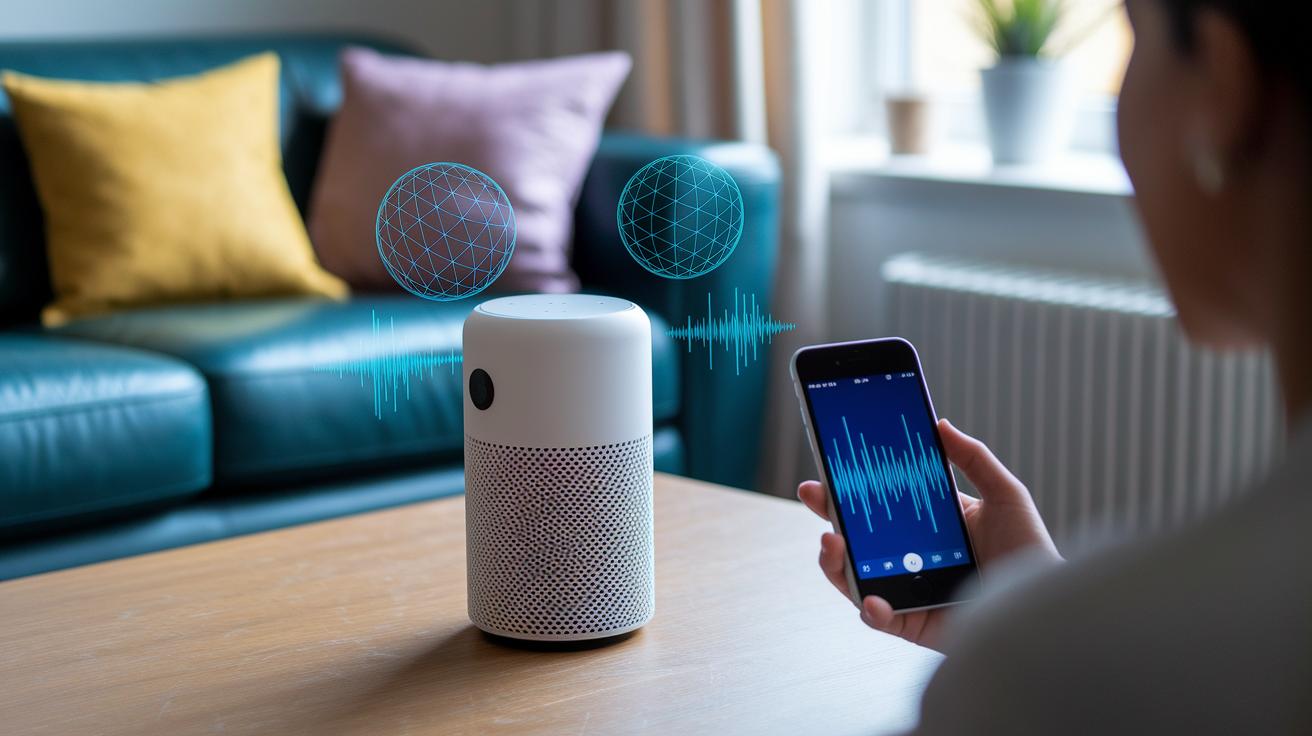
Voice commerce builds on a solid trio of technologies: automatic speech recognition, natural language understanding, and machine-learning modules. These smart tools work together to pick up your spoken commands, figure out what you mean, and even tailor replies based on your past behavior. Big players like Amazon's Alexa and Google Assistant use deep neural networks and clever algorithms to keep improving how well they understand and respond to you.
Automatic Speech Recognition
Automatic speech recognition turns your spoken words into text in real time. It listens carefully to sound patterns through deep neural networks, converting them into clear commands that guide your shopping experience.
Natural Language Understanding
Natural language understanding digs deeper to untangle what you're really asking. It looks at the meaning behind your words, considers previous interactions, and decides on the best response for a smooth conversation during your purchase journey.
Machine Learning for Personalization
Machine-learning systems build a picture of your preferences to tailor recommendations and enhance your experience. They catch subtle hints in your voice, ensuring that every interaction feels more personal and spot-on.
Even with all these advances, different accents and language styles can still be a challenge. Although systems like Siri handle over 17 languages, they are still fine-tuning the nuances of every dialect.
Voice Commerce Market Trends and Consumer Adoption Metrics
In 2024, there were about 8.4 billion voice assistants active around the world. In 2023, voice commerce pulled in roughly $42.75 billion, and experts expect that to soar to $186.28 billion by 2030, growing at a strong rate of 24.6% each year.
| Year | Market Size (USD) | CAGR |
|---|---|---|
| 2023 | $42.75B | N/A |
| 2030 | $186.28B | 24.6% |
| 2033 | $359.38B | 24.6% |
| 2034 | $448.90B | 24.6% |
Nearly half of U.S. shoppers now use voice search when they shop, and out of those, 74% have actually completed a purchase using voice commands. The Amazon Echo leads the pack by capturing over 67% of the U.S. smart speaker market, with urban centers showing even higher adoption rates.
Voice technology isn’t just for homes, it’s reshaping retail spaces. When integrated with smart devices and ambient commerce, it turns everyday environments into interactive shopping hubs. For instance, a store that set up IoT sensors and voice-activated kiosks saw a 30% boost in transaction speed, making the whole shopping experience smoother and hands-free.
Industry Use Cases for Voice Commerce Technology

Retail and Grocery
Big names like Walmart and Amazon are now using voice commerce to make shopping simpler. Imagine asking your smart speaker to reorder your favorite products without breaking your stride. Grocery stores have jumped on board too, they’re now offering voice-enabled shopping lists and smooth checkout processes that ease the rush of busy hours. This approach not only saves you time at the store but also helps managers keep track of inventory in real time.
Financial Services
Banks and other financial institutions are adding voice features like bill paying and checking account details to their services. With a quick spoken command and secure biometric verification, customers can complete transactions hands-free. Just think: you could confirm a payment by speaking, which is a real game-changer for anyone juggling a busy schedule.
Local and Food Services
Local businesses and restaurants are spicing things up with voice assistants that take orders and share key details like opening hours. For instance, Domino’s “Dom” bot makes ordering a pizza as simple as having a quick chat. Similarly, local shops powered by tools like Google Assistant let customers instantly learn when they’re open, what products are available, or even the status of their order.
| Voice Commerce Benefit | Real-World Impact |
|---|---|
| One-Command Reordering | Simplifies repeat purchases and saves time |
| Voice-Driven Lists | Makes grocery shopping more efficient |
| Biometric Security for Finance | Ensures secure, hands-free transactions |
| Quick Order Management in Food Services | Improves customer satisfaction with speedy service |
| Backend Integration | Must smoothly connect with the e-commerce tech stack |
Voice Commerce Technology Elevates Modern Retail
Creating a smooth voice commerce experience starts with a strong API backbone that connects voice assistants with your online store. Think of it as a well-coordinated team, API connectors, voice-friendly product catalogs, and smart schema mapping work together to let you place orders and handle payments through natural conversation. This setup not only improves command accuracy but also cuts down on data sync delays and lag. And yes, it needs to be flexible enough to work with platforms like Shopify, Magento, or WooCommerce, sometimes even needing a bit of custom coding to hit that perfect fit.
- Platform Selection – Pick a versatile digital commerce platform that easily supports voice interactions.
- API Integration – Set up reliable API connectors to bridge your voice assistant with your backend systems.
- Voice UI Design – Craft an interface that feels natural for voice-first interactions.
- QA Testing – Run thorough tests to catch issues with accents, lag, and any mapping mix-ups.
For tackling common challenges:
- Accent Handling: Train your model with a variety of voice samples to sharpen recognition.
- Data Latency: Optimize your server responses by using efficient API calls to cut processing delays.
- Schema Standardization: Develop clear mapping rules that neatly align voice commands with your store’s data.
- Performance Monitoring: Use real-time analytics to quickly spot and fix any issues that pop up.
The process doesn’t stop at launch. Keep a close eye on how things are performing and make adjustments as needed. Regular reviews and tweaks to your voice interface help smooth out technical bumps and adapt to changing customer expectations. In the end, this ongoing fine-tuning not only makes your system efficient today but also sets it up to easily welcome future advancements in AI voice integration, raising the bar for modern retail.
Security, Privacy, and Regulatory Considerations for Voice Commerce
Voice commerce uses voice recognition techniques, like voiceprints and two-factor voice checks, to keep each transaction secure. Imagine your spoken words turning into encrypted data that travels safely as you pay, it's a bit like having a digital guard by your side. This method meets strict security standards (think PCI DSS), ensuring that even hands-free transactions remain trustworthy and dependable.
Privacy is equally important here. With rules like GDPR and CCPA in effect, companies must get your clear consent, handle your data openly, and respect your wish to delete personal details when asked. It’s all about making your digital experience as safe as possible. For example, storing voiceprints in locked-down, encrypted space and processing sensitive data right on your device helps cut down on the risk of unwanted access or misuse.
| Security Practice | Purpose |
|---|---|
| Encrypted voiceprint storage | Secures your unique voice data |
| On-device processing | Limits exposure by handling data locally |
| Clear privacy notices | Keeps you informed about data handling practices |
Emerging Innovations and Future Outlook for Voice Commerce Technology
Ambient commerce is reshaping our daily lives by adding voice features almost everywhere you look. Think about smart appliances or even cars that let you speak your commands, the idea is making interactions feel entirely natural, whether you're at home or on the move.
- Ambient Voice Integration: This means adding voice controls to devices, both personal and public, so that talking becomes a seamless part of your day.
- Hybrid Voice-Visual UIs: By blending spoken commands with eye-catching on-screen cues, shopping turns into a smooth, intuitive journey.
- Edge-Based Speech Processing: Processing speech closer to the user speeds things up and cuts down delays, ensuring responses are quick and reliable.
- AI-Driven Voice Analytics: Using real-time data, these systems personalize offers and recommendations, boosting sales and keeping customers happy.
Retailers getting ready for this change must rethink their tech strategies. They need to invest in flexible, forward-thinking platforms that can weave together these diverse innovations. It’s not just about having the right digital setup, it’s about picturing voice as a complete, interactive experience. When brands adapt to these trends, they not only attract tech-savvy customers but also carve out a competitive edge in today's busy retail world.
Final Words
In the action, we explored how voice commerce technology uses speech recognition, natural language processing, and machine learning to power hands-free shopping, boost impulse buys, and reduce checkout friction. We also reviewed real-world use cases, integration challenges, and security practices to keep transactions safe.
Market trends and consumer adoption stats point to a bright future for voice commerce technology. Embracing these insights can help businesses make smarter decisions and drive sustained growth.
FAQ
Which companies specialize in voice commerce technology?
The inquiry about voice commerce technology companies spotlights businesses that embed voice services into retail systems using speech recognition, natural language processing, and AI to create hands-free shopping experiences.
What educational courses are available for voice commerce technology?
Voice commerce technology courses train professionals on incorporating speech recognition, natural language understanding, and AI into e-commerce, equipping them to design and implement voice-activated shopping systems.
How is voice commerce used in retail?
Voice commerce in retail uses voice assistants to let shoppers search, order, and pay using speech, streamlining the process for a more efficient, hands-free customer experience.
What role does Amazon play in voice commerce?
Amazon drives voice commerce primarily through Alexa-enabled devices, which allow consumers to order and reorder products seamlessly through voice commands, boosting convenience and accessibility.
How do voice-activated shopping and voice shopping work?
Voice-activated shopping and voice shopping both involve using voice commands to search for products and complete purchases, leveraging advanced speech recognition and AI to simplify the buying process.
What is the purpose of Voice of Commons in voice commerce?
Voice of Commons typically gathers user insights and feedback on voice interactions, helping companies refine their voice systems and improve the overall shopping experience.
How does social commerce relate to voice commerce?
Social commerce intersects with voice commerce by allowing users to engage on social platforms using voice commands, merging social interaction with the ease of hands-free shopping.
What is an example of voice commerce in practice?
An example of voice commerce is a customer using a smart speaker like Amazon Echo to place an order, where voice commands trigger a series of actions that result in a completed purchase.
Which device is most commonly used for voice commerce?
Amazon Echo is the most popular device used for voice commerce, as it leads the smart speaker market and efficiently handles voice commands for a range of shopping tasks.
What is another name for voice commerce?
Another term for voice commerce is conversational commerce, which highlights the interaction between consumers and digital storefronts through spoken language.
What does the future hold for voice commerce?
The future of voice commerce points toward broader ambient shopping, enhanced personalization with AI, and deeper integration with IoT devices, which will make hands-free transactions even more seamless.