
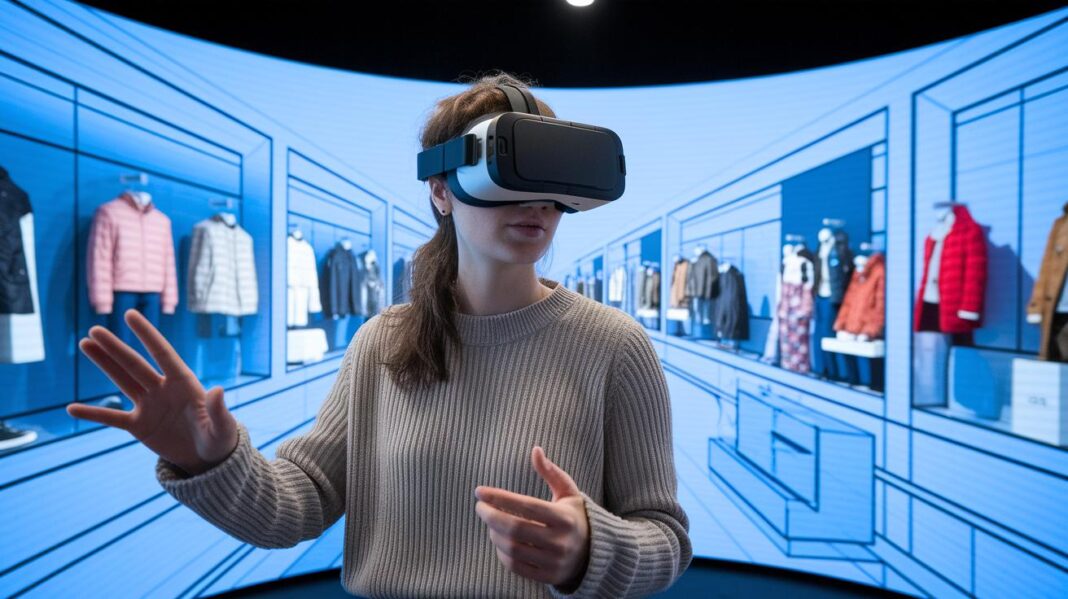
Ever wonder if online shopping could feel like entering a whole new world? Virtual reality is changing that experience. With just a basic headset, you can take a close look at products from every angle, almost as if you were really handling them. Retailers are now creating digital showrooms that resemble actual stores, making it easier to decide what to buy. This trend is turning online shopping into an interactive, almost hands-on experience that brings products closer to you than ever before.
Overview of Emerging Virtual Reality Applications in Online Retail
Virtual reality (VR) creates a fully digital world that you can explore with special gear like headsets, consoles, and even gloves. Unlike augmented reality, which adds digital touches to the real world, VR replaces your surroundings entirely. Imagine slipping on a headset and finding yourself in a vibrant, digital showroom where every detail grabs your attention.
Retailers are getting creative with VR to make shopping online feel more interactive and fun. With features like 360° product views and virtual showrooms, you can check out every angle of an item as if you were holding it in your hands. Some stores even offer guided tours that bring the experience of a physical store right to your screen.
This kind of immersive shopping not only helps you understand products better but also builds trust before you buy. When you can see and interact with items in a digital space, it feels a lot closer to actually being in a store. In fact, this hands-on approach is proving helpful in cutting down on the high rate of abandoned shopping carts, nearly 77% in some cases. It’s like getting a sneak peek of the real thing, giving you more confidence in your choices.
Immersive Storefront Designs and Interactive Product Visualizations
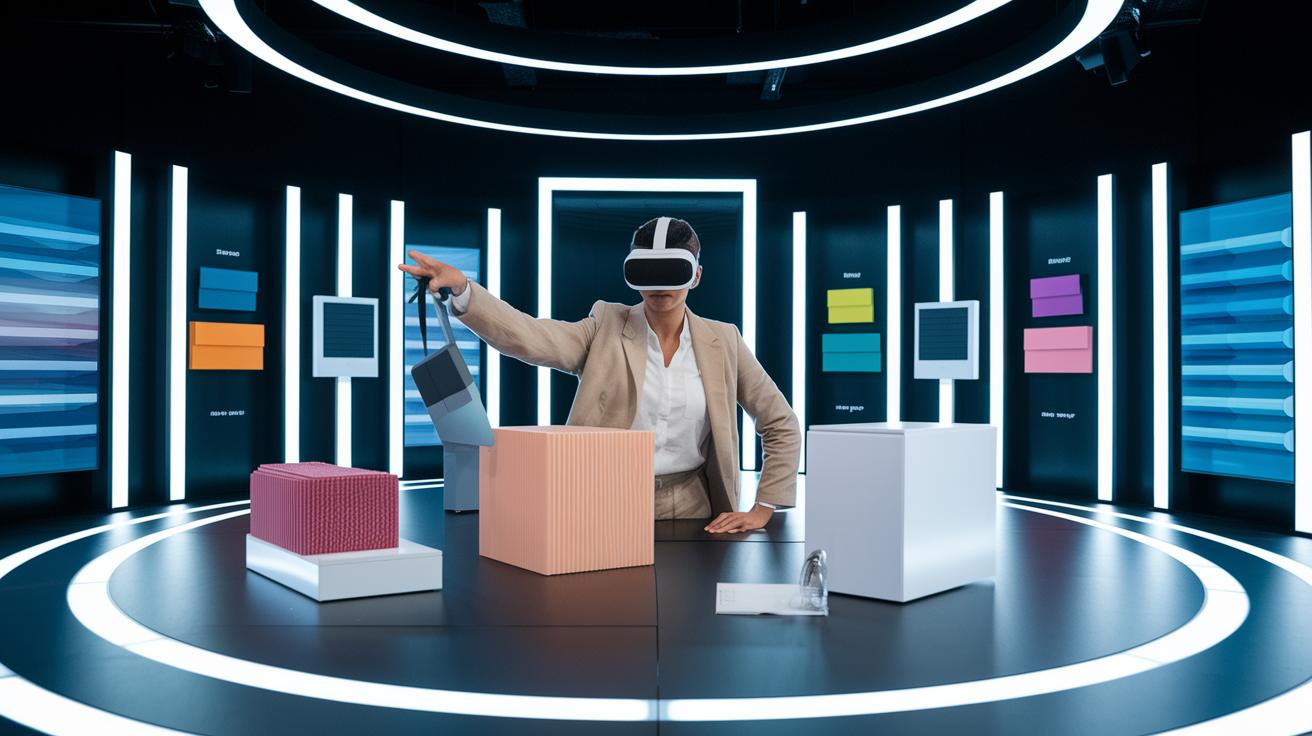
VR is completely changing the way we shop online. Instead of looking at a boring, static website, you’re stepping into a lively, interactive digital store. Retailers are using VR to show off products in 3D, letting you see items from every angle. Imagine playing around with a virtual showroom where a few clicks let you change colors, textures, and layouts, you really get to see the details. This shift makes online shopping feel as though you’re walking into a real store, thanks to tools that deliver real-time updates and a smooth, responsive interface built on cutting-edge tech for retail.
These VR-powered interfaces go beyond simple online catalogs. They offer an interactive experience that makes shopping feel almost like a personal tour in a brick-and-mortar store. You can enjoy detailed previews and guided tours that replicate that genuine, in-store vibe. New features such as product configurators and VR shopping assistants mean you get tailored recommendations while exploring each product thoroughly. This innovative approach helps you feel more confident about your choices and cuts down the hesitation that sometimes leads to abandoned carts.
- 360-degree product spin views
- Virtual showroom walkthroughs
- Interactive product configurators
- Guided VR shopping assistants
- Options to customize the environment
All these features work together to make online shopping more engaging and lifelike, helping you feel secure in every purchase decision.
Virtual Try-On Solutions and Customized Shopping Paths
Imagine entering a digital fitting room where trying on clothes feels natural and effortless, right from your living room. VR-powered simulations let you see outfits on your own digital avatar, giving you a real sense of the fabric, fit, and style, almost like you’re physically in a store. One retailer even discovered that virtual try-ons can boost engagement by making the online experience as hands-on as shopping in person.
Now, picture these realistic virtual fittings paired with smart AI that guides you through a personalized shopping journey. These advanced platforms learn your preferences on the fly and suggest fresh outfit combinations based on your past choices and current trends. Unlike augmented reality, which simply layers digital elements over your view, VR creates a complete, immersive space that adjusts to your style. It’s like having a personal stylist who helps you mix and match all in one go.
This blend of interactive virtual try-ons and custom recommendations not only makes shopping more fun, but it also builds real confidence in your purchase decisions. When you see how a piece looks on you in a customized digital space, you’re more likely to trust what you’re buying, making the checkout process smoother and more satisfying. It’s a game-changing approach that turns shopping into a trusted, engaging experience.
Case Studies: Brands Pioneering Virtual Reality in Ecommerce
When you see how real brands are using VR, it's clear that this technology is pushing online shopping to a whole new level. These case studies aren't just futuristic ideas, they're real proof that VR is transforming everything from employee training to customer interactions and sales.
For example, when retailers invest in VR, they deliver immersive experiences that captivate shoppers while also streamlining their back-end processes and strengthening customer relationships. Overall, these examples show that a smart, well-planned VR strategy can change market dynamics, paving the way for a more interactive and engaging shopping experience.
| Brand | VR Implementation | Launch Year | Key Outcome |
|---|---|---|---|
| Walmart | Oculus Rift employee training | 2017 | Improved training efficiency |
| Amazon | Six-year VR shopping R&D pilot | N/A | ~25% boost in pilot conversion |
| Alibaba | Singles’ Day VR store | 2016 | 20% increase in engagement |
All these brands share one common thread: they zero in on making experiences that truly draw in users. Whether it's through engaging training simulations, interactive product showcases, or unique marketing events, they've all designed VR projects that keep people interested.
Even though they use VR in different ways, from training employees to capturing more consumer attention, each case shows that a thoughtful approach to VR can easily overcome early hurdles like cost and integration challenges. Plus, these outcomes align with wider trends in ecommerce, underlining just how powerful immersive technology can be in retail.
In short, these pioneering efforts prove that when VR is used with care and insight, it makes online shopping more natural and exciting, a new standard for how we interact with digital storefronts.
Market Growth Forecast and Impact on Consumer Behavior
Global VR ecommerce is on the fast track. Experts forecast nearly 30% annual growth until 2028, and retailers are racing to offer a digital shopping experience that feels almost like visiting a store. Investors are taking note, too, as VR blends tech innovation with a touch of magic that brings products to life.
Online retailers face a constant headache, a 77% cart abandonment rate. But here’s the bright side: adopting VR could slash that rate by around 30%. By letting shoppers interact with products in a lively, hands-on way, VR builds trust and nudges buyers to complete their purchase. It’s like turning a hesitant "maybe" into a confident yes.
Different sectors are diving into VR in their own unique ways. Fashion brands now offer virtual try-ons so you can check the fit and style before you buy. Furniture stores let you visualize items in your own space with 3D models, and automotive companies give you a detailed virtual tour of their vehicles. Each of these innovations tackles specific challenges while boosting the overall shift in digital shopping.
As VR reshapes our shopping habits, consumers are making decisions in a whole new way. Immersive tech lets customers really explore products, which builds trust and satisfaction. The move toward interactive digital experiences is expected to deepen loyalty and increase repeat purchases. Retailers who invest in these technologies are not just following trends, they’re setting a new standard for customer connection.
Overcoming Implementation Challenges for VR in Ecommerce
The first big challenge is the high cost of getting into VR. Retailers need to buy advanced VR headsets, specialized controllers, and the software to run immersive worlds. For a small business, these expenses can be a real hurdle. Imagine a startup hesitating because of steep upfront costs and the need for constant software updates, it's a tough call.
Then there's the tech side of things. Merging VR systems with existing content management, fulfillment solutions, and payment gateways can be pretty complex. Old legacy systems can slow you down and even cause unexpected issues. Getting a smooth experience where the VR interface talks neatly with back-end operations like inventory tracking is no small feat.
A smart way to tackle these challenges is by rolling out VR in phases, using cloud-based VR services, and partnering with experts. Starting small with pilot projects lets retailers test the waters without a full-scale commitment. Cloud solutions cut down on heavy hardware needs, and teaming up with experienced VR providers can make the whole process much smoother. Step by step, you can upgrade your digital storefront without overwhelming your current systems.
Strategic Roadmap for Embedding VR into Ecommerce Platforms
Start small. Launch a trial project to test VR features on a limited scale. Think of it as building a mini virtual store that captures the real feel without going all in. This phase is all about experimenting and learning by getting feedback from a select group of users in a controlled setting. Use tools like Unity or Unreal to create digital environments that mimic physical storefronts. These tests give you a clear picture of any tech hurdles and how shoppers react, paving the way for a wider rollout.
Then, weave VR into your current tech setup while keeping an eye on performance. Align your new VR experience with your existing systems through a trusted digital commerce platform. Define simple success measures like how long people spend interacting with the VR store, any lift in sales conversions, and the frequency of repeat visits. At the same time, train your team so they can confidently handle and improve the new technology. This careful integration ensures your VR venture is not only smooth but also firmly rooted in proven ecommerce strategies.
Finally, keep refining and expanding. Gather user feedback and monitor performance closely. Analyze the data regularly and fine-tune your virtual features based on customer insights and team observations. This ongoing process helps you iron out any issues and gradually perfect the immersive shopping experience. Over time, these continuous upgrades will boost customer confidence and lead to even higher conversion rates.
Final Words
in the action, we saw VR go from explaining its basics to powering immersive storefronts and virtual try-on solutions. Case studies and market forecasts brought clarity to practical implementations and shifting consumer behavior, while overcoming challenges set the stage for a strategic approach. The blog outlined a clear roadmap for integrating VR into everyday online retail. Embracing virtual reality ecommerce trends can give businesses the actionable insight they need to boost confidence and drive conversion. Here’s to a future filled with innovative, engaging digital shopping experiences.
FAQ
What are virtual reality ecommerce trends in 2021?
The virtual reality ecommerce trends in 2021 highlight increased use of immersive digital environments where retailers offer 360° product views, virtual showrooms, and interactive experiences to boost shopper engagement.
How does virtual reality shopping online operate?
The virtual reality shopping online experience uses headsets and digital interfaces to simulate a real-world store, allowing customers to explore products in 360° and interact with virtual catalogs as if they were in a physical shop.
What is the function of an augmented reality shopping app in ecommerce?
The augmented reality shopping app function overlays digital information onto the real world, enabling shoppers to visualize products in their own space and try them virtually, which enhances confidence before making a purchase.
What role does Shopify play in integrating VR and AR in ecommerce?
The Shopify platform incorporates VR and AR tools that let merchants create interactive and visually rich product displays, blending digital experiences with traditional online shopping to improve customer experiences.
How do ecommerce AR VR applications differ in their approach?
The ecommerce AR VR applications bring together virtual and augmented reality, providing features like virtual try-on, customizable product views, and personalized digital shopping paths that create more engaging experiences.
How is augmented reality implemented in eCommerce?
The augmented reality used in ecommerce enriches product visualization by placing digital overlays on real-world objects, allowing buyers to preview items or test virtual fit within their own environment, which boosts purchase confidence.
How does IKEA incorporate virtual reality for retail innovation?
The IKEA virtual reality approach lets customers design and visualize interior layouts by virtually arranging furniture, giving a hands-on feel for product sizes and styles before committing to purchases.
How do virtual reality clothing stores improve the shopping experience?
The virtual reality clothing store format allows shoppers to explore fashion collections and virtually try on garments in an immersive setting, replicating the tactile experience of physical stores while driving better decision-making.