

Last week I met a new SAHM who sends a simple weekly 'loose plan' to our neighborhood mom group: park playtimes, coffee runs, drop-in toddler classes, evening yoga – all with open invites to join if the time works. No RSVP pressure, no curated parenting performance, just options to show up or not. It's a small change, but the vibe is contagious: low-pressure, inclusive, and refreshingly practical. This kind of casual, flexible coordination makes it easy to build friendships, fill lonely days, and let community grow naturally – exactly the energy more neighborhoods need. And it doesn't take a village leader – just someone willing to extend an open hand.
A Neighborly Habit: The Weekly 'Loose Plan'
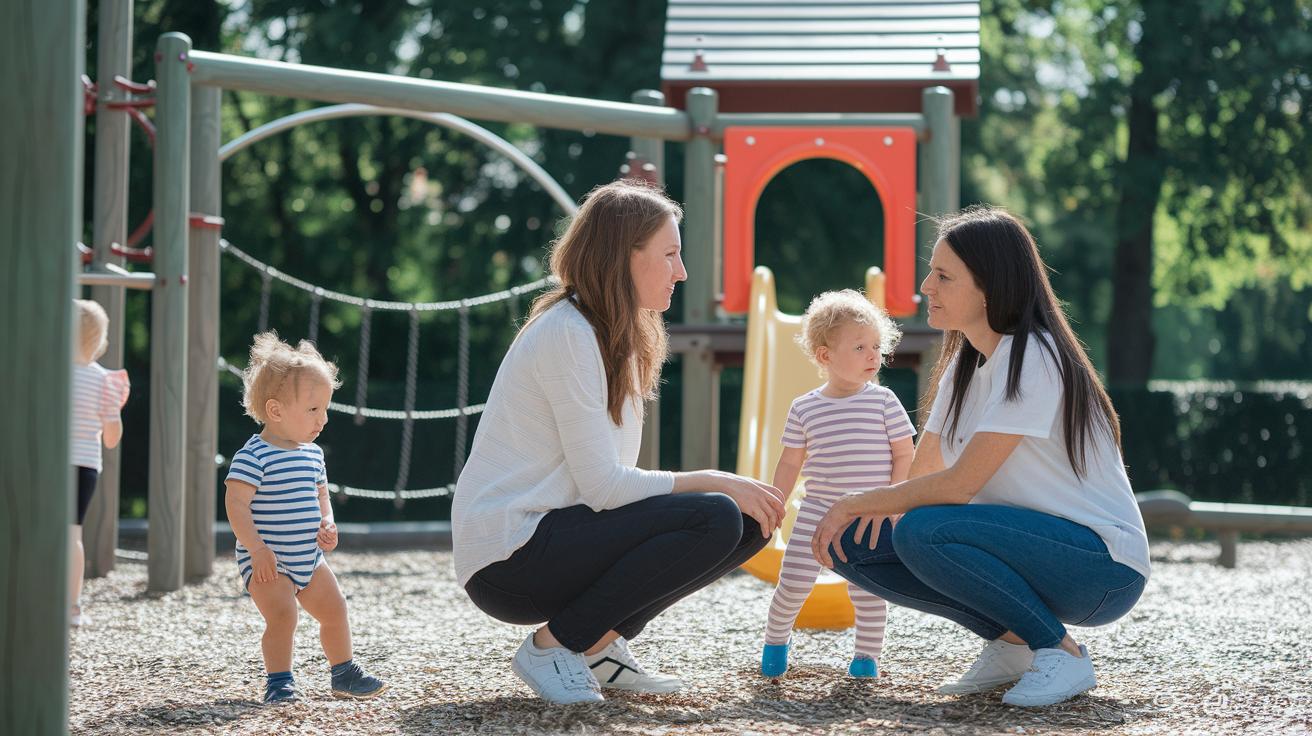
Last week I met a new SAHM who sends a simple weekly 'loose plan' to our neighborhood mom group: park playtimes, coffee runs, drop-in toddler classes, evening yoga – all with open invites to join if the time works. No RSVP pressure, no curated parenting performance, just options to show up or not. It's a small change, but the vibe is contagious: low-pressure, inclusive, and refreshingly practical. This kind of casual, flexible coordination makes it easy to build friendships, fill lonely days, and let community grow naturally – exactly the energy more neighborhoods need. And it doesn't take a village leader – just someone willing to extend an open hand.
Less Pressure, More Presence

That's the genius: framing outings as activities you'd already be doing rather than formal obligations removes the 'invite guilt.' When a parent sends a short weekly list – 'park at 9, coffee at 10, yoga at 5:30' – it's not an event to RSVP to so much as an open door. People can join if it fits; they don't feel compelled to arrange childcare, plan ahead, or be on their best behavior. This reduces stress for both the host and invitees, keeps the vibe casual, and makes community-building sustainable. Pro tip: keep messages short, honest, and stress 'no pressure' to encourage more participation.
Including Stay-At-Home Dads
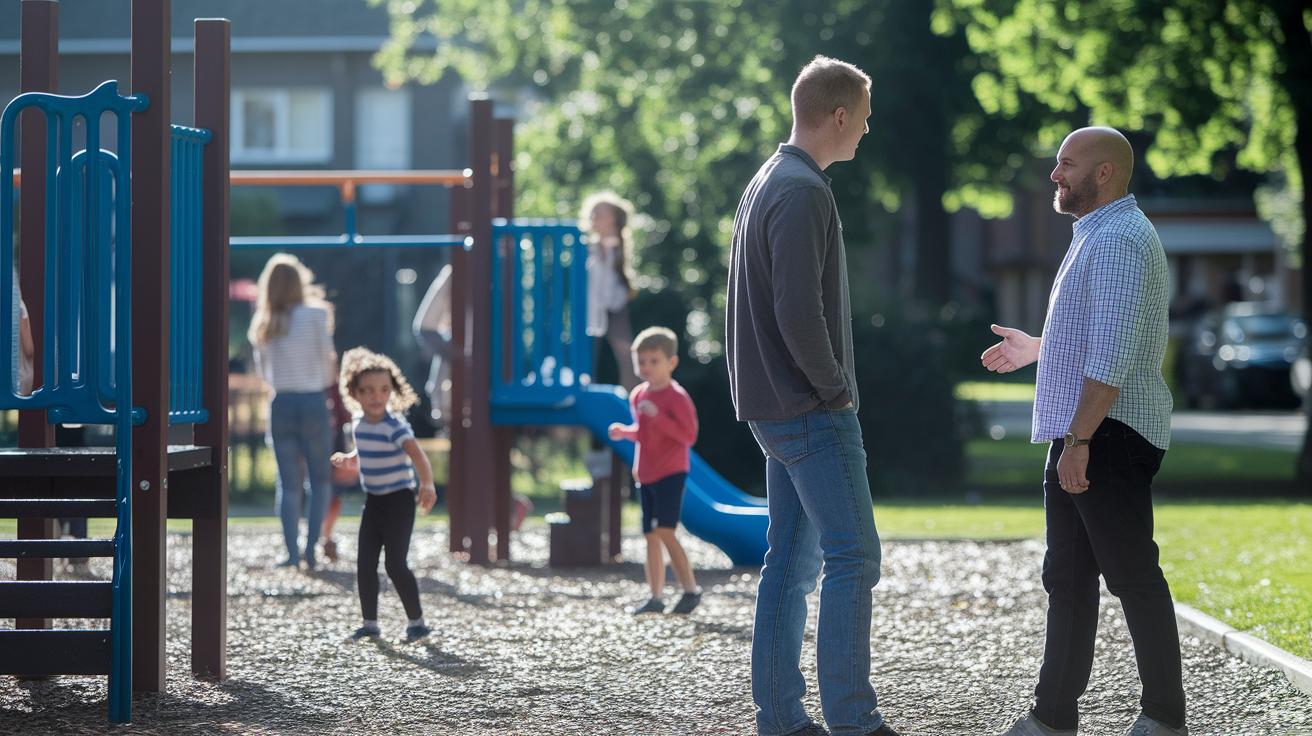
For stay-at-home dads who find weekday schedules isolating, loose, open invites can be a game-changer. Many dad-centric meetups skew toward 'alpha' activities – rough-and-tumble play, sports – which can feel exclusionary. When a neighborhood parent group lists simple, inclusive plans like 'park play at 10' or 'coffee and stroller walk at 9,' it sends a clear signal: any caregiver is welcome. Hosts can be explicit – 'parents and caregivers of all genders welcome' – and vary activities so different personalities connect. Encouraging SAHDs to lead a morning coffee or casual meetup also helps dismantle stereotypes and build friendships that actually fit their routines.
Letting Rhythms Find Each Other

The beauty of a loose weekly plan is that it lets patterns emerge naturally. After a few weeks of open invitations, you start noticing which families join the same things – the ones whose nap schedules, kid ages, and energy levels match yours. That organic sorting is better than forced matchmaking: it reduces awkwardness and makes friendships more durable because they're built on shared rhythms. To make the most of it, take note of recurring faces, suggest a one-off playdate for families who clicked, and accept that not every connection will stick. Over time you'll have a dependable circle that actually fits your daily life.
What a Real-Life 'Loose Plan' Looks Like

Her message is refreshingly practical: a concise weekly list of options with times and locations, plus a friendly 'join if it works for you' reminder. A simple template works best – day, time window, brief activity description, location, and an optional note about cost or bring-your-own. For example: 'Mon 9-11am: open toddler gym at X; Tue 10am: coffee at Y; Wed 5:30pm: yoga at Z. No pressure – come if it suits!' Adding a backup plan for weather and a line like 'parents/caregivers welcome' makes it inclusive. Keep the tone casual so people feel comfortable popping in.
How Busy Parents Can Still Plug In
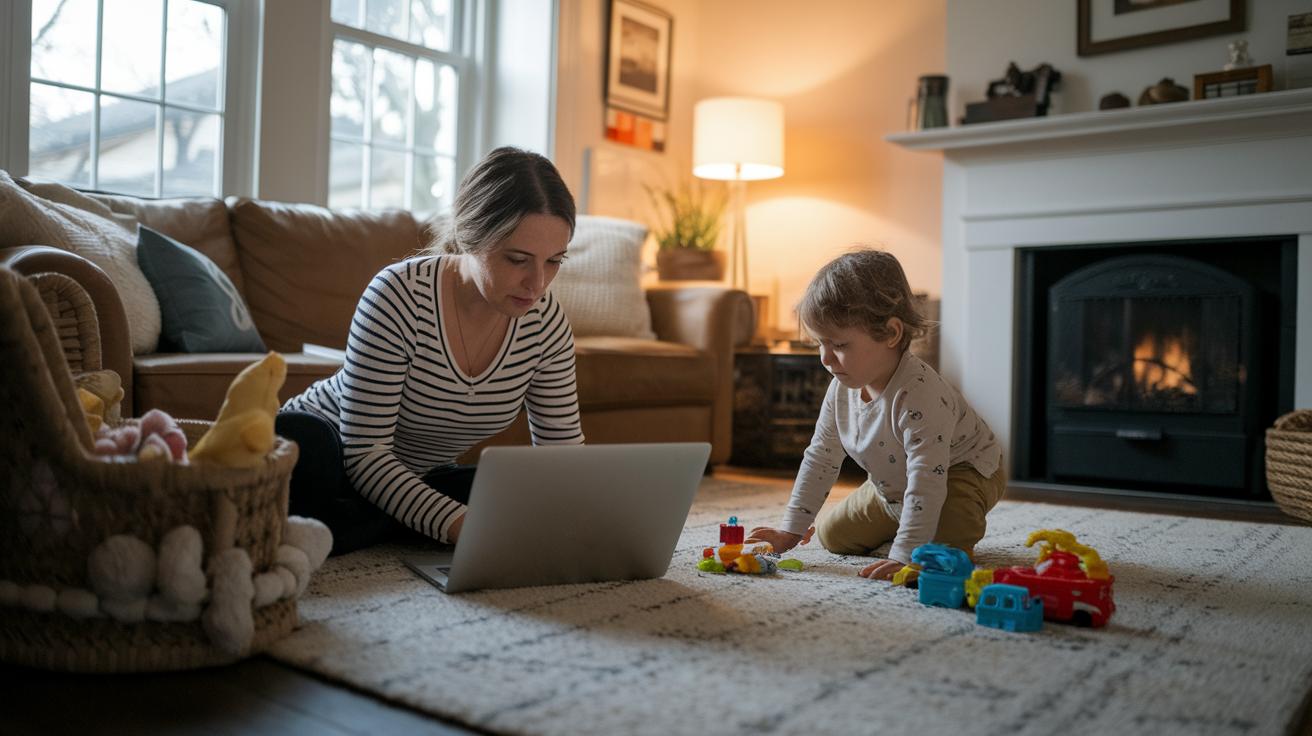
For working parents, the misaligned schedules can feel like exclusion – but an open weekly plan often still creates opportunities. Even if weekday mornings are impossible, knowing there's a nearby playgroup or occasional evening yoga makes it easier to squeeze something in. Hosts can help by occasionally listing late-afternoon or weekend options and noting 'working parents welcome' so people don't feel guilty. Simple gestures – sharing photos from morning play, rotating hosts for evening meetups, or suggesting one Saturday a month – make participation doable. That working mom's promise to try matters; praise and gratitude go a long way toward strengthening local community bonds.