

Have you ever noticed how some brands always seem to be one step ahead? More companies are now investing in creating seamless experiences, online and in-store alike. In fact, almost half of customer experience leaders plan to spend more than inflation next year, using smart tech like AI and modular commerce to meet growing consumer demands. It’s clear that real-time, personal connections across all channels aren’t just a bonus anymore, they’re essential. Let's look at the top trends driving a unified, engaging customer journey for the coming year.
Top Omnichannel Customer Experience Trends for 2025
Businesses are ready to invest more in customer experience next year – nearly half of CX leaders plan to boost spending beyond inflation. They’re putting more money into making sure every touchpoint feels seamless, and that means smoother interactions whether a customer is shopping online or in-store.
Consumer expectations are rising fast, pushing companies to quickly adopt new tech like AI, composable commerce, and real-time interactions. Although only a small slice of CX experts have fully tied together every channel, retailers know that connecting each step of a customer’s journey is the key to staying competitive.
Here are some of the trends shaping the future:
- AI personalization isn’t just basic targeting anymore – 73% of consumers now expect a level of service that feels truly personal.
- More investment in CX shows a clear commitment to bridging the gap between online and offline experiences.
- Composable commerce is on the rise, with 91% of businesses already using or thinking about modular solutions to easily scale up.
- Real-time interaction tools are changing how brands interact, making connections feel more immediate and genuine.
- Efforts to integrate different communication channels are growing as companies work to create a unified customer journey.
- New content workflows are aiming for conversational interactions, reducing the need for customers to repeatedly explain their needs.
- Retailers are blurring the lines between digital and in-store experiences, striving for a journey that feels continuously engaging.
These insights offer a clear blueprint for CX strategies in 2025. They remind us that smart investments, innovative tech, and a unified approach to customer care are essential for meeting growing expectations and building lasting engagement.
Cross-Channel Integration for Unified Omnichannel Customer Experience

Companies are embracing CRM integration to unite every customer interaction under one digital umbrella. By pooling data from email, social channels, and live chats into one system, like Omnichannel Ecommerce, businesses can serve up personalized support at every step. Just picture this: a dashboard that displays a customer’s past purchases, recent website visits, and social media interactions all in one simple view. Yet, only 16% of customer experience experts have fully put these ideas into practice, meaning many are still piecing together their separate systems.
Unified communication workflows are the secret sauce between marketing, customer service, and sales. When companies merge these channels seamlessly, customers enjoy a consistently smooth journey. Imagine a customer starting a conversation on social media that hops effortlessly over to your mobile app, with every bit of information updating in real-time. This not only cuts down on repetitive explanations but also builds trust through a reliable, connected experience.
In the real world, syncing data from various channels and training staff on new systems can be a challenge. Best practices recommend using easy-to-navigate dashboards and holding team collaboration sessions so everyone has the whole story at their fingertips. Even small tweaks can add up, making a big difference in how unified and engaging your customer interactions really become.
AI-Driven Hyper-Personalization in Omnichannel Experiences
Retailers are moving away from basic recommendations and embracing deeply personalized, data-powered interactions. Today’s AI doesn’t just recall what you bought before; it picks up on real-time signals, kind of like the barista who already knows your favorite blend. No wonder nearly three out of four customers expect fast, smart service that feels tailor-made.
Predictive analytics and real-time automation now fuel engagement across all channels. Smart systems keep an eye on behavior across websites, apps, and social media, then tweak messages and special deals on the spot. For example, a helpful chatbot can quickly address a concern and even predict what you might need next, ensuring every interaction feels uniquely supportive while the system fine-tunes its content just for you.
Seamless Online-Offline Synergy in Omnichannel Customer Experiences
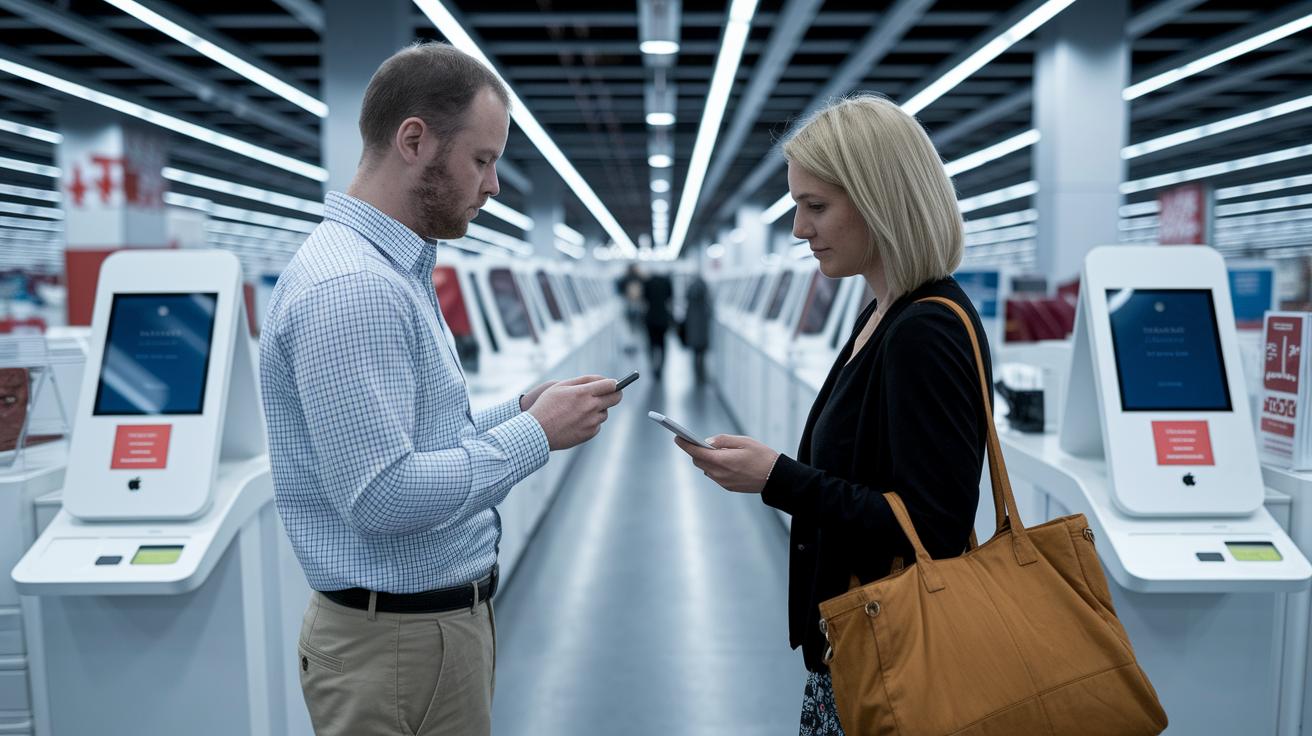
Recent studies reveal that nearly 60% of shoppers end up repeating their concerns when the digital and in-store systems aren’t well connected. And here's something interesting: 70% of customers are more willing to spend extra when every interaction feels natural and integrated. In simpler terms, having online, mobile, wearable, and in-store systems work hand in hand is more important than ever.
Think about mobile apps, interactive kiosks, and unified workspaces for support agents. These tools keep a comprehensive record of every customer interaction. For instance, mapping out both digital and physical touchpoints (more details on the Ecommerce Customer Journey here: https://omegamarkets.com?p=208) gives support teams a full history, meaning fewer repetitive explanations for customers.
One retailer recently brought together an online ordering system, in-store pickup, and real-time support. The result? Fewer repeated questions and a clear boost in customer loyalty. This smart mix of technology and attentive service creates a smoother experience that really meets what shoppers are looking for.
Innovations in Omnichannel Fulfillment and Logistics
Innovations in omnichannel fulfillment blend technology with smart tactics to keep pace with growing consumer needs. Retailers are now using automation and live tracking tools to handle deliveries with ease. These systems speed up order processing and offer adaptable models like buy-online-pickup-in-store and ship-from-store. With dynamic software platforms, businesses can keep a constant eye on orders and shift their inventory as demand changes. In short, modern logistics are clearing the way for a smoother customer experience.
Optimizing supply chains and warehouses boosts the omnichannel approach even further. Smart warehousing uses advanced management systems to streamline stock handling and tighten logistics routes. By rethinking storage layouts and using centralized control, companies are better equipped to manage busy periods and seasonal ups and downs. These practices cut down wait times and reduce mistakes, ensuring orders reach customers quickly and accurately. Overall, these improvements are key to digital retail transformation, helping brands meet changing shopper demands while delivering efficient, error-free service.
Embracing Composable Commerce for Scalable Omnichannel Strategies
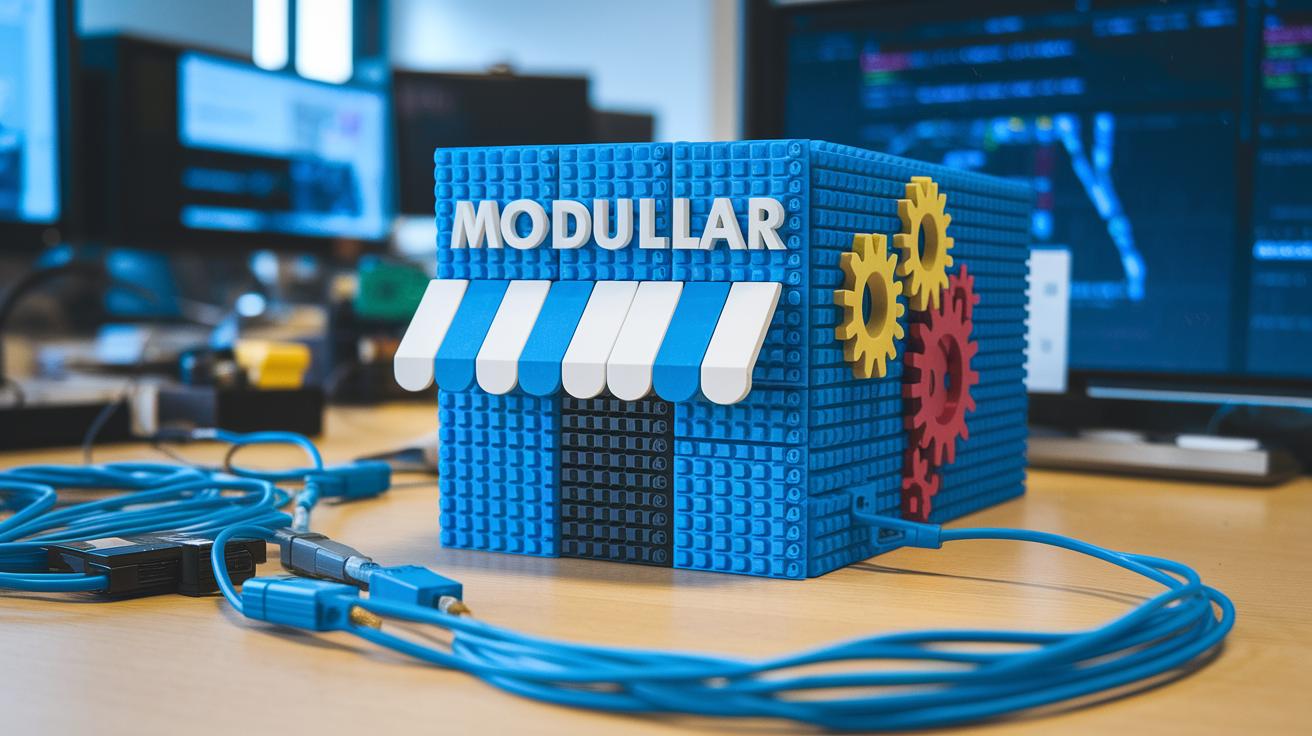
Composable commerce is changing the game in retail tech. It uses modular, API-first solutions that let businesses update their digital services quickly and easily. In fact, 91% of companies are already using or thinking about using this approach. That means retailers can add or remove features without having to rebuild the entire system.
This method cuts down on downtime and makes rolling out improvements much faster. Think of it like swapping out parts in a high-performance engine. Here's an interesting fact: before modern API integrations, retailers had to rebuild full platforms just to add a new feature.
At the heart of this trend are microservices integrations. Breaking down features into separate, mix-and-match services lets brands build adaptable customer journeys step by step. This smart, flexible setup keeps digital ecosystems nimble and ready to handle rising customer expectations, each component can be updated or scaled without throwing off the entire shopping experience.
KPIs and Analytics for Measuring Omnichannel Customer Experience Success
Measuring how well every part of your omnichannel approach performs is key. Businesses track essential numbers like the customer satisfaction score, Net Promoter Score (a quick way to gauge loyalty), the average time taken to solve problems, repeat purchase rates, and cross-channel engagement. When the data is clear, companies can quickly adjust to meet customer needs and build lasting loyalty, making sure every channel works smoothly together.
| KPI Name | Definition | Benchmark |
|---|---|---|
| Customer Satisfaction Score | The overall level of customer happiness | 80%+ |
| Net Promoter Score | A measure of customer loyalty | +50 |
| Average Resolution Time | The speed at which issues are resolved | < 24 hrs |
| Repeat Purchase Rate | The percentage of customers returning | 30%+ |
| Cross-Channel Engagement Rate | Customer interactions across various channels | 50%+ |
Regular reviews of these numbers help businesses spot weak areas and adjust on the fly. This ongoing analysis sharpens both digital and physical customer interactions, turning basic data into practical insights. Companies that tune into these metrics are better positioned to keep customers happy and drive long-term success. It's a smart, steady cycle of measuring, adjusting, and growing in a dynamic market.
Final Words
In the action, we covered critical updates that shape customer interactions, from aligning digital and physical channels to smart AI personalization and smoother logistics. Each section provided practical strategies and real-world examples to boost your approach.
These insights show how a balanced mix of tech and human touch drives growth. Embracing omnichannel customer experience trends sets the stage for smart, data-driven decisions that keep your business ahead. Stay inspired as you put these ideas to work.
FAQ
Frequently Asked Questions
Q: What were the key omnichannel customer experience trends in 2022?
A: The omnichannel customer experience trends in 2022 included a focus on seamless integration of digital and physical channels, real-time interactions, and improved personalization to boost overall service quality.
Q: What characterized the omnichannel customer experience trends in 2021?
A: The omnichannel trends in 2021 centered on streamlining digital-physical interactions, integrating customer data and communications, and enhancing unified engagement across web, mobile, and in-store environments.
Q: What does omnichannel customer experience mean?
A: The meaning of omnichannel customer experience is about connecting all customer touchpoints—from online to brick-and-mortar—to deliver a consistent service experience that meets personalized needs at every step.
Q: What are some examples of an omnichannel experience?
A: The examples of an omnichannel experience include synchronized online and offline shopping, integrated mobile and social media interactions, and customer service platforms that provide consistent, real-time support across channels.
Q: What are omnichannel trends today?
A: The omnichannel trends today focus on real-time data integration, AI-driven personalization, and the use of cloud-based solutions to streamline interactions and enhance consistency in customer service.
Q: How are omnichannel customer experience trends evolving for 2025?
A: The omnichannel trends for 2025 are evolving with increased investments, AI-powered hyper-personalization, and advanced fulfillment strategies that collectively aim to create smoother, more engaging customer experiences.
Q: How does omnichannel differ from multichannel?
A: The difference between omnichannel and multichannel lies in integration; omnichannel strategies connect all channels to form a seamless experience, while multichannel approaches often treat each platform as a separate service point.