
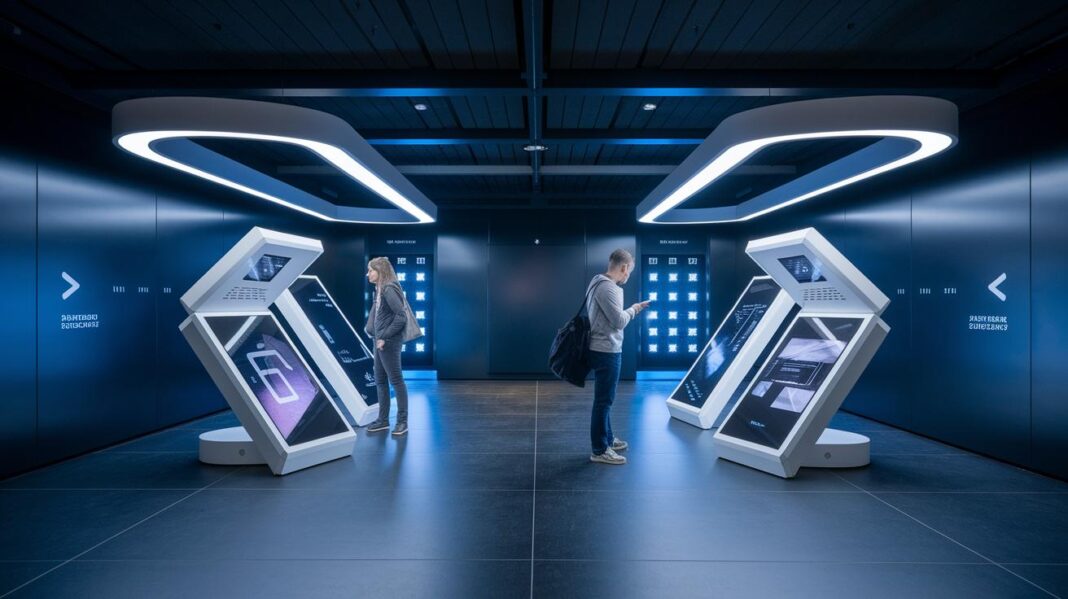
Ever wondered what the next big thing in online shopping could be? Trends show that retail is changing fast, driven by smart tech and mobile habits that completely reshape how we shop.
We’re seeing creative strategies and clever tools make our shopping experience smoother and more enjoyable. Personalized displays and mobile-first approaches are just the beginning. Imagine every click leading you to an experience that feels tailor-made and intuitive.
In this article, we break down these emerging trends and explore what they could mean for the future of ecommerce.
Comprehensive Overview of Ecommerce’s Future Trends and Forecasts

The digital marketplace is changing fast. In 2023, online sales in the U.S. accounted for 15.6% of all retail, driven by rapid tech growth and a strong desire for smooth shopping experiences. Global ecommerce sales jumped to $5.92 trillion in 2022 from $2 trillion in 2021. These numbers show not only expanded market reach but also how digital strategies are completely transforming retail. For more details, check out our latest trends at https://omegamarkets.com?p=.
| Year | Ecommerce % of Retail Sales | Global Sales ($T) |
|---|---|---|
| 1999 | 0.06% | $2 |
| 2023 | 15.6% | $5.92 |
| 2027 | 20.6% | N/A |
AI is a game-changer when it comes to revenue. Smart algorithms that customize product choices have boosted earnings by as much as 40%, and broader AI-driven plans are now adding an extra 10–12% in revenue. Imagine a store where every display is personally tailored to you. This kind of personalization not only boosts customer interaction but also raises the value of each transaction and streamlines operations.
More than half of global web traffic, over 55%, comes from mobile devices. This shift pushes brands to innovate with faster, more reliable mobile websites and apps. Embracing a mobile-first approach is essential for reaching more customers and driving ongoing growth in our ever more connected world.
AI-Driven Strategies Shaping the Future of Ecommerce

AI is transforming the world of ecommerce by creating shopping experiences that feel personal and run smoothly. Imagine browsing a website that seems to know just what you need , research shows that custom product recommendations can boost revenue by up to 40%. And have you noticed how helpful chatbots have become? Today, about 70% of customer interactions run through these friendly assistants, giving support any time of the day.
The benefits of smarter AI searches are becoming clear when bounce rates drop from a typical 20–45% to less than 15%. Meanwhile, new AI platforms are stepping in to handle merchandising and marketing tasks on their own, setting fresh standards for how businesses operate and engage with customers.
Behind the scenes, these AI tools are streamlining everything from stock tracking to inventory management. Retailers can now forecast demand more accurately using machine learning , which means fewer stock problems and a shopping experience that keeps pace with real-life needs. With AI at the helm, brands are building predictive shopping models and getting real-time insights at every step of the customer journey.
Key AI drivers in ecommerce include:
- Product recommendations
- Smarter search tools
- Conversational chatbots
- Automated inventory management
- Demand forecasting
Together, these innovations are reshaping ecommerce into a world that’s both efficient and deeply attuned to individual needs, much like having a conversation over coffee about the future of shopping.
Immersive Technologies Shaping Ecommerce Experiences

Augmented and virtual reality are really changing how we shop online. Retailers now offer AR/VR apps, much like IKEA’s virtual furniture preview, so you can see how a product fits in your own space before you buy it. This hands-on, immersive approach builds confidence and even cuts back on returns by up to 30%. Imagine exploring a new piece of furniture virtually and spotting exactly how it transforms your living room; it’s like bringing a showroom right into your home.
Voice-activated shopping is quickly becoming a favorite too. Around one in three internet users now uses voice search to explore products and gather information. And have you noticed how social media platforms like Instagram and TikTok have made buying as simple as scrolling through your feed? A few taps, and you’ve got your product, just like that.
Gamification is also adding a playful twist to the buying process. By introducing contests and tiered loyalty programs, online shopping transforms into a fun, interactive challenge that boosts engagement by about 25%. Think of it as taking on a fun challenge that rewards you with special perks, encouraging you to come back and see what’s new.
Blockchain and Payment Innovations in Ecommerce
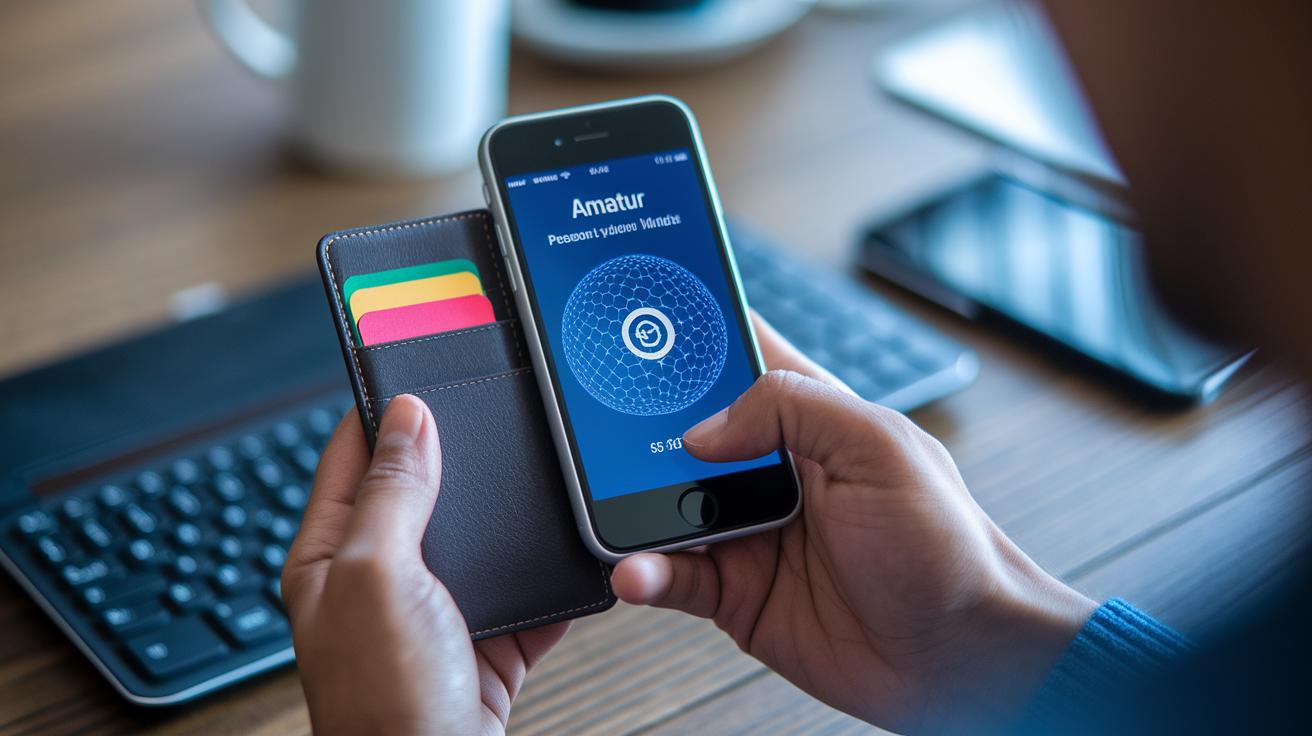
Blockchain is swiftly changing the world of payments. It uses decentralized ledgers to secure transactions and cut fraud by 40%. This shift builds trust and keeps digital purchases smooth.
E-wallets now save your payment details for one-click checkouts. Plus, buy-now-pay-later plans and mobile wallet options account for over 20% of checkouts in major markets. These modern systems speed up the process and reduce delays that can sour the shopping experience.
By adopting innovations like crypto and tokenization, businesses are now able to offer cross-border payments with much lower fees. New payment systems blend solid security with flexible options to deliver a seamless experience. This fresh wave of technology not only makes transactions safer but also encourages retailers to stay ahead in the fast-paced world of ecommerce.
Automation and Intelligent Supply Chains Powering Ecommerce
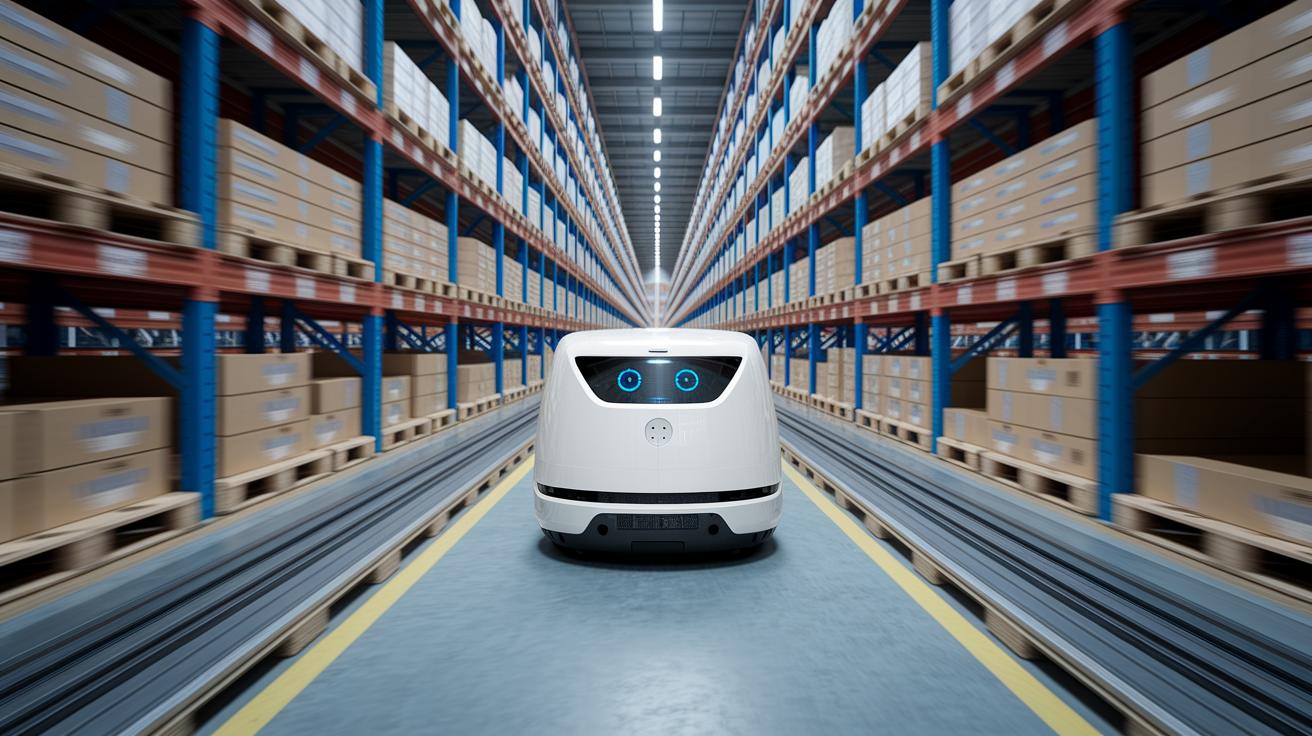
Robots and smart software are completely changing how logistics works. Nowadays, integrated systems handle everything from tracking inventory in real time to processing invoices and even monitoring a company’s carbon footprint. Picture a warehouse where robots speed up order picking by around 50%, each one hustling to get orders ready with perfect precision.
Smart stock analytics are also shifting the game for managing inventory. With predictive tools, retailers can cut down on both running out of products and overstock situations by as much as 30%. This means shelves stay balanced while financial performance gets a boost. Real-time tracking keeps you in the loop about stock levels, so adjustments can be made quickly, keeping customers happy and orders flowing.
Rapid fulfillment systems are stepping up in busy urban areas too. With streamlined processes and automated workflows, key cities now enjoy delivery times under 24 hours. This impressive efficiency in order processing drives ecommerce forward with both speed and reliability.
Sustainability and Consumer Behavior Trends in Ecommerce
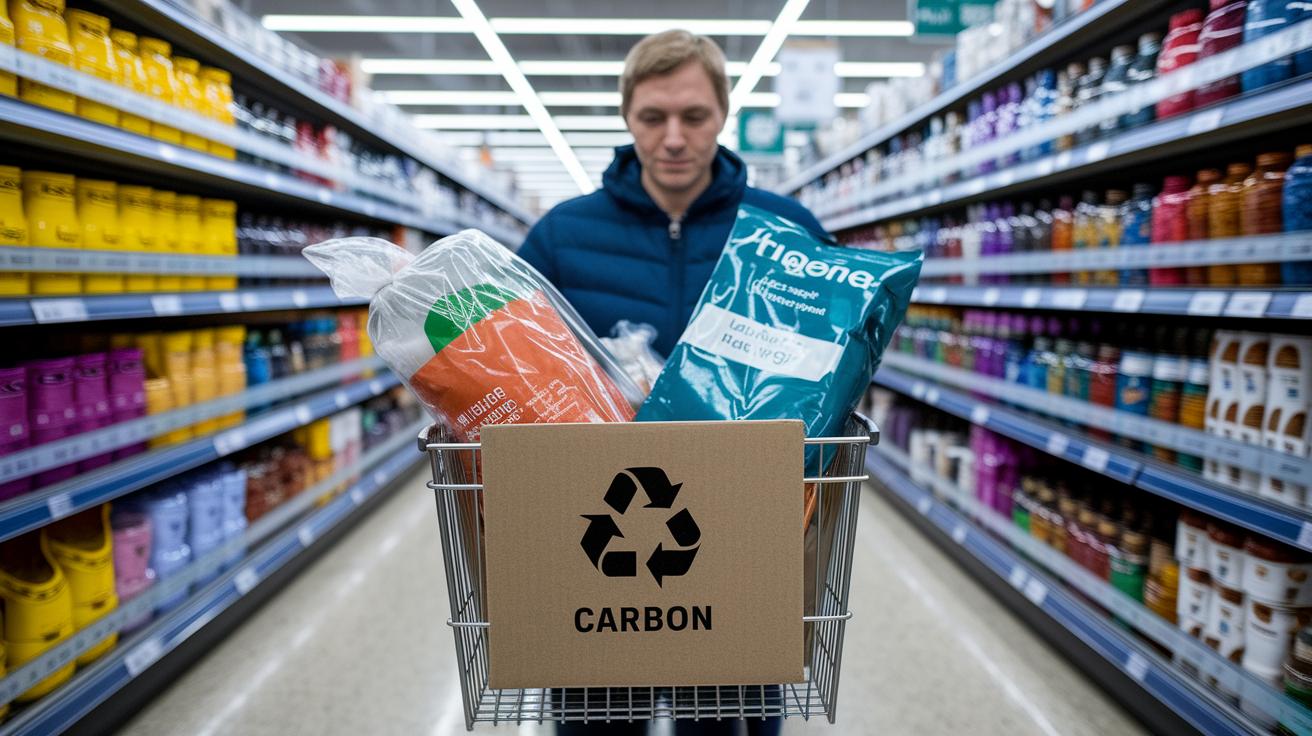
Big retailers are now paying closer attention to their impact on the environment. Companies like Amazon and Patagonia are making big moves by investing in carbon-neutral shipping and using recyclable packaging. This change does more than cut waste, it builds trust with customers who care about transparency and responsibility. And here's a fun fact: a retailer's commitment to sustainable practices can boost customer trust almost immediately.
Subscription models are also on the rise. Think about the popularity of beauty boxes, meal kits, and similar ideas that provide a tailor-made experience while creating steady, recurring revenue. Personalized deliveries are more than just a neat convenience; they give brands a chance to build long-lasting relationships with eco-conscious shoppers. Imagine getting a monthly package that not only surprises you but also supports a greener future.
Social proof now plays a huge role in driving purchases. Nearly half of online shoppers rely on recommendations from peers and verified reviews before making a decision. It’s pretty much like getting a friendly suggestion from someone you trust, simple, relatable nudges that make a big difference in buying behavior.
Today’s consumers expect eco-friendly lines with clear, honest sourcing. Shoppers are increasingly choosing brands that back up their green promises with genuine sustainability efforts. In short, ethical practices are becoming a central part of what makes the shopping experience both satisfying and trustworthy.
Omnichannel and Mobile Commerce Strategies for Future Ecommerce
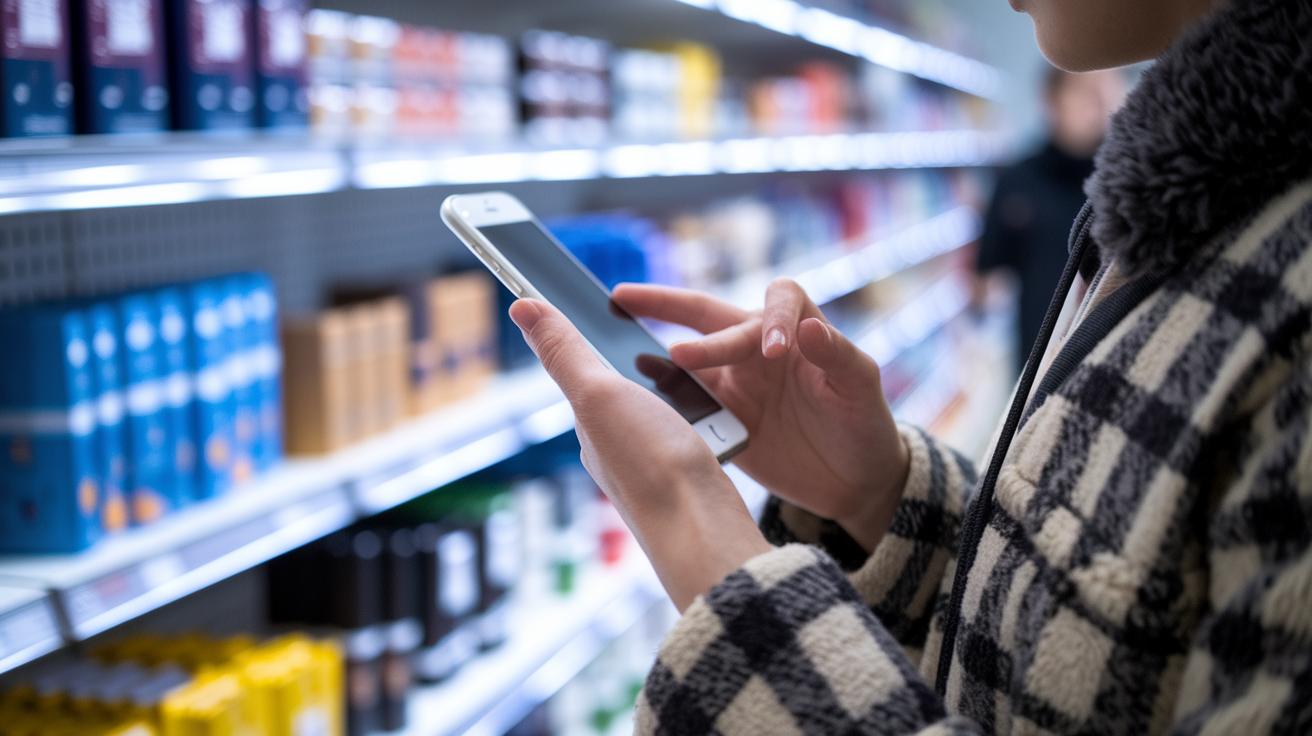
Businesses are blending online and offline experiences like never before. With more than half of web traffic and nearly 50% of e-commerce sales coming from mobile devices, companies are shifting their focus to mobile-first strategies. Think about how a Progressive Web App lets you enjoy the ease of web browsing while offering the speed and features of a native app to help you shop without a hitch.
Retailers are mixing the best of both worlds by merging physical stores with digital platforms. When websites, mobile apps, and brick-and-mortar shops work together, you get a smooth, consistent experience that can boost repeat purchases by up to 20%. And features like in-app social media checkouts can lower cart abandonment by 15%, a clear win for everyone involved.
In fact, these unified omnichannel strategies are reshaping the retail landscape. Companies that tap into these innovations see happier, more engaged customers and build stronger loyalty. Adopting mobile transaction tech isn’t just a buzzword; it’s a key move for brands aiming to thrive in the future. This smarter, more integrated approach to shopping is a real game changer, giving businesses the competitive edge they need to succeed.
Final Words
In the action, our review covered powerful shifts driving the digital commerce scene, from rising market shares and AI-powered strategies to immersive tech and blockchain innovations. Key data showed online sales climbing, consumer behavior shifting, and supply chains evolving into smarter systems. The analysis revealed how data-driven insights empower innovation and optimize customer experiences. Every example points to new opportunities and strategic advantages. Let's move forward with confidence as we shape a promising future of ecommerce.
FAQ
What is the future of ecommerce in the next 5-10 years?
The future of ecommerce in the next 5 to 10 years is driven by tech innovation, mobile shopping growth, and AI personalization, all working together to enhance online consumer experiences.
What trends define the future of ecommerce in 2025 and beyond?
The trends defining ecommerce in 2025 and beyond include faster mobile transactions, AI-powered recommendations, blockchain-based payments, eco-friendly practices, and unified shopping experiences across channels.
What is the next big thing in ecommerce?
The next big thing in ecommerce is advanced AI and immersive technologies like AR and VR that create interactive, personalized shopping experiences while streamlining payment and logistics processes.
Where can I find PDFs and essays on the future of ecommerce?
PDFs and essays on the future of ecommerce are available on reputable digital resources and industry sites, providing data-driven insights and detailed analyses of emerging trends and market shifts.
What are five key trends shaping ecommerce today?
Five key trends shaping ecommerce today include mobile commerce growth, AI-driven product recommendations, immersive AR/VR experiences, secure blockchain transactions, and automation in supply chain management.

