

Online shopping is at the brink of a big transformation. After the pandemic, ecommerce trends are reshaping how consumers interact with brands. Think of it this way: no-touch deliveries, speedy in-store pickups, and digital experiences that feel more intuitive are revolutionizing the retail scene.
Today’s buyers expect service that’s both fast and friendly, and businesses are stepping up to meet this challenge. In this article, we break down the key shifts that are fueling growth and explain why companies that adapt now are the ones set to succeed.
Core Post Pandemic Ecommerce Trends Revealed
Businesses need to catch on to these shifts if they want to stay ahead in a rapidly changing ecommerce world. Consumer habits and tech breakthroughs aren’t extra, they’re the building blocks of every smart online strategy. When you understand these trends, you can tweak your digital shop fast, offer a personal experience, and truly connect with buyers.
| Trend | Description | Impact |
|---|---|---|
| Contactless Delivery | Nearly two-thirds (64%) of shoppers now expect a no-touch delivery option because safety matters. | Builds trust and simplifies getting orders to customers. |
| BOPIS Growth | A 30% jump in Buy Online, Pick Up In Store in early 2021 shows how consumers now prefer quick pickups. | Streamlines shopping and makes logistics more efficient. |
| Direct-to-Consumer Expansion | Direct-to-consumer sales soared by 50% in key areas, breaking away from traditional retail methods. | Deepens brand connections by cutting out the middleman. |
| Enhanced Digital Experience | More than half of retailers have boosted site load speeds, drawing more engagement and driving conversions. | Fuels better sales and happier customers. |
| Alcohol & Accessory Sales Boom | A dramatic 74% spike in sales of alcohol and accessories in April 2020 highlights shifting shopping habits. | Signals that consumer tastes are evolving and retailers need to adjust. |
These insights are a wake-up call for rethinking almost every part of your online retail strategy. Companies are shaking up their business models, embracing digital upgrades, and promising quicker, friendlier service. As these changes roll out, consider shifting resources, modernizing your operations, and trying fresh marketing ideas. It’s all about keeping pace in a competitive post-pandemic market.
Digital Adoption and Platform Upgrades in Post Pandemic Ecommerce

Retailers simply can't ignore tech upgrades anymore. Old systems won't cut it when digital shoppers expect fast, secure, and flexible online experiences.
Many retailers are moving to cloud-based and headless commerce solutions, 85% made the switch between 2020 and 2022. Think of it like trading in a clunky desktop for a sleek laptop, opening up space for smarter features and a more resilient digital sales setup.
On the customer side, about 70% of retailers have refreshed their designs to work better on mobile devices. This change, along with faster site speeds, helped 40% of businesses boost sales by 20%. Plus, 55% of retailers have added AR-powered virtual shopping, making online shopping feel almost like being in a physical store.
Payment methods are getting a modern twist too. Around 65% of retailers have updated their payment systems to include digital wallets, which smooth out the checkout process. Together with new commerce platforms, these changes create a streamlined digital sales framework that meets today’s high consumer expectations.
Shifting Consumer Behaviors and Buyer Expectations After COVID
The way people shop has clearly shifted since COVID. Today, more buyers are making their homes cozy and rethinking their work needs. Recent figures show a strong tilt toward products that boost comfort at home, while traditional office wear is losing its appeal.
For example, items that enhance home comfort saw a 120% sales boost, highlighting the surge in efforts to create inviting living spaces. Meanwhile, business attire sales fell by 40%, a sign that remote work continues to reshape our professional lives.
Looking ahead, consumers are seeking more than just basic safety, they want real digital connections and trust. Retailers who deliver personalized, real-time online experiences are building loyalty that lasts. As the market evolves, companies must fine-tune their digital interactions to truly resonate with today’s buyer.
Multi-Channel and Omni-Channel Strategy Adoption in Post Pandemic Ecommerce

Hybrid shopping is changing the way we shop today. We now blend the online ease with the tangible feel of popping into a store. With safety and speed top of mind, retailers are mixing their brick-and-mortar charm with digital savvy to deliver flexible, contactless options.
Buy Online, Pick Up In Store
BOPIS took off in 2021, jumping by 30%. This change pushed retailers to rethink their order systems. They revamped logistics and even tweaked staffing and store layouts to speed up pick-ups while keeping safety a priority. Shoppers now enjoy ordering online and quickly grabbing their items without the hassle of crowded stores, a small change that makes a big difference in customer happiness and loyalty.
Ship-From-Store Models
Ship-from-store is also on the rise, with nearly 45% of top retailers adopting this strategy. By using local stock, businesses can deliver orders faster and cut down on shipping costs. Merging digital and in-store inventory systems has led to fewer errors and smoother operations. The result is lower fees and quicker deliveries, keeping everything lean and efficient.
Another trend worth noting is marketplace diversification. About 70% of brands now list their products on three or more channels beyond the usual outlets, and 60% blend in-store, online, and even mail-order experiences. With these integrated multi-channel strategies, retailers are boosting contactless transactions and building a robust, consumer-friendly ecosystem in our post-pandemic world.
Supply Chain Resilience and Fulfillment Innovations Post Pandemic
Today, having a strong supply chain is a must for retailers trying to keep up with growing customer demand in a changing market. Disruptions are now a regular part of the scene, so many companies are rethinking their logistics to avoid delays and ensure smooth, reliable service. This push for greater resilience has sparked a host of new innovations throughout their operations.
Retailers are increasingly turning to digital tools and real-time monitoring systems. Since 2020, almost 68% of businesses have invested in supply chain digitization, giving them a clearer picture of inventory and helping them quickly adapt to any hiccups. Imagine a system that alerts you about a potential delay before it even happens – that’s a big win in today’s fast-paced world.
No-contact deliveries and autonomous delivery pilots are also stepping into the limelight. Around 55% of retailers now use no-contact methods to put customers at ease and keep operations running smoothly. Meanwhile, early tests with automated delivery models are paving the way for safer, quicker logistics that cut down on human intervention without sacrificing service quality.
On top of that, micro-fulfillment centers and automated warehouses are transforming inventory management. In 2021, micro-fulfillment centers grew by 35%, and 40% of retailers have now adopted automated warehousing technology. This means products can be stocked locally and orders processed faster than ever before. These smart innovations streamline every step, setting the stage for agile, efficient supply chains in the future.
Mobile Shopping Surge and Contactless Transactions in Post Pandemic Ecommerce Trends
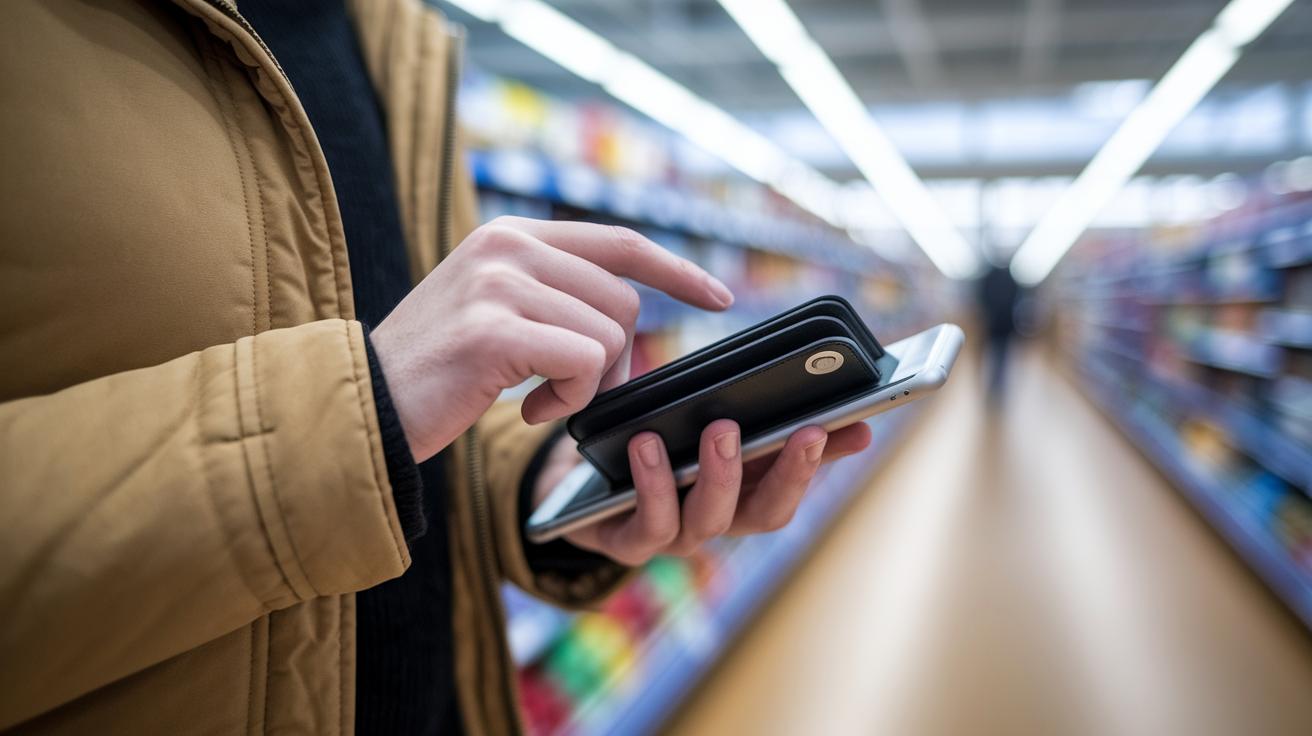
Mobile commerce now accounts for over half of all online sales. In 2022, smartphones powered 54% of ecommerce revenue, showing just how important mobile shopping has become. Businesses are taking notice and refining their mobile sites to match this trend.
Retailers are stepping up their game by using responsive designs and app-based experiences that catch the customer’s eye. In fact, 72% of retailers have improved their mobile checkout processes to ensure a smooth, hassle-free experience. On top of this, digital wallets are becoming a popular way to pay, usage jumped 30% in 2021, making transactions both secure and contact-free.
- Mobile channels generated 54% of total ecommerce revenue in 2022
- Digital wallet usage grew by 30% year-over-year in 2021
- 72% of retailers enhanced their mobile checkout flows
- Contactless payments now account for 45% of all online transactions
Seamless mobile checkouts and digital wallet integrations are now a must-have. By simplifying the payment process, retailers let customers complete purchases with just a few taps. This not only speeds up the checkout but also builds trust, offering a secure and pleasant experience. In today’s fast-paced market, every tap counts.
Personalization and Data-Driven Experiences in Post Pandemic Ecommerce Trends
In today’s bustling digital marketplace, personalization isn’t just a bonus, it’s what shoppers demand. Consumers expect their online experiences to mirror their personal tastes and needs. Retailers now dig deep into customer data from the very first click to forge genuine connections and spark lasting engagement.
Analytics and customer relationship management systems are at the heart of this tailored approach. By looking at behavior patterns, purchase histories and even browser activity, businesses can craft recommendations that hit home. It’s a bit like having a conversation where every reply feels handpicked just for you. This method not only boosts sales but also builds strong, long-term loyalty.
AI-powered chatbots and live support tools have completely changed the game. They’re always ready to help in real time, whether you have a quick question or run into a tech hiccup. That immediate assistance smooths out the shopping experience, much like chatting with a friendly expert who’s got your back.
| Percentage | Insight |
|---|---|
| 63% | of shoppers expect individualized product recommendations |
| 48% | of sites now deploy AI chatbots for real-time support |
| 22% | of overall online sales come from social commerce channels |
| 25% | boost in engagement from AR shopping trials |
Social selling is getting a fresh twist, blending classic outreach with the latest digital innovations. Retailers are experimenting with immersive augmented shopping experiences that let you virtually try products before buying. By tapping into everything from detailed data to smart AI personalization, they’re turning everyday browsing into a fun, interactive adventure.
Post Pandemic Ecommerce Trends: Positive Growth Ahead

Forecasting is key to setting up smart strategies that help retailers look ahead. When businesses predict market changes and adjust early, they stay competitive and grab new opportunities in a fast-changing ecommerce world.
- E-commerce is on track to grow around 25% per year through 2025, paving the way for a big market boost.
- Nearly 40% of retailers are gearing up for autonomous delivery trials by 2024, marking a move toward creative logistics solutions.
- By 2023, about 30% of fashion websites are set to roll out virtual fitting rooms, blending modern tech with the shopping experience.
- And in the next two years, 70% of companies will boost their AI-powered commerce tools, making online shopping feel more personal and smooth.
Planning for different future scenarios and building strong innovation roadmaps can really help retailers face uncertainties head-on. By exploring various possible futures and investing in quick, crisis-driven changes, companies can better understand shifts in consumer behavior and tech trends. This hands-on approach keeps businesses flexible, turning potential hurdles into golden opportunities for long-term success in the digital arena.
Final Words
In the action, this article spotlighted key shifts redefining online retail, from technology upgrades and resilient supply chains to evolving consumer behaviors and multi-channel strategies. Short insights illustrated how improved UX, mobile integration, and data-driven personalization are fueling a market reimagined by change. Every piece of the analysis underscores the importance of agile strategy and innovation in today’s market. The insights shared here empower smart moves as we ride the wave of post pandemic ecommerce trends with optimism.
FAQ
What does post pandemic consumer behavior look like in e-commerce?
Post pandemic consumer behavior shows a shift toward online shopping, with more emphasis on contactless delivery and mobile-friendly experiences to meet increased expectations for safety and convenience.
How did COVID-19 affect the e-commerce landscape?
COVID-19 accelerated digital adoption, pushing retailers to improve website performance and integrate virtual experiences, which significantly boosted online sales and reshaped traditional shopping models.
What are the latest trends shaping e-commerce post COVID?
The latest trends focus on omni-channel strategies, platform upgrades, and personalization through data insights, driving retailers to enhance digital experiences and meet modern consumer demands.
What is the next big thing in e-commerce and consumer trends?
The next big shift in e-commerce revolves around advanced mobile optimization and personalized shopping using AI and AR, ensuring retailers can offer customized and real-time support.
What do consumer trend forecasts for 2025 and beyond indicate?
Forecasts suggest ongoing rapid growth in e-commerce, with retailers prioritizing faster site speeds, streamlined digital payment options, and integrated multi-channel shopping to boost revenue.
What does “revenge spending” mean in the context of post pandemic commerce?
Revenge spending refers to the surge in consumer purchases after lockdowns, where buyers splurge on goods once restrictions ease, leading to notable increases in sales across various categories.