

Ever notice how some online shops blow up while others barely make a dent? Nearly every customer starts with a search engine, so relying on outdated SEO tactics is a real gamble. The e-commerce world is growing fast, and fresh, clever SEO strategies are making all the difference. Today, we’re breaking down some simple, forward-thinking trends that can boost your site’s visibility and drive success. Ready to see how smart SEO can turn your website into a digital game changer?
ecommerce SEO trends Ignite Market Success
In 2023, the global e-commerce market hit $5.8 trillion and is expected to hit $8.1 trillion by 2026. Nearly every online journey – about 93% – starts with a search engine, reminding us just how key visibility is in today’s digital world. With more stores competing for attention, following the latest trends isn’t optional, it’s essential. For instance, in 2024, an impressive 12 to 15 new online shops launched every minute, spotlighting the market’s rapid growth. For more details, check out insights at OmegaMarkets.com.
Sadly, most of these new ventures don’t last, with fewer than 10% making it past their first year. Many struggle because they stick to weak SEO techniques that simply don’t cut it anymore. To stand out, businesses need to focus on smart strategies like using long-tail keywords, refreshing their content regularly, and adding trust signals. It’s a bit like putting together a storefront with a warm, inviting window display – if it doesn’t catch the eye, customers just keep walking.
Google’s newest algorithm updates now reward websites that deliver an outstanding user experience along with detailed product information. This means enhancing user experience, enriching product descriptions, and adding interactive features have all become essential. By combining engaging visuals with reliable data, retailers help customers quickly find exactly what they’re looking for. All these refined approaches to e-commerce SEO are setting the stage for market success well into the future.
Technical ecommerce SEO trends for ranking improvement

Building a strong technical base is key because it helps search engines index your site quickly and accurately. When you fine-tune essentials like site speed and mobile-friendliness, the user experience improves noticeably, which can boost your search rankings. In our fast-paced digital world, even a tiny delay or a clunky layout can send potential customers running. Fun fact: optimizing your Core Web Vitals can boost organic traffic by up to 40%! That’s why regular technical site audits are so important.
| Metric | Impact on Traffic | Recommended Threshold |
|---|---|---|
| Largest Contentful Paint | Faster load times can drive up to 40% more traffic | Less than 2.5 seconds |
| First Input Delay | Quick interaction improves user engagement | Under 100 milliseconds |
| Cumulative Layout Shift | Stable visuals help maintain user attention | Below 0.1 |
Mobile optimization continues to be a game changer. With mobile commerce set to claim nearly 73% of sales by 2025 and top sites drawing around 80% of their traffic from mobile devices, it’s clear that catering to mobile users is non-negotiable. Plus, using HTTPS is now essential, it not only improves rankings but also keeps customer data secure. And if you’re working with API-driven or headless CMS platforms, managing your crawl budget well is crucial to ensure key content is indexed effectively, which ultimately boosts your site’s performance and visibility.
Content optimization for modern ecommerce search success
Quality content that speaks directly to the user is more important now than ever before. These days, detailed product guides and thorough explanations beat out generic, repetitive posts. Google’s updated E-E-A-T framework, focusing on expertise, experience, authority, and trustworthiness, rewards content that feels real and well-informed.
When you dive into the world of ecommerce, think of it like setting up a cozy shop where every detail matters. Instead of flooding your site with high-volume, one-size-fits-all posts, focus on crafting in-depth stories that answer your users’ questions and build trust. The trend is clear: pages that offer genuine insight, including authentic reviews and discussions from places like Reddit and Quora, have a leg up in today’s search world. And with more than half of searches ending without a click, winning those featured snippets and aligning with search intent has become essential.
- Apply E-E-A-T principles in descriptions
- Embed user reviews and FAQs
- Use long-tail, conversational keywords
- Optimize for zero-click SERPs (titles/meta)
- Schedule recurring content audits
Staying current is key. Balancing evergreen content with timely updates that mirror today’s trends keeps your pages both authoritative and relevant. Retailers who invest in solid, long-lasting content, then refresh it to match new customer insights and algorithm changes, will consistently be at the top of their game in the fast-moving digital marketplace.
AI-driven and voice search ecommerce SEO strategies

AI and machine learning are completely changing the way ecommerce sites appear in search results. Rather than relying on old tactics like keyword stuffing, today's search engines look at what the user actually means. Tools such as BERT and RankBrain dig into the context behind your words, pushing businesses to create content that feels natural and genuinely useful. With voice searches expected to account for half of all queries by 2025, and 81% of Americans already chatting with voice assistants every day, the need for conversational content has never been clearer. Even younger users, like the 58% of 25- to 34-year-olds who use voice search daily, are setting higher standards. Simply put, ecommerce platforms must move away from generic jargon and embrace language that mimics everyday conversations.
AI-powered optimization techniques:
Try grouping your content by theme to keep it relevant, use automated meta-tag generation for consistency, and add real-time topic modeling to keep your site dynamic. And here’s a fun tidbit: before she became a renowned scientist, Marie Curie used to carry test tubes of radioactive material in her pockets. Surprising, right? This mix of strategies not only makes content creation smoother but also helps search engines align your pages more closely with what users are really looking for.
Voice search optimization tips:
Focus on keywords that sound like natural questions, update your FAQ sections to mirror everyday language, and use familiar conversational tone throughout your content. When you shape your content to answer voice queries clearly and engagingly, it makes the experience better for everyone involved.
To keep up with shifts in AI-driven algorithms, it’s important to consistently track search trends and adjust your strategies on the fly. Staying agile and making data-informed tweaks will ensure your ecommerce platform continues to stand out in the fast-paced world of digital search.
Structured data, visual and immersive ecommerce SEO enhancements
Product schema markup is shaking up how ecommerce sites show up in search results. By spotlighting key details like price, availability, and reviews straight in SERPs, it builds trust right away and lifts click-through rates. Retailers who use structured data score better visibility and attract shoppers looking for clear, easy-to-understand product information.
- Implement product, review, and offer schema
- Optimize alt text for visual search
- Deploy AR previews using WebXR
- Validate rich snippets with Google’s Structured Data Testing Tool
Adding these enhancements to your SEO toolkit can really change the game. Visual search tools such as Google Lens and Pinterest Lens make it a breeze for customers to find products by simply snapping images. Plus, augmented reality previews let shoppers see how items will look in their own space, which may cut product returns by up to 25%. Together, these strategies create a richer, more interactive shopping experience that not only draws in visitors but also turns them into loyal customers.
Off-site and link-building trends for ecommerce authority

These days, relevance and authority mean more than having a huge number of backlinks. Modern SEO is all about forming real connections that speak to your audience instead of just piling up links. Think of quality backlinks as trusted recommendations that tell search engines your site is a reliable resource. Picture it like a network of genuine relationships where every link helps build a strong digital reputation.
Social influencers and brand collaborations are key to earning these top-notch links. Platforms such as Instagram and TikTok open up chances for collaborations that bring in influential backlinks and boost social signals. When brands team up with trusted voices, they enjoy contextual links that drive meaningful engagement. For instance, when a well-known influencer mentions a retailer, it can quickly enhance credibility and attract targeted traffic.
Digital PR and guest blogging also play an important role. Regularly contributing to niche websites and running proactive digital PR campaigns let retailers secure contextual links from respected sources. Keeping a close eye on your backlink profile ensures that all the links remain relevant and that any low-quality ones are promptly dealt with. This careful approach helps build lasting authority that supports solid search performance and sets ecommerce sites up for long-term success.
Local and international ecommerce SEO trends to watch
Local SEO is more important than ever in today's search world. Almost 50% of Google searches are about local info, and most local searchers actually visit a nearby business within a day. That means it's crucial to optimize your Google Business Profile. Take a moment to add local schema markup to your website too, this little tweak helps search engines understand exactly where you're located and makes it easier for nearby customers to find you. And don’t forget about mobile-first indexing. A site that works smoothly on mobile can really boost your local ranking. A quick tip: encourage local reviews early on, just like how neighborhood boutiques thrive on word-of-mouth.
On the international side, the game is a bit different but just as exciting. As ecommerce goes global, making sure your site talks the language of your target markets is key. Use hreflang tags so search engines serve the right language version to the right audience. Craft content that matches local tastes and do region-specific keyword research, it makes a big difference in how customers connect with your site. Plus, consider regional hosting to speed up load times for users all over the world. All of these steps work together to help your site shine in diverse markets and support solid multichannel optimization.
Data-driven analytics and future predictions for ecommerce SEO
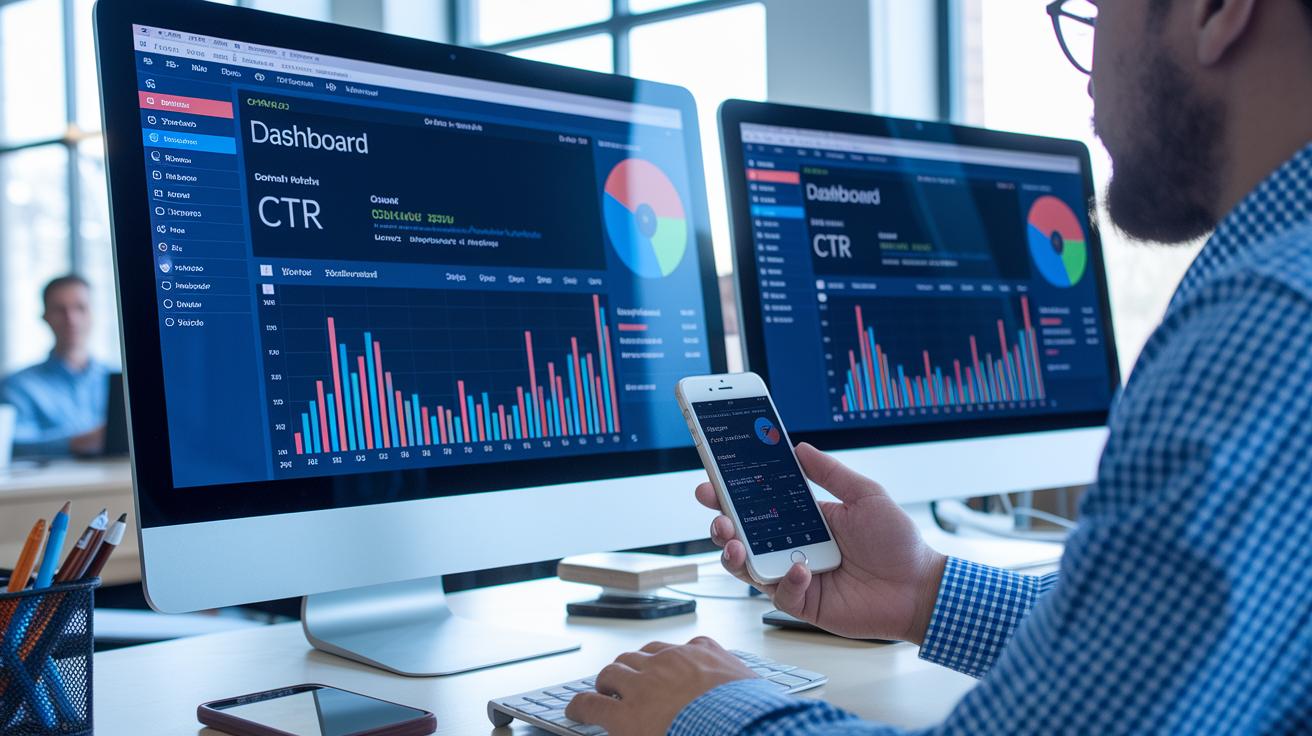
Data-driven SEO is all about using real, measurable information to shape every part of your digital commerce strategy. Think of it like keeping an eye on the heartbeat of your online store, metrics such as click-through rates on product listings, what people are searching for, and how many searches soon lead to a sale combine to create a roadmap for improvement. With more than half of all searches now ending without a click, staying on top of these numbers is crucial. Keeping tabs on these details means you can quickly adjust your strategy to sync with Google's latest updates.
Here are some must-watch benchmarks:
- Product listing click-through rate
- Top search queries
- Conversion rates
- Session duration
- Featured snippet appearances
- Bounce rates
Staying ahead in SEO means embracing change with speed and flexibility. Businesses that work with real-time data can fine-tune their tactics the moment new trends emerge. Regular audits and smart analytics tools help you understand even the internal search results on your site, ensuring that visitors find what they need, even during zero-click searches. This hands-on approach not only sharpens your current strategy but also sets you up perfectly for the next wave of algorithm updates and market shifts, keeping you firmly in the lead of digital commerce.
Final Words
In the action, we explored market challenges with smart SEO tactics, strong technical foundations, high-quality content, and AI-driven updates. We looked at how structured data improves product visibility and off-site strategies build retail authority.
Our review stressed the role of data-driven insights in staying competitive. Ecommerce SEO trends continue to shape success as brands optimize for user experience and evolving search habits. Positive market shifts make it an exciting time for e-commerce professionals to refine strategies and drive growth.
FAQ
What ecommerce SEO resource types are available?
The ecommerce SEO resource types include PDFs outlining current trends, checklists for precise optimization, guides detailing actionable strategies, examples that demonstrate proven tactics, and courses designed to build specialized skills.
How does an e-commerce SEO agency and its services benefit online retailers?
The ecommerce SEO agency supports online retailers by providing expert audits, strategy development, and continuous optimization, which improve search engine rankings and attract quality traffic to drive sales.
What is the ecommerce SEO Coalition?
The ecommerce SEO Coalition brings experts together to share practical insights and best practices, helping retailers refine their strategies and boost their visibility in competitive search results.
How do search engine optimization, digital marketing, social media marketing, and advertising contribute to ecommerce success?
Search engine optimization, digital marketing, and related fields combine targeted techniques to increase an online store’s visibility, attract interested visitors, and drive sales through measurable, integrated advertising strategies.