

Ever noticed how your online cart stays stocked even after you leave a website? It’s not magic, it’s cookies. These little files do more than simply remember your session; they customize your shopping experience and help build trust.
A cookie policy is like a friendly guide that explains how these tiny helpers work, ensuring you know what’s happening behind the scenes. In our post today, we’ll walk you through what each cookie does and highlight how clear, honest cookie policies not only make shopping easier but also keep everything above board.
So, next time you browse your favorite ecommerce site, remember: a smooth shopping experience starts with a transparent cookie policy.
Cookie Policy for Ecommerce Sites: Seamless Compliance
Cookies are small text files that help websites remember you. They manage your session, keep your shopping cart active, and even tailor offers based on what you do online. Think about the last time a site remembered items in your cart from your previous visit, it feels reassuring and makes the experience smooth.
A clear cookie policy spells out exactly what these cookies do and explains how you can control them. It tells you about the benefits, such as faster navigation and personalized shopping, while also letting you know about the data collection process. When a website says, "Our cookies ensure a seamless checkout and offer personalized recommendations, and you can adjust these settings at any time," it builds trust and meets legal rules. This transparency makes shopping easier and more secure for everyone.
Key Elements of a Cookie Policy for Ecommerce Sites

Start by giving your website a thorough cookie scan. This helps you spot every cookie in play, from the ones that keep your shopping cart active to those that check how smoothly your site runs. Next, sort these cookies into clear groups like necessary, functional, performance, and advertising. For example, one cookie might handle session details, while another collects data to boost your site’s speed.
Be sure to explain each cookie in plain language. Instead of tech talk, why not say, "We use this cookie to remember your cart items"? Also, list any third-party cookies, like those from Google Analytics or Facebook Pixel, which affect your site's features or marketing reach. This straightforward approach builds trust and meets legal standards.
For extra transparency, keep your cookie policy separate from your broader privacy policy, but make sure they’re linked. While your privacy policy covers overall data collection, the cookie policy dives into the details: what each cookie does and how long it sticks around.
For easy reference, show this data in an HTML table like the one below:
| Cookie Name | Provider | Category | Purpose | Retention Period |
|---|---|---|---|---|
| session_id | Your Site | Necessary | Maintain session and cart functionality | Session |
| ga_cookie | Google Analytics | Performance | Measure site performance and user behavior | 2 years |
Using clear language and easy-to-follow documentation helps your customers understand how cookies work on your site. Plus, it makes it a breeze for them to adjust their preferences using your built-in consent options.
Global Legal Frameworks Impacting Ecommerce Cookie Policies
In the European Union and the United Kingdom, cookie regulations leave little wiggle room. Under GDPR and the ePrivacy/PECR rules, any cookie that isn’t essential requires clear permission before it can be set. Ecommerce sites have to clearly explain why cookies are used and name any third parties granted access, be it for analytics or advertising. Think of a cookie banner that reads, "We use cookies for a smoother shopping experience, click to adjust your settings." This kind of messaging helps users understand their options. In addition, sites need easy-to-follow instructions so users can check or change their settings later. Given that local authorities have handed out hefty fines for missteps in this area, keeping policies up to date is crucial. Offering a step-by-step guide on how to tweak cookie settings, along with linking related privacy policies, not only meets legal demands but also builds trust with customers.
Over in California, the CCPA and CPRA require clear ways to opt out and demand full transparency about tracking practices and third-party sharing. Similar models apply in places like Brazil under LGPD and Turkey with KVKK. Canada’s PIPEDA also pushes for open access to data collection practices. Here too, ecommerce businesses must keep their policies current to match evolving laws and enforcement trends. Detailing specifics like a cookie’s name, provider, category, purpose, and how long it’s stored does more than just tick regulatory boxes, it shows respect for customer privacy. A clear and comprehensive cookie policy lays a strong foundation for fostering trust with consumers, no matter where they call home.
Implementing Cookie Consent on Ecommerce Platforms
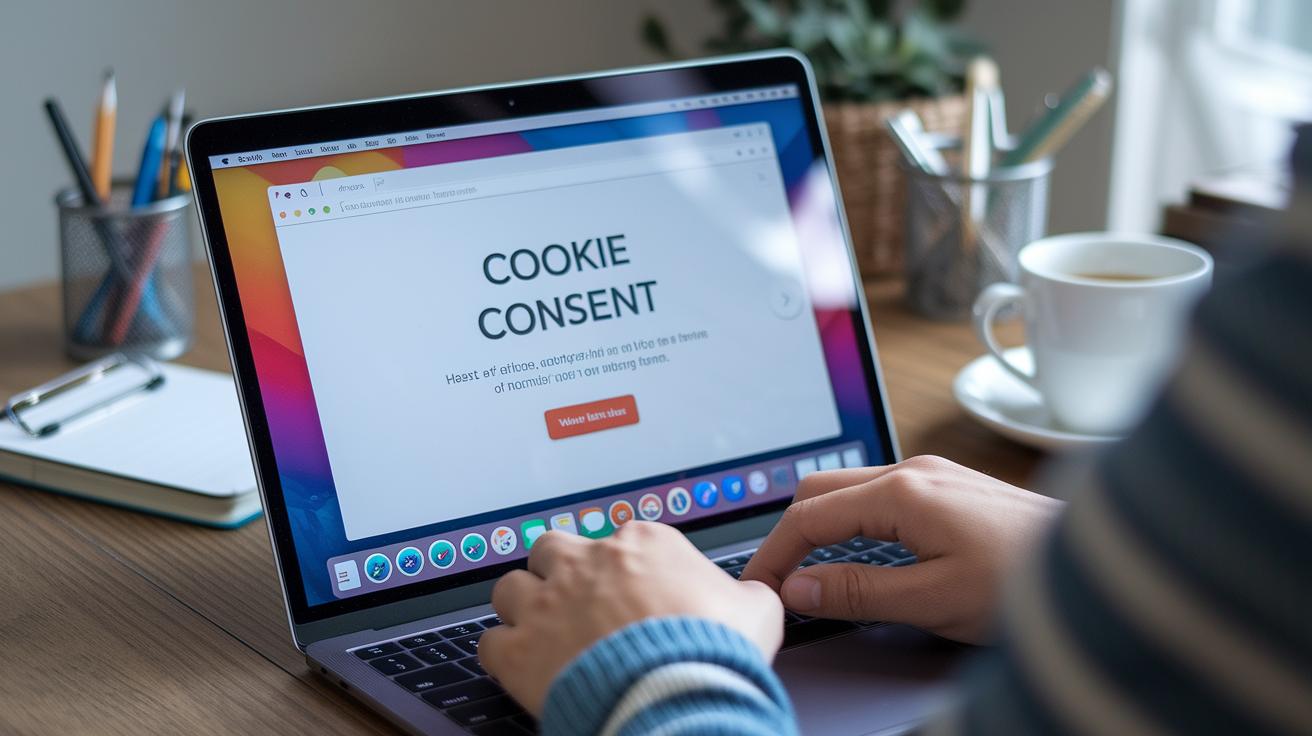
Ecommerce platforms build trust by displaying a consent banner or pop-up that links directly to the cookie policy. This setup gives visitors an easy way to set or update their cookie preferences from the very start. Digital consent management tools simplify the process, letting users opt in for data collection or tweak settings whenever they want. Meanwhile, automatic cookie scanners keep track of all tags and scripts so owners can stay updated, even after adding new integrations.
Consent Management Platforms
Top consent management tools come with features like customizable banners, storage for user choices, and automatic audit logs. Some even sync with Google Consent Mode to adjust themselves based on visitor settings. They offer a clear, visual dashboard that busy site owners adore. Imagine a screen where you pick your banner design and let the tool handle the details behind the scenes. And with mobile-optimized designs, the banner stays clear and accessible whether your visitor is on a phone or tablet.
Platform-Specific Setup
For Shopify stores, a dedicated app can handle multiple third-party integrations smoothly. Picture a guided setup process where every step, from installation to configuration, is clearly marked, allowing you to capture cookie consent right away. WordPress users aren’t left out either; popular plugins, often boasting over a million installs, make it straightforward to collect and manage user choices. The step-by-step setup ensures that the banner links perfectly with your overall site policies, so visitors can seamlessly switch between browsing and adjusting their settings.
Mobile-friendly layouts and easy-to-read designs guarantee that every visitor can update or withdraw consent as needed, keeping data collection transparent and compliant across your ecommerce platform.
Maintaining and Updating Your Ecommerce Cookie Policy
Regularly checking your website for new cookies is crucial. Think of it like finding an unexpected note in your mailbox, if a new app or script adds a cookie after your last check, you'll want to catch it right away. This isn’t just about following rules; it’s also a key step in building customer trust.
When laws change, say, a tweak in GDPR or updates to CCPA, it’s time to update your cookie policy. One smart move is to print a date at the top of the policy. For example, including a note like "Updated on 10/02/2023 – New cookie data from recent integrations" instantly reminds your visitors that you’re on top of any changes in the rules.
It also helps to keep an audit log of your revisions. Here’s a simple way to organize it:
| Date of Update | Changes Made | Reason for Update |
|---|---|---|
| [Insert Date] | [Insert Details] | [Explain Why] |
This log not only makes internal tracking easier but also shows your visitors that you work hard to keep your compliance in check. Plus, make sure your cookie policy is just one click away on your consent banner so people can update their settings whenever they need to.
Finally, use plain language to explain what’s changed and why. Clear summaries make it easy for everyone to understand your updates, keeping your policy both accurate and user-friendly.
Final Words
In the action, the blog post breaks down the crucial need for a cookie policy for ecommerce sites, explaining how cookies work and why they’re integral. It covers key elements, from scanning site cookies to outlining global regulations, and walks through consent management setup on popular platforms.
This guide provides actionable insights to help businesses stay compliant and secure consumer trust. With a clear cookie policy for ecommerce sites, companies can confidently adapt to legal shifts and keep their digital storefronts in top shape.
FAQ
What is a good cookie policy for ecommerce sites?
A good cookie policy for ecommerce sites clearly explains how cookies are used, categorizes them (necessary, performance, etc.), and meets data protection standards like GDPR. This builds trust and prevents legal issues.
What is a free cookie policy generator?
A free cookie policy generator creates a customizable policy template that outlines cookie usage, enabling ecommerce sites to meet regulatory requirements without starting from scratch.
What is a shopping cart in e commerce?
A shopping cart in ecommerce refers to the online feature that allows customers to select and review products before purchase, streamlining the buying process by managing selections and payment details.
How do ecommerce sites use cookies?
Ecommerce sites use cookies for session management, personalized content, shopping cart functions, and advertising. This helps improve user experience by tracking interactions and optimizing site performance.
Do websites need a cookies policy?
Websites need a cookies policy to inform users about data tracking, ensure regulatory compliance, and support transparency in data handling, which collectively foster visitor trust.
Should I allow cookies on my Shopify?
Allowing cookies on Shopify helps capture user preferences and manage sessions efficiently. It also supports personalized shopping experiences and compliance with privacy laws when managed properly.
What are the pros and cons of targeted ads enabled by cookies?
Targeted ads enabled by cookies can improve relevance and conversion rates, but they may also raise privacy concerns. They require clear disclosure to balance marketing benefits with user data protection.
What is a free privacy policy template or simple privacy policy?
A free or simple privacy policy template offers a basic framework outlining how user data is collected, stored, and used. It supports regulatory compliance by clearly communicating data practices to visitors.