
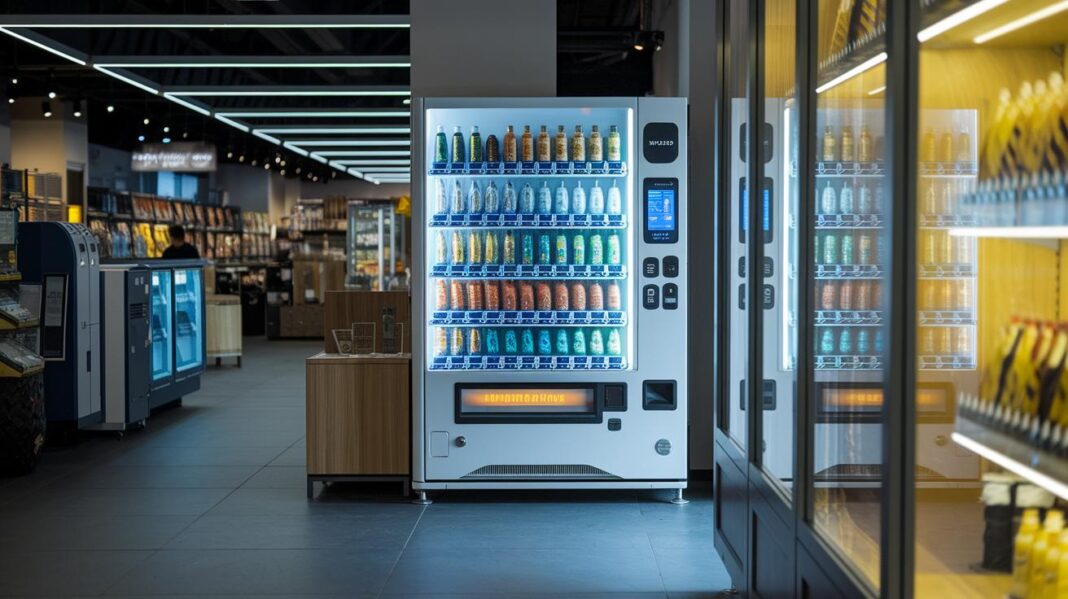
Have you ever wished you could shop without ever waiting in line? Smart unattended retail technology is turning that dream into reality. Imagine walking into a store where digital systems guide you, keep track of your items, and even handle payments almost instantly. This system cuts out the wait and brings an easy, almost futuristic simplicity to shopping. With clever tech working quietly in the background, shopping becomes a smooth, hassle-free experience that fits our busy lives perfectly.
How Unattended Retail Technology Enables Self-Service Shopping
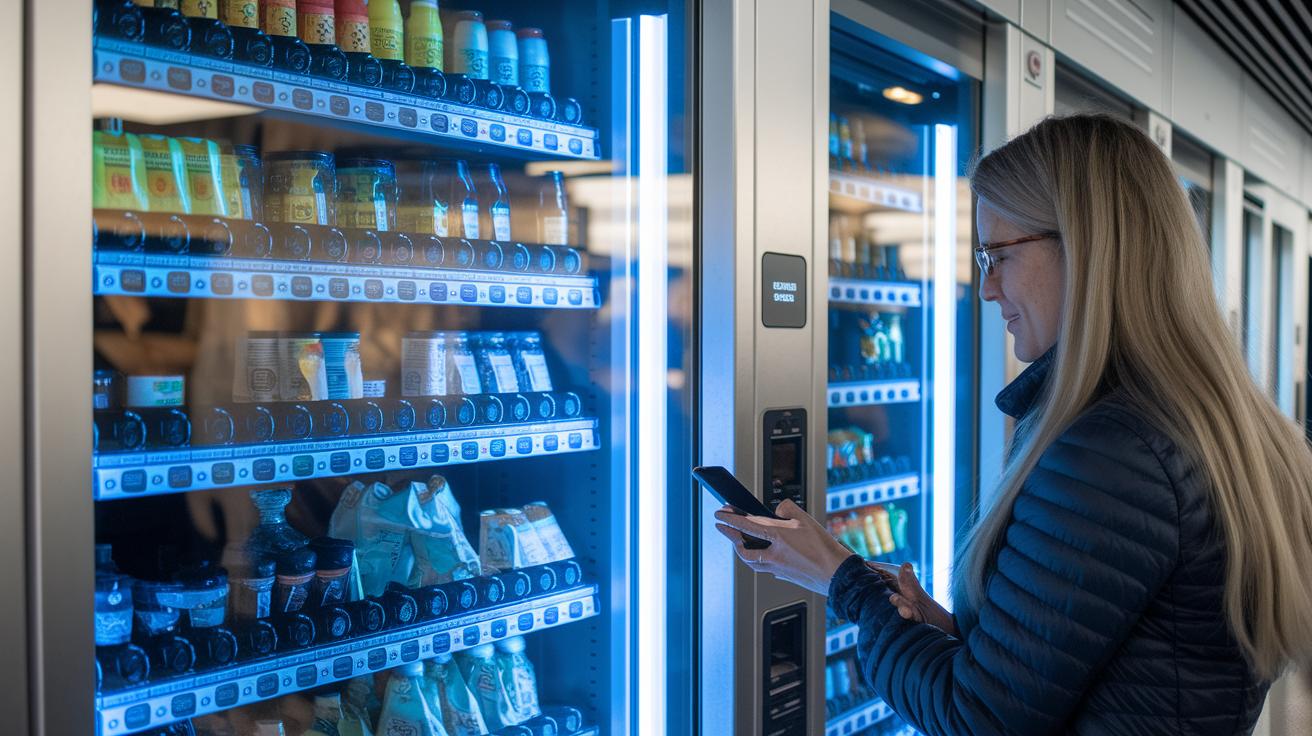
Imagine walking into a store where you guide every step of your shopping trip. Unattended retail makes that possible by using smart tech like automation, AI, and sensor systems. This setup lets you browse, buy, and even return items without waiting for help from a salesperson.
The idea is simple: meet today’s fast-paced expectations by keeping everything smooth and quick. Think of smart vending machines, micro markets, and self-service kiosks as your new shopping buddies. They use digital touchpoints and advanced sensors to let you check out in seconds, no long lines or tedious counter payments.
Below are the core tech pieces that power this seamless experience:
| Technology Component | Description |
|---|---|
| Computer Vision & AI Cameras | Helps recognize items and monitor activity effortlessly |
| Weight Sensors & RFID Readers | Keeps track of products accurately from start to finish |
| Interactive Touchscreen Interfaces | Makes shopping intuitive and user-friendly |
| Cashless Payment Modules | Enables fast, secure transactions without handling cash |
By automating key processes like inventory checks and payment handling, unattended retail cuts wait times and makes shopping a breeze. In today’s busy world, this technology meets the demand for speed and convenience, letting you shop how you want, even on the fly.
Core Components of Unattended Retail Technology Systems
Modern unattended retail brings together smart hardware and software that push automation into exciting new territory. Take this eye-opening fact: one pilot store used an AI-powered camera system that identified nearly 100,000 items with over 99% accuracy, slashing checkout times by 40%. Recent case studies show that smoother system integration is boosting performance and reliability, making every component work together effortlessly.
| Component | Primary Function |
|---|---|
| AI Camera System | Recognizes items and automates checkout, handling a high number of SKUs |
| RFID Readers | Identifies products in real time to improve inventory management |
| Weight Sensors | Detects theft and validates inventory with precise weight checks |
| Payment Module | Processes secure, contactless transactions and interacts with other systems |
Centralized management systems track inventory in real time and send automated alerts to keep everything running smoothly. In fact, recent pilot tests have reported an uptime of around 99.8%, with hardly any slowdowns even during busy times. Retailers who want to dive deeper into these essential hardware and software tools can learn more at tech for retail.
Unattended Retail Technology in Action: Case Studies
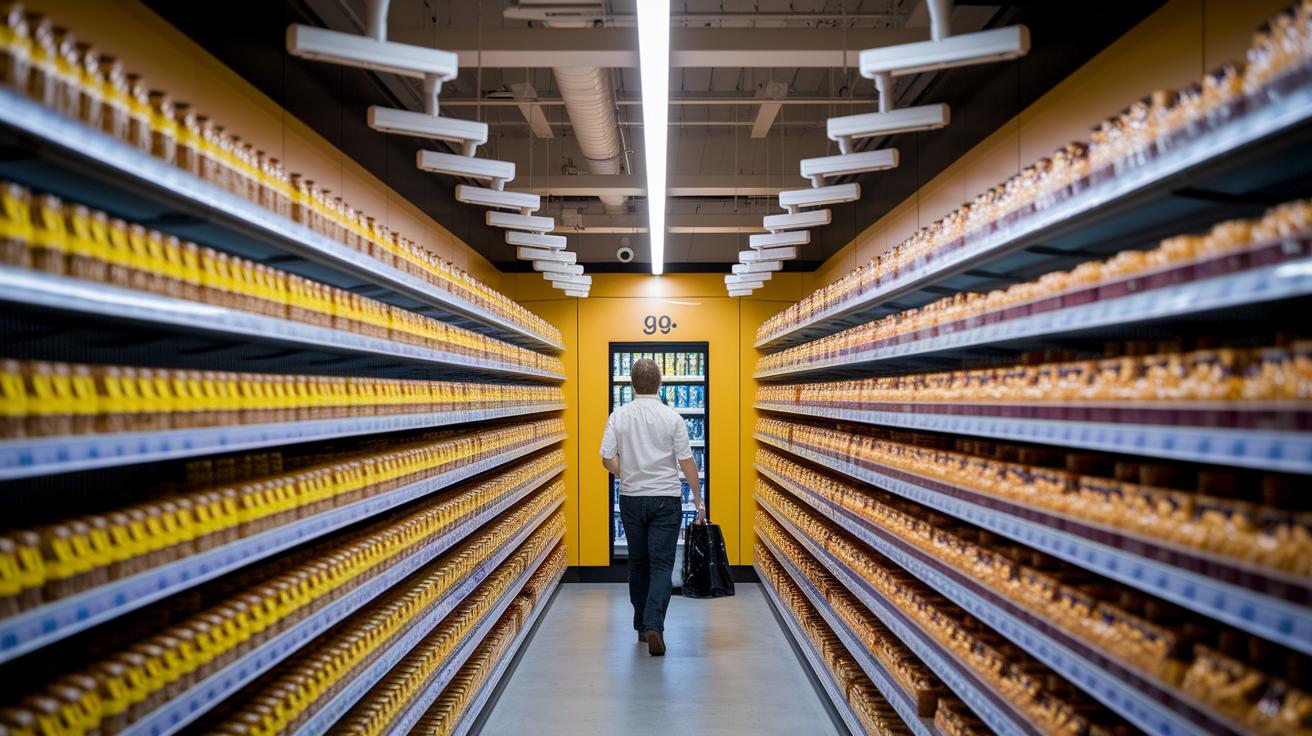
Case studies shine a light on how theory becomes reality. They break down complex ideas into everyday wins, showing us how unattended retail tech can boost efficiency and ramp up sales in real-life settings.
- Amazon Go cashierless convenience – Imagine walking into a store, grabbing your items, and leaving within 10 seconds. Amazon Go uses smart cameras and computer vision to make that a reality, eliminating the need for a cashier.
- Interactive smart vending walls – In bustling airports and malls, these high-tech walls create an engaging buying experience that can double turnover, thanks to their fast, immersive setup.
- RFID-enabled self-checkout lanes at Uniqlo – Uniqlo’s system uses RFID tags to speed up transactions so customers can finish buying almost instantly.
Results from these innovations go beyond simple speed. Businesses enjoy a noticeable boost in sales and dramatic reductions in wait times, making shopping a breeze. Shoppers get a seamless experience that cuts out the usual checkout hassle, leaving them happier overall. On top of that, retailers benefit from real-time inventory tracking, ensuring products are always in stock. These real-world examples prove that unattended retail technology not only offers quick, hassle-free service but also drives real improvements in efficiency and revenue.
Benefits and ROI of Unattended Retail Technology
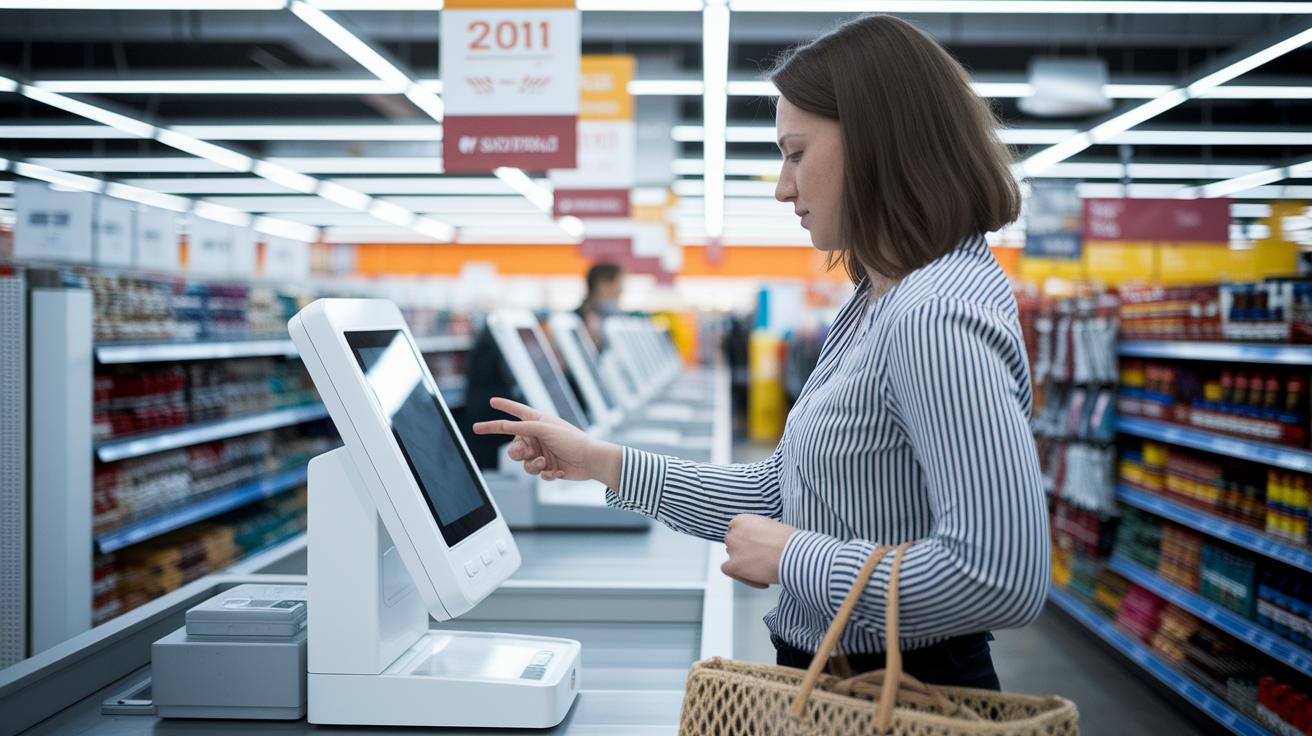
Unattended retail systems help stores save money by slashing labor costs by as much as 30%. With self-checkouts and automated processes, retail employees can focus on helping customers on the floor instead of handling repetitive tasks. This means fewer staff hours, reduced payroll expenses, and fewer mistakes, each saving adds up quickly.
These systems also boost sales significantly. Many retailers have seen revenue jump by 50% to 100%. Customers enjoy faster checkouts, with 90% experiencing smoother transactions and 66% specifically drawn to quicker service. Shorter wait times, cut by as much as 40%, improve the shopping experience and create more chances for impulse buys, all of which benefits the bottom line.
In short, the efficiency gains from unattended retail technology directly translate into higher returns, making operations both cost-effective and more profitable.
Security and Compliance in Unattended Retail Technology
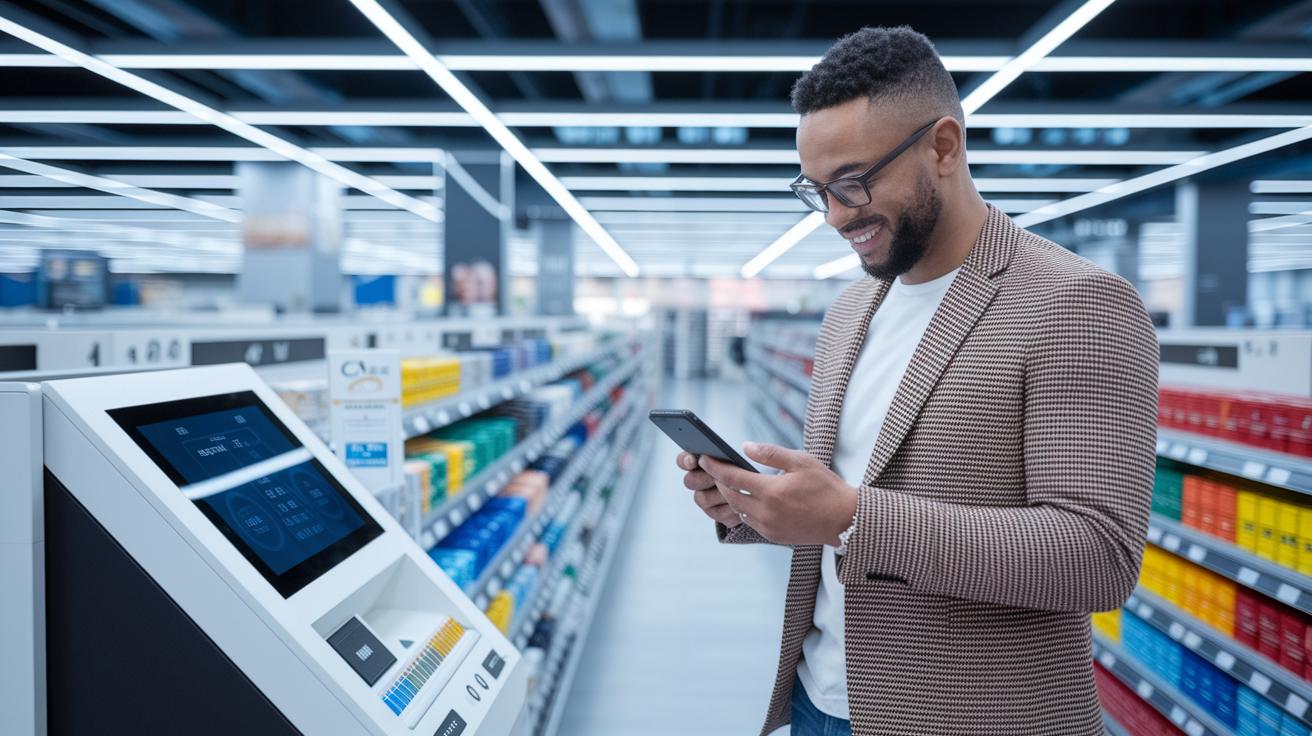
Unattended retail systems are designed with solid fraud prevention and secure payment measures. They use PCI-certified modules to process payments safely and rely on smart fraud detection tools that protect both customer details and business assets. Encrypted mobile authentication adds another layer of safety, ensuring every transaction remains secure. Retailers trust these methods to keep their automated payments smooth and dependable, reducing risks while maintaining smooth operations. Security and compliance really come first.
On the surveillance side, modern systems now tap into AI to combine motion, weight, and video analytics, spotting suspicious behavior in real time. Smart locks and remote monitoring work hand in hand to prevent theft and reduce losses. Plus, following data privacy standards like GDPR and CCPA shows that customer information is cared for responsibly. This strong blend of surveillance and compliance creates a secure setting that builds customer confidence and protects the entire retail landscape. With these features in place, unattended retail technology becomes a trusted, secure, and compliant operation.
Challenges and Trends Shaping Unattended Retail Technology Adoption
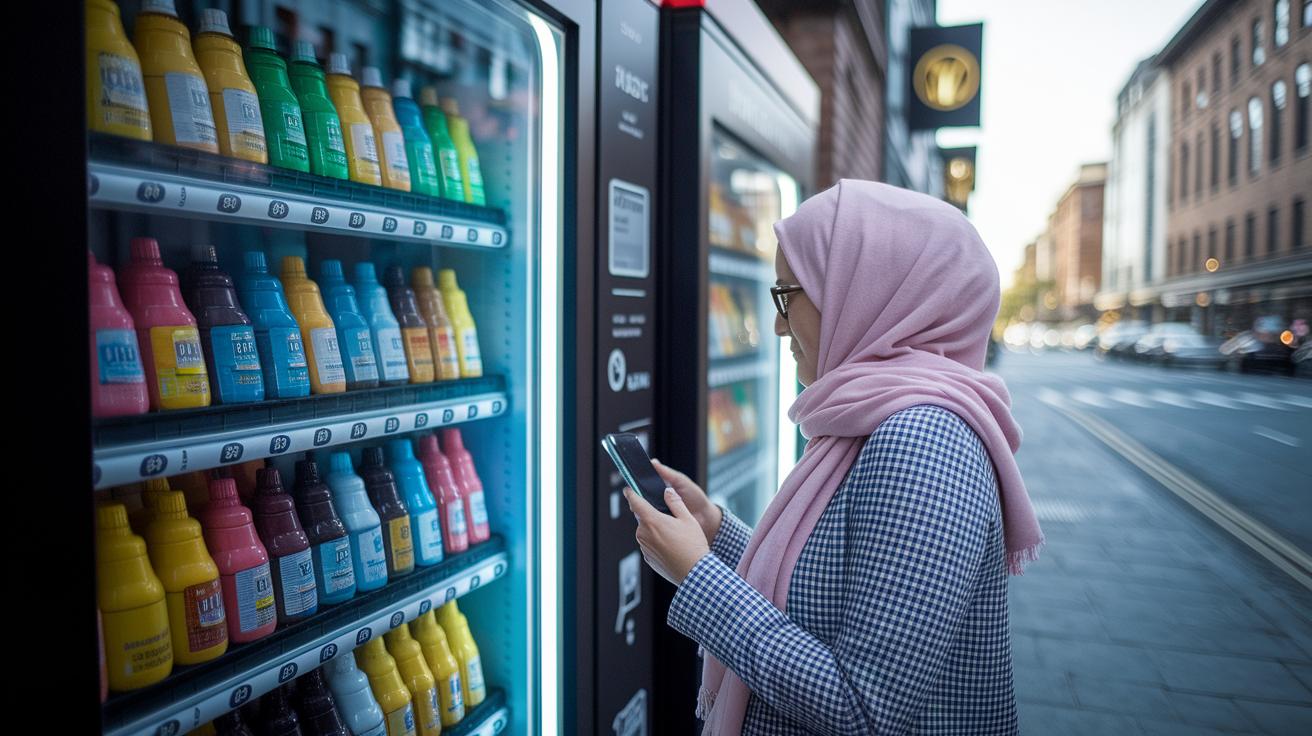
In 2022, the global smart vending market hit $20 billion, and experts expect it to grow by about 13% over the next ten years. This surge shows just how fast retail automation is catching on, driven by bustling urban centers and the everyday use of digital wallets.
But it’s not all smooth sailing. High setup costs can really hold back smaller businesses, making it tough to jump on board. The complexity of integrating these systems means deployments can take longer than planned. Plus, regular maintenance and the need to help shoppers get comfortable with new interfaces add extra layers of challenge. All of these factors make many retailers proceed with caution, even as customer demand for quick, hassle-free shopping increases.
On the bright side, emerging hybrid formats are stepping in to bridge the gap. By blending smart vending with mobile checkout apps, these innovative systems tackle some of the current hurdles. This mix could pave the way for a smoother, more efficient shift toward unattended retail operations.
Future Outlook for Unattended Retail Technology
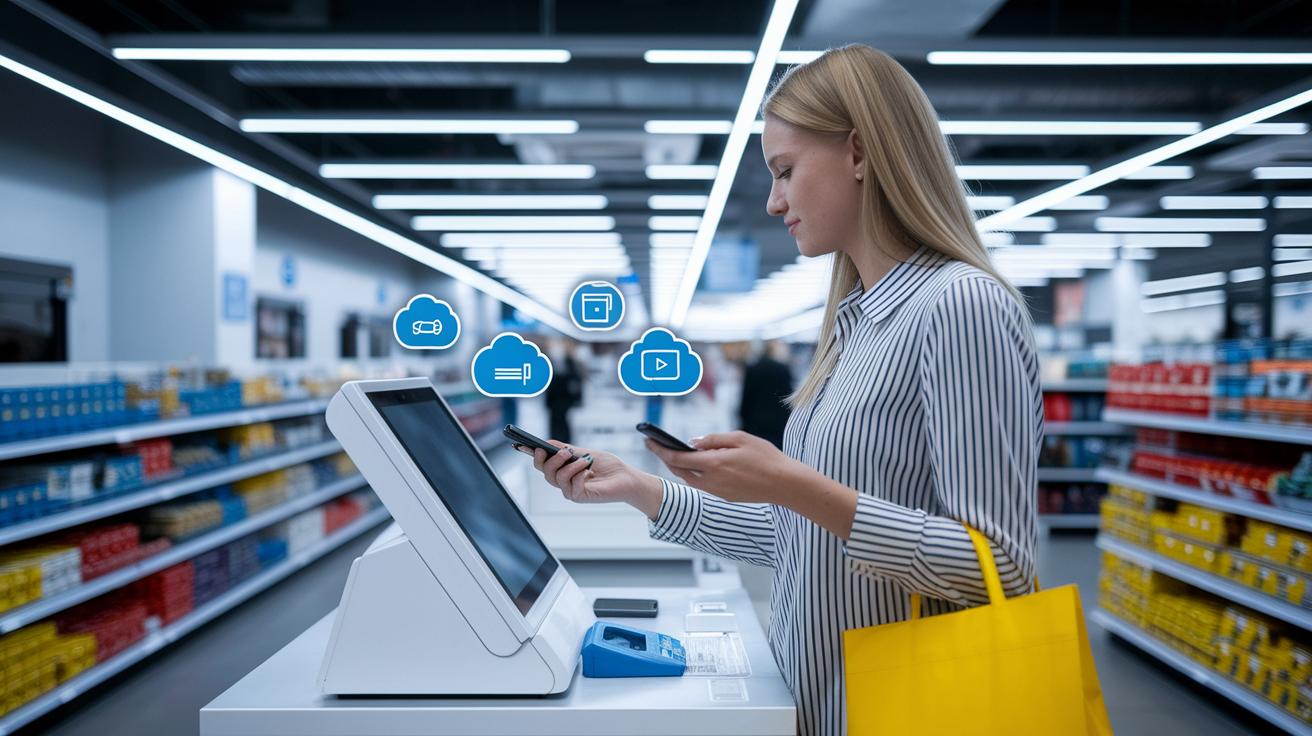
Unattended retail is about to leap into a world where smart automation and flexibility work hand in hand. Retailers are getting ready for smooth, effortless operations with mobile-wallet checkouts that let customers pay in one quick tap and cloud systems that update automatically. Old, rigid systems are being replaced by agile ones that meet today’s need for speed and smart service.
Looking ahead, four key innovations are set to transform the shopping experience. First, frictionless mobile checkouts mean no waiting around, just a simple tap to complete a purchase. Second, cloud orchestration keeps software updated with fresh features and top-notch security, cutting downtime and boosting confidence. Third, self-learning AI at checkouts adapts in real time to shopper behavior, personalizing the experience. And finally, robotics-driven restocking ensures shelves remain tidy and stocked, even during busy times.
These breakthroughs lay a solid foundation for retail strategies centered on innovation and quick adaptation. As these technologies merge with everyday retail, they build a robust framework that meets evolving customer needs, enhances efficiency, and sets the stage for sustainable growth in a consumer-first world.
Final Words
In the action, this article walked through the essentials of self-service shopping and how automation, AI, and sensor systems are reinventing retail operations. It broke down the core components powering a cashierless experience while highlighting case studies and financial benefits. We also touched on security measures and compliance that safeguard transactions. The overview of future innovations reinforces that integrating unattended retail technology not only meets consumer demand for speed but also drives smarter business decisions. There's a clear path ahead, making this an exciting time for the retail industry.
FAQ
What does “unattended retail” mean?
The term unattended retail means a shopping environment where customers browse, purchase, and exit without onsite staff, using automation, sensors, and AI for a smooth self-service experience.
What is autonomy in retail?
Autonomy in retail refers to the capability of stores to operate and manage sales automatically, reducing human intervention by relying on advanced technologies like AI and sensor-based systems.
What is the concept of an unmanned store?
The concept of an unmanned store involves retail spaces that run without traditional staff, using self-checkout technology and intelligent sensors to manage transactions and inventory.
What does retail technology mean?
Retail technology describes the use of automated tools—including cashless payment modules, smart sensors, and AI systems—to improve the shopping experience and streamline store operations.
What is an unattended retail vending machine?
An unattended retail vending machine is a self-service system that allows users to select and pay for products without any staff involvement, relying on smart interfaces and sensor technology.
What are unattended retail companies?
Unattended retail companies develop and implement self-service solutions, enabling stores to operate without in-person staff by leveraging automated systems and real-time technology.
What is the unattended retail market and its size?
The unattended retail market encompasses businesses using automated store systems, and its size shows substantial growth as more consumers favor fast, contactless shopping experiences.
What is 365 Retail Market and how do I log in or create an account?
365 Retail Market is an online platform offering retail automation solutions; users can log in or create an account by following the registration steps provided on the website.
What does the credit card charge at 1743 Maplelawn Dr Troy MI refer to?
The credit card charge at 1743 Maplelawn Dr Troy MI indicates a transaction processed by a retail business; reviewing your billing statement or contacting the issuer can provide specific details.