

Ever notice how shopping feels so effortless these days? It's like there's a hidden helper behind the scenes, smoothing out every step of the process. This helper, commerce technology, keeps both online shops and physical stores humming along by powering secure payments, real-time inventory updates, and easy order tracking.
Imagine it as a smart system that transforms everyday transactions into a well-organized routine. In this post, we'll dive into how these essential tools drive retail brilliance, making shopping a more seamless and enjoyable experience for everyone.
Commerce Technology: Overview of Digital Retail Tools

Commerce technology covers a range of digital tools designed to support buying and selling both online and in physical stores. It powers websites, mobile apps, and social media marketplaces, transforming traditional shopping into smooth digital experiences. These systems manage everything from secure payment processing and real-time inventory tracking to order handling and shipping, all while giving retailers one unified way to run their sales. They also simplify customer analytics and personalized marketing with built-in storefront software and user-friendly dashboards. In essence, these tools create a modern digital commerce platform, much like the one showcased at https://omegamarkets.com?p=, that turns straightforward transactions into well-coordinated retail operations.
Retailers depend on five key types of tools to enhance efficiency and improve the buying experience:
- ecommerce engines – the core systems that build and power digital storefronts; think of them as the heartbeat of your online presence.
- payment systems – technologies that ensure transactions are fast and secure; imagine the simple tap of your smartphone for a quick payment.
- order management systems – solutions that keep real-time tabs on orders and inventory; picture an easy-to-read dashboard updating live.
- analytics dashboards – tools that break down customer data into digestible insights; it's like having a quick snapshot of what customers are doing.
- personalization engines – systems that use customer data to tailor recommendations; envision a tool that suggests products based on your past choices.
E-commerce and Omnichannel Platforms in Commerce Technology
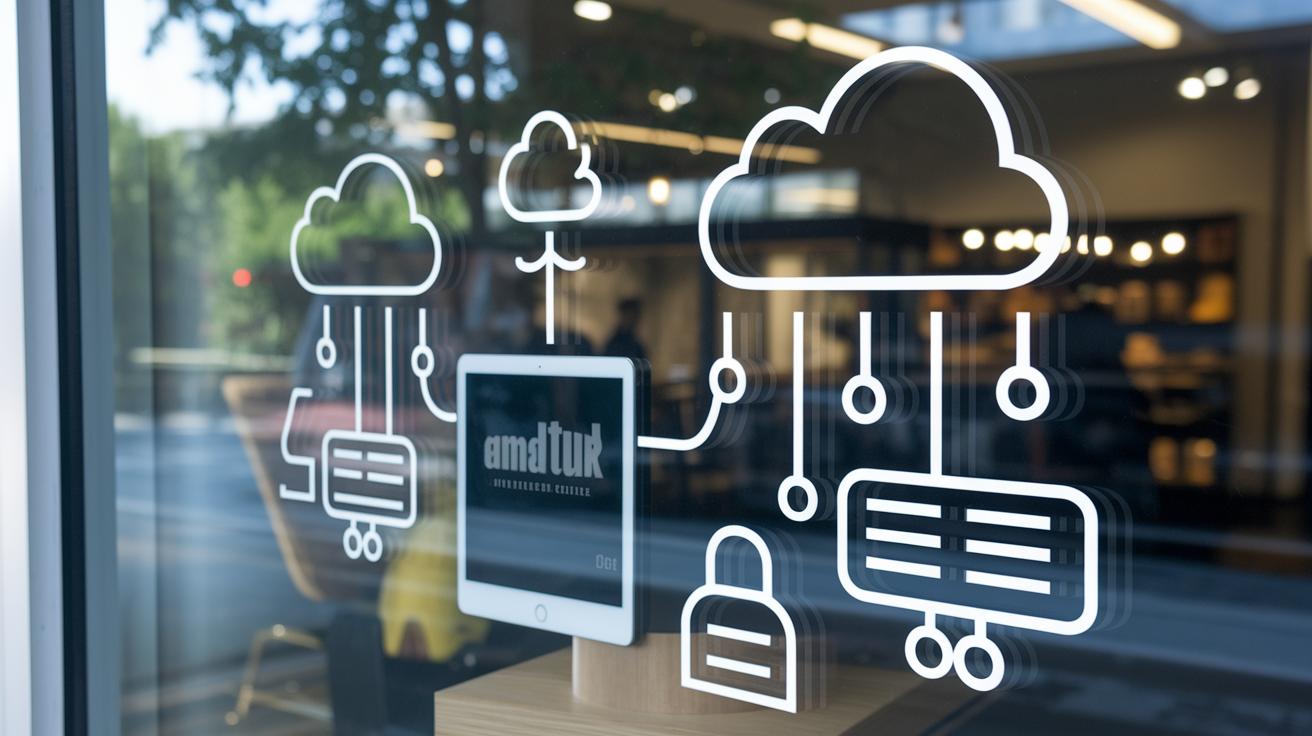
Today’s commerce platforms link online shops with physical stores to give customers a smooth and consistent experience. Retailers mix cloud-powered storefronts, headless and composable architectures, API-driven setups, and microservices to quickly add new features without overhauling their systems. This approach not only makes it easy to create seamless in-store and online experiences but also lets businesses expand their digital reach on the fly to keep up with changing customer needs.
- monolithic SaaS
- headless commerce
- composable commerce
- progressive web apps
- marketplace connectors
- ERP-integrated systems
Cloud scalability is key here. With composable infrastructure and modular architectures, companies can easily scale their digital storefronts during big sales or shifting market conditions. Retailers benefit from omni-channel toolkits that keep both online and physical outlets running reliably and at high performance. API integrations help roll out updates and new features quickly, ensuring that businesses stay agile and responsive, even when demand spikes.
Payment Gateways and Security within Commerce Technology

Payment systems are designed to keep your card information safe while making checkout super fast. They use methods like tokenization, 3D Secure, and strict adherence to PCI standards to protect sensitive data. These tools also connect with digital wallets like PayPal, Apple Pay, and various local mobile options, making it easy for customers to complete their purchases without a hitch.
Advanced security features are built right into the payment process. Whether you’re making a small buy or a big one, these systems ensure every transaction is handled securely and efficiently. They even tap into smart fintech models to maintain that smooth, seamless checkout experience we all appreciate.
| Security Feature |
|---|
| Behavioral analytics |
| Device fingerprinting |
| Two-factor authentication |
| Rule-based filters |
| Anomaly detection |
Blockchain-powered transactions are stepping onto the scene as a smart addition to traditional security. By using a decentralized ledger, blockchain makes each transaction more transparent, which is particularly useful for cross-border deals. This extra layer helps in securely recording each step and works hand in hand with real-time fraud prevention tools. As retailers fine-tune their digital payment systems, blending blockchain with established methods is moving us toward a much safer future.
AI, Personalization and Immersive Commerce Experiences

Artificial intelligence and augmented reality are shaking up the way we shop. By looking at past purchases and demographic details, smart systems now suggest products and even predict what you might buy next. Meanwhile, AR and VR let you step into virtual showrooms, imagine placing a new sofa in your living room or trying on a jacket without ever leaving home. These cutting-edge tools not only smooth out the shopping process but also empower businesses to craft truly personalized experiences.
AI-driven Recommendations
Every click, search, and purchase helps build a unique shopping profile. Websites use this information, from browsing habits and previous buys to live interactions, to power algorithms that make personalized suggestions. Fun fact: shoppers getting these tailored recommendations are 60% more likely to complete a purchase. So, each online visit turns into a chance for a customized experience that guides you toward options that really fit your style and needs.
AR and VR Shopping
Whether you're on a smartphone, tablet, or rocking a VR headset, immersive shopping is at your fingertips. With AR, you can virtually place a piece of furniture in your home or see if a pair of glasses suits you. VR, on the other hand, opens the door to exploring entire virtual storefronts. Common practices like virtual try-ons and detailed product demos make the shopping experience interactive and intuitive.
- mobile push
- on-site web
- chat
These personalization channels work together seamlessly to keep you connected throughout your digital retail journey. With adaptive shopping engines fine-tuning each interaction, every time you shop, the experience gets a little bit better.
Order Management and Supply Chain Tech in Commerce Technology

Order management systems are the unsung heroes behind a smooth retail operation. They gather orders from every channel and update inventory in real time, ensuring everything runs without a hitch. These systems also work hand in hand with warehouse management tools to automatically assign stock, pick items, and handle shipping tasks. Imagine a busy control room where robotics and automated conveyors speed up the pack-and-ship process, keeping your orders flowing steadily. Detailed dashboards provide a clear view of fulfillment metrics and quickly flag any bottlenecks that might slow things down.
- inventory sync
- order routing
- label printing
- carrier rate shopping
- returns management
Connecting these systems to ERP platforms via API further ramps up efficiency. When order management and ERP work together, financial records update automatically, inventory levels stay accurate, and sales operations become far simpler. This smart integration cuts out the need for tedious manual entry and reduces mistakes, empowering retailers to quickly adapt to changing consumer demands. In short, the blend of automated order handling and real-time supply chain updates builds a resilient framework that keeps your retail operations performing at their best.
Building a Commerce Technology Stack: Selection and Best Practices

When it comes to setting up your ecommerce tech stack, it all starts with knowing exactly what you need. Think of it like planning a road trip, you need a clear destination. Companies should set simple goals such as boosting conversions, saving operational costs, or reaching new markets. Once you know your goals, you can pick the right tools that match a flexible platform strategy built on scalable, API-first and mobile-first designs.
In this discovery phase, it’s important to compare key features. You’ll want to explore headless platform architectures and unified payment systems from different vendors, and see how they stack up against modern SaaS solutions and enterprise-level retail advancements. With useful resources like pre-built accelerators, detailed documentation, and SDKs in hand, you can simplify your initial setup and get everything talking to each other in a multi-vendor setup.
Here’s a quick rundown of what to keep in mind:
| Key Requirement | What It Means |
|---|---|
| Scalability | The platform should grow smoothly with increasing transactions and customer demand. |
| Integration Flexibility | It should easily connect with your existing systems and support an API-first design for future innovations. |
| Security | Strong security measures like fraud detection and varied international payment options are essential. |
| Vendor Support | Reliable, ongoing assistance is critical during setup and upkeep. |
| Total Cost | Look at both the initial investment and the long-term operational expenses to understand the full financial impact. |
Before you dive in full-scale, it makes sense to run a pilot test. Testing with actual traffic can uncover integration gaps and performance hiccups that might otherwise fly under the radar. By rolling out your system in phases and learning from real-world conditions, you can fine-tune your ecommerce tech stack to deliver a smooth, efficient experience for your customers. For more tips and insights, check out ecommerce tech stack.
Final Words
In the action of modern digital retail, commerce technology drives digital retail through innovative tools like ecommerce engines, secure payment gateways, and adaptive AI features. The article laid out smart strategies for omnichannel platforms, robust security measures, immersive customer engagement, efficient order management, and optimal tech stack selection. We explored real-time analytics, modular interfaces, and flexible integrations that empower businesses to act fast. Optimism remains high as these insights equip decision-makers to stay ahead and embrace emerging opportunities.