
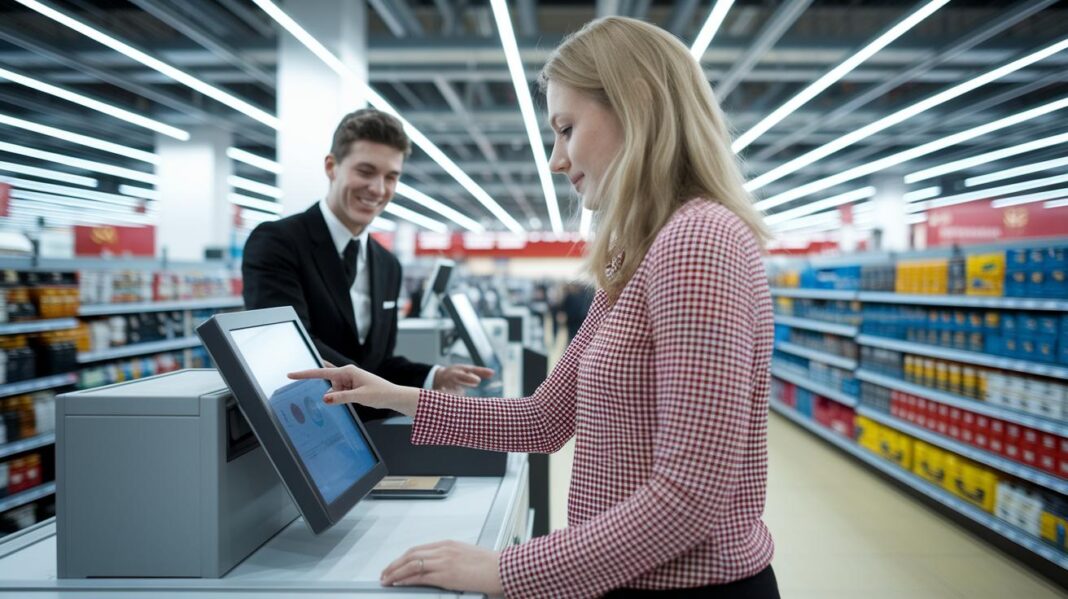
Ever noticed how a shopping trip can feel almost magical, almost as if every step is perfectly timed? In today's stores, tech brings a dose of ease and even a bit of fun to the experience.
Picture this: an AI chatbot that chats with you like a friendly guide, smart shelves that update prices as you browse, and contactless payments that get you out the door quickly. These innovations work side by side to make shopping feel personal and efficient.
Stick with us as we dive into how these smart retail tools are adding a touch of delight to every modern store visit.
Key Capabilities and Categories in Store Retail Tech

Retail tech is quickly changing the way we shop by merging our traditional brick-and-mortar experiences with digital systems. Today, eight main technologies are driving these changes in modern stores.
One standout is artificial intelligence. It powers chatbots that chat with you in real time and offer personalized suggestions based on your previous buys. Imagine walking into a store and having a chatbot recommend an outfit that perfectly matches your style – that’s AI at work.
Contactless payments are another big player, handling over half of all transactions through NFC-enabled cards and mobile wallets, which means faster, smoother checkouts. Then, interactive digital signs and self-checkout kiosks pop up vital, dynamic information exactly when you need it, keeping your experience seamless.
There’s also a growing trend in smart shelves. Equipped with sensors and RFID tags, these shelves track inventory and instantly update pricing on their digital displays. For instance, as soon as a customer touches an item, the shelf signals current offers right away.
Other cool tools like augmented reality let you virtually try on products or see how furniture might fit in your home. Retailers are even tweaking in-store promotions based on live shopper behavior, making each visit feel uniquely tailored. And with a growing focus on sustainability, as seen by a 73% increase in spend among industry leaders, facial recognition and advanced security systems are ensuring that your shopping journey feels just as safe as it is smart.
| Technology | Main Function |
|---|---|
| Artificial Intelligence | Smart chatbots and personalized recommendations |
| Smart Shelves | Real-time inventory tracking and dynamic pricing |
Intelligent Engagement with AI, AR, and Immersive In Store Retail Tech

Smart mirror systems have moved well past simple virtual try-ons. They now use real-time analytics to pick up on subtle cues from shoppers. Imagine a mirror that notices you pausing longer on a jacket and then quickly suggests accessories that complement your style.
Innovative shopping bots are taking things further by mixing behind-the-scenes behavior tracking with deep learning. Picture a bot that senses the brief hesitation before you buy and then recommends an extra item based on what similar shoppers do.
When these technologies team up with retail databases, sensor data becomes clear, actionable insights. They continuously monitor customer trends, from purchase habits to small engagement signals, to help optimize store layouts and digital interfaces in real time.
Streamlining Operations with IoT, RFID, and Automated Systems in Store Retail Tech
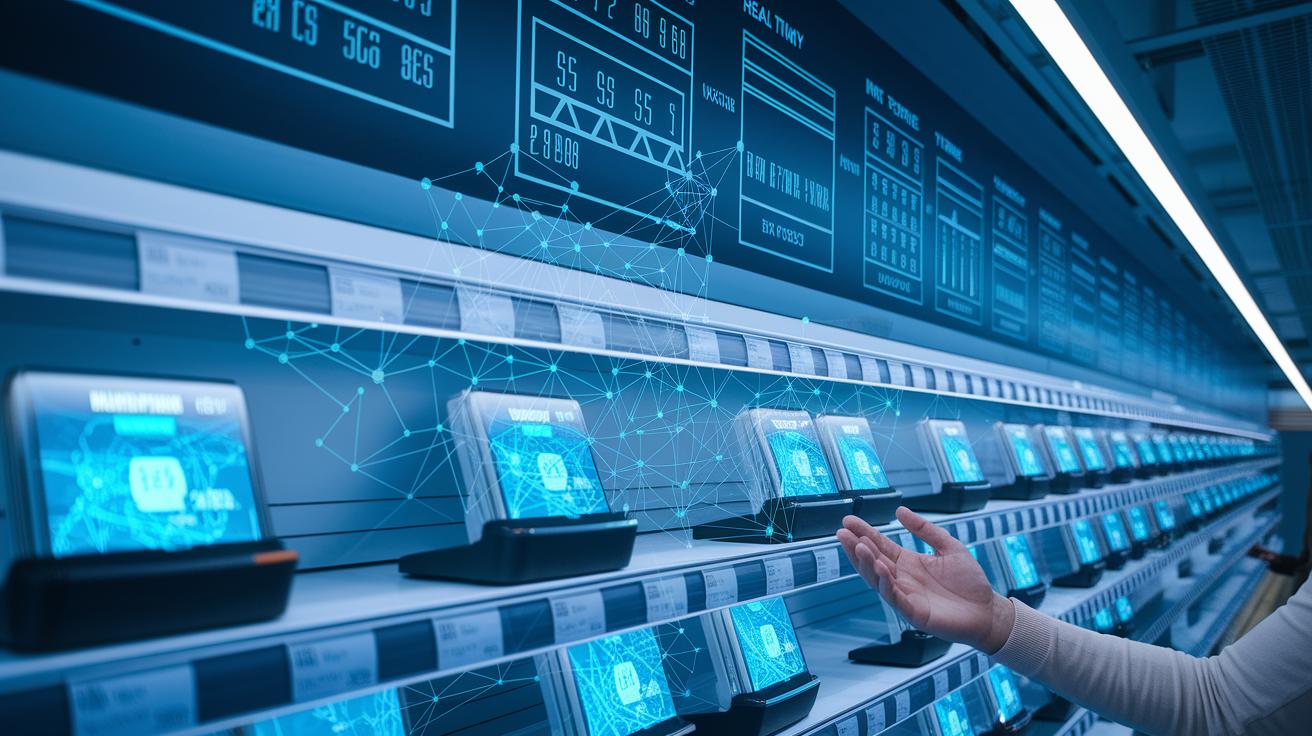
Smart shelves now combine weight sensors, RFID tags, and digital displays to keep you updated on inventory levels in real time. They even kick off automatic restock orders when supplies run low, slashing manual restocking time by roughly 40%. One installation saw a 30% drop in inventory loss thanks to RFID tracking.
In-store sensor networks capture details about customer foot traffic and product interactions, which helps tweak store layouts and promotional strategies. These smart systems send out immediate alerts when stock is nearly gone, so you never miss a beat with reordering.
All in all, these IoT advancements streamline store operations by blending real-time monitoring with smooth, automatic restocking. This lets staff focus more on engaging with customers rather than getting bogged down by routine inventory work.
| Technology | Efficiency Gain |
|---|---|
| RFID Tracking | 30% reduction in inventory loss |
| Automated Stock Replenishment | 40% reduction in restocking time |
Frictionless Payments and Automated Checkout in Store Retail Tech
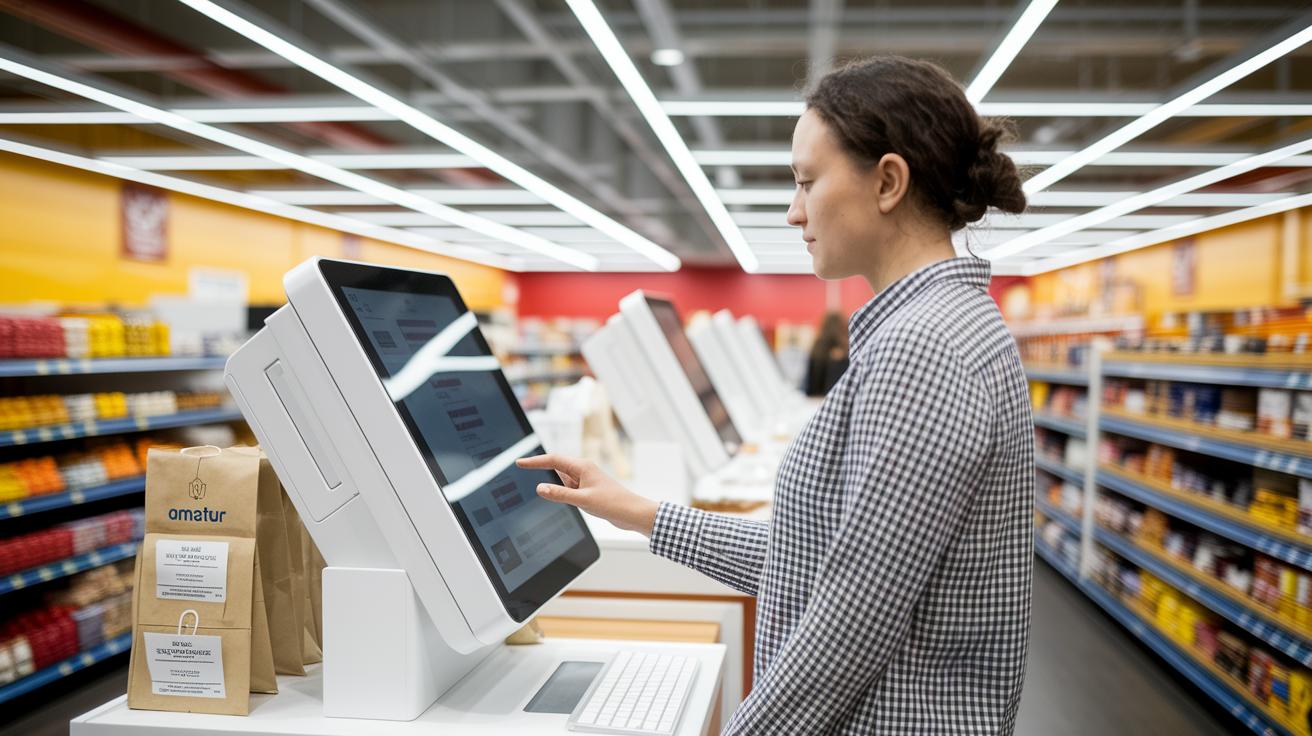
Self-checkout kiosks and all-in-one checkout modules are changing the way we shop in stores. These systems can speed up transactions by as much as 25%, which means less time waiting and more time enjoying your day.
Imagine this: you scan your items at a self-checkout kiosk, and the process flows smoothly without long lines or delays. It’s like having a fast lane right in your local shop.
Cashless payment tech now handles over 60% of in-store transactions, thanks to NFC-enabled cards and mobile wallets. Picture tapping your smartphone or card at a terminal for a quick, effortless checkout. In fact, contactless payments surged in 2023 and improved checkout speed and shopper happiness by around 15%. Ever notice how a contactless system can shave minutes off your transaction? It really makes your visit smoother.
Mobile payment platforms add another layer to your shopping experience by bundling in loyalty programs and digital receipts. Fewer paper trails not only help the environment but also keep the whole process simple and engaging for both retailers and customers.
- Self-checkout systems
- Cashless payment tech
- Mobile payment platforms
These breakthroughs turn ordinary shopping trips into delightful, frictionless experiences.
Implementing In Store Retail Tech: Integration Strategies and Vendor Selection
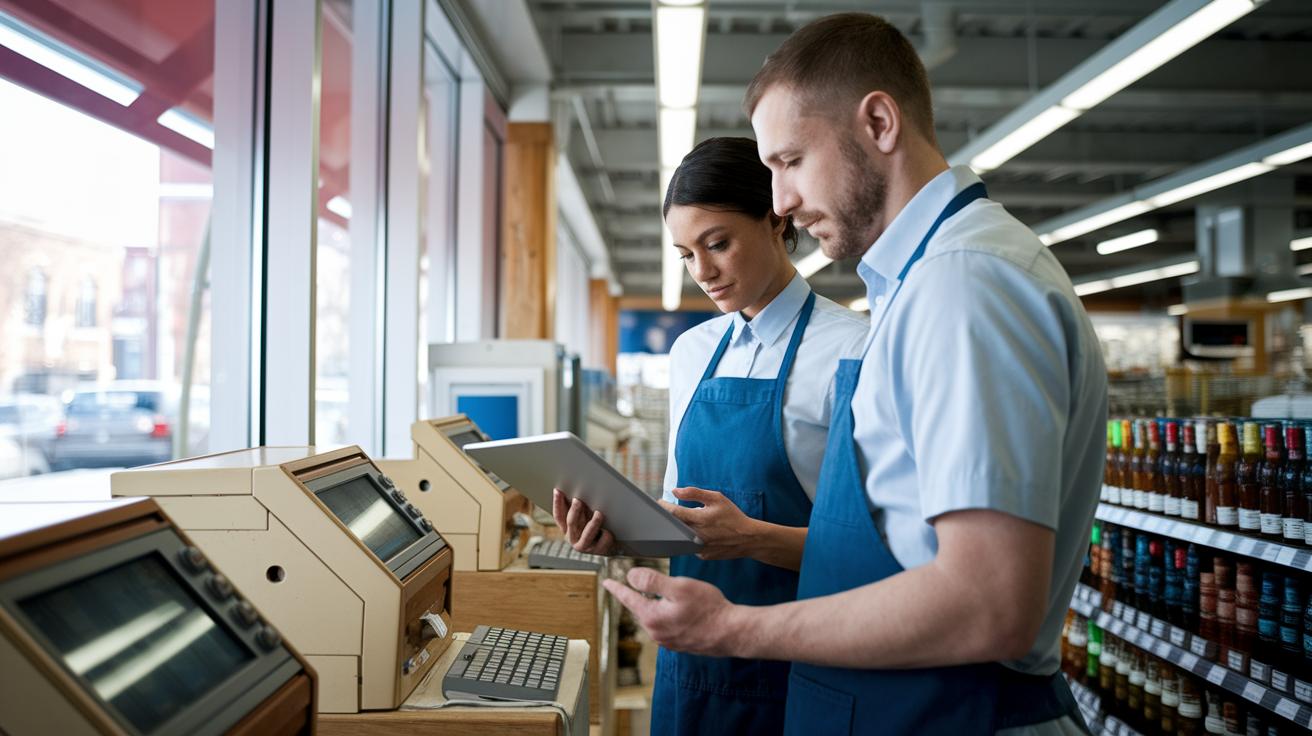
Retailers often wrestle with the challenge of combining shiny new tech with old-school POS and back-office systems. It’s a balancing act, keeping customer data safe while staying under budget. A smart move? Roll out changes gradually. Begin with a pilot in a few stores, listen closely to real feedback, and only then expand the initiative. For example, a trial run might show that a cloud-based digital commerce platform can simplify how devices are managed and boost analytics with open APIs, streamlining everything from payments to backend operations. You can even check out more details on this platform via the digital commerce platform link.
Getting tech right is also about preparing your team. Staff need hands-on practice with new tools so they can help shoppers without a hitch. Many leading tech companies offer all-in-one services, from initial hardware setups to continual software support and updates. This lets retailers concentrate on enhancing the in-store experience while bypassing the nitty-gritty technical challenges.
Key considerations when selecting a vendor include:
- Making sure the vendor’s solution plays well with your current systems.
- Checking that their support covers regular updates and offers training sessions.
- Confirming they can handle both technical and business sides of the integration.
By planning ahead and choosing vendors that tick these boxes, retailers can roll out new tech more quickly and deliver smoother customer experiences. Smart, future-proof strategies make the path to adopting new tech clearer and more efficient, ultimately boosting both in-store operations and customer satisfaction.
Measuring Impact and Future Retail Trends in In Store Retail Tech

Retailers today are turning to real-time analytics tools that collect info from sensors, digital signs, and checkout systems. These tools crunch data to reveal traffic flows and spot which parts of the store really turn visits into sales. Imagine a system that notices a spike near a promotion and quickly tweaks offers in response, it's this kind of speedy action that boosts in-store energy.
With these insights, stores can craft highly personalized promotions. Say data shows shoppers linger longer in one aisle, prompting tailored offers that can grow basket totals by as much as 15%. Picture a digital screen offering advice based on live shopping habits, it makes every customer feel like the store truly gets them.
Looking forward, new tech trends promise to reshape the shopping experience even more. Innovations like blockchain can shine a light on a product's entire journey, while smart facial recognition might soon suggest complementary items almost like it’s reading your mind. One retailer even tested a system that did just that. Plus, tech that supports sustainable practices is gaining momentum, echoing our shared push for eco-friendly choices.
And then there’s the blend of online and offline experiences. Omnichannel strategies, paired with AI that fine-tunes personalization, are setting the stage for a new era in retail, one where every touchpoint feels connected and transformative well into the future.
Final Words
In the action, the discussion spotlighted how store retail tech is transforming physical shopping. We explored smart shelves, IoT solutions, smart mirrors, and frictionless payment systems that shape in-store experiences. The article reviewed key operational improvements, integration tactics, and strategic vendor partnerships to boost efficiency and customer engagement. Each insight adds a fresh perspective on driving both innovation and smooth transactions. It’s an exciting time as these advancements set a strong foundation for tomorrow's retail innovations.
FAQ
What are some examples of in store technology?
In store technology examples include sensor-equipped smart shelves, interactive kiosks, and dynamic digital signage. These systems update pricing, monitor inventory in real time, and boost shopper engagement through timely content.
What retail technology trends are emerging for 2025?
Retail technology trends for 2025 focus on advanced AI solutions, contactless payment systems, augmented reality for virtual try-ons, and smart security systems that enhance both customer experience and store efficiency.
What do retail technology solutions encompass?
Retail technology solutions cover integrated hardware and software such as IoT devices, RFID tracking, and unified checkout modules. These tools streamline inventory management, reduce transaction times, and improve overall store performance.
Can you share smart retail examples?
Smart retail examples include self-checkout kiosks, sensor-enabled smart shelves, and interactive digital signage. These innovations help minimize wait times and deliver personalized shopping experiences through real-time data usage.
What characterizes an innovative retail technology company?
An innovative retail technology company leverages cutting-edge developments like hyper-personalized AI, IoT integration, and contactless payments. Their focus is on enhancing customer service and operational efficiency with smart, seamless solutions.


