

Have you ever wondered if robots can outpace humans when processing orders? It might seem like something out of a sci-fi movie, but e-commerce robotics automation is quietly transforming order handling.
Picture this: a system where picking, packing, and sorting work together smoothly, almost like a well-rehearsed team. The result is fewer errors and faster service that gives businesses a real edge. In fact, one retailer saw mistakes drop by more than 50% in just a few months.
This breakthrough technology is setting a new benchmark for accuracy and speed in today’s online marketplace. Simply put, robotic systems are quickly becoming the heartbeat of rapid delivery and reliable fulfillment in an increasingly competitive world.
Ecommerce Fulfillment Efficiency Through Robotics Automation
Robotic automation is shaking up ecommerce by simplifying every step of order processing into fast, clear, and trackable actions. Think of it as integrating automated picking, packing, sorting, and transporting systems that speed up order handling significantly. Imagine a system in which real-time logistics blends with advanced robotics, ensuring orders never get misplaced, just like a well-oiled clock where every tick helps boost performance.
Modern robotics turns complicated warehouse tasks into smooth, automated processes. Now, even high-volume orders can be managed without needing to expand physical space. When ecommerce businesses adopt these systems, manual tasks are replaced by smart, sensor-driven methods that fulfill orders quicker and with fewer mistakes. Retailers using these advanced solutions enjoy better inventory accuracy, fewer mis-shipments, and a strong edge during busy periods.
Key benefits include:
| Benefit | Description |
|---|---|
| Speed | Faster order processing times |
| Accuracy | Fewer errors in order fulfillment |
| Capacity | Enhanced ability to meet quick delivery demands |
| Insight | Real-time logistics data for better decisions |
Retailers who transition to these systems often notice their workflow becoming smoother, which in turn makes their customers happier. A slight tweak, like recalibrating robotic arms or fine-tuning system software, can lead to impressive performance improvements. Take, for instance, a multinational retailer that slashed its error rate by more than 50% in just a few months after switching to automated sorting systems.
In today’s fast-paced digital market, embracing robotics automation isn’t just about keeping up; it’s about setting a higher benchmark for efficient and reliable order processing.
Ecommerce Robotics Automation Ignites Rapid Fulfillment
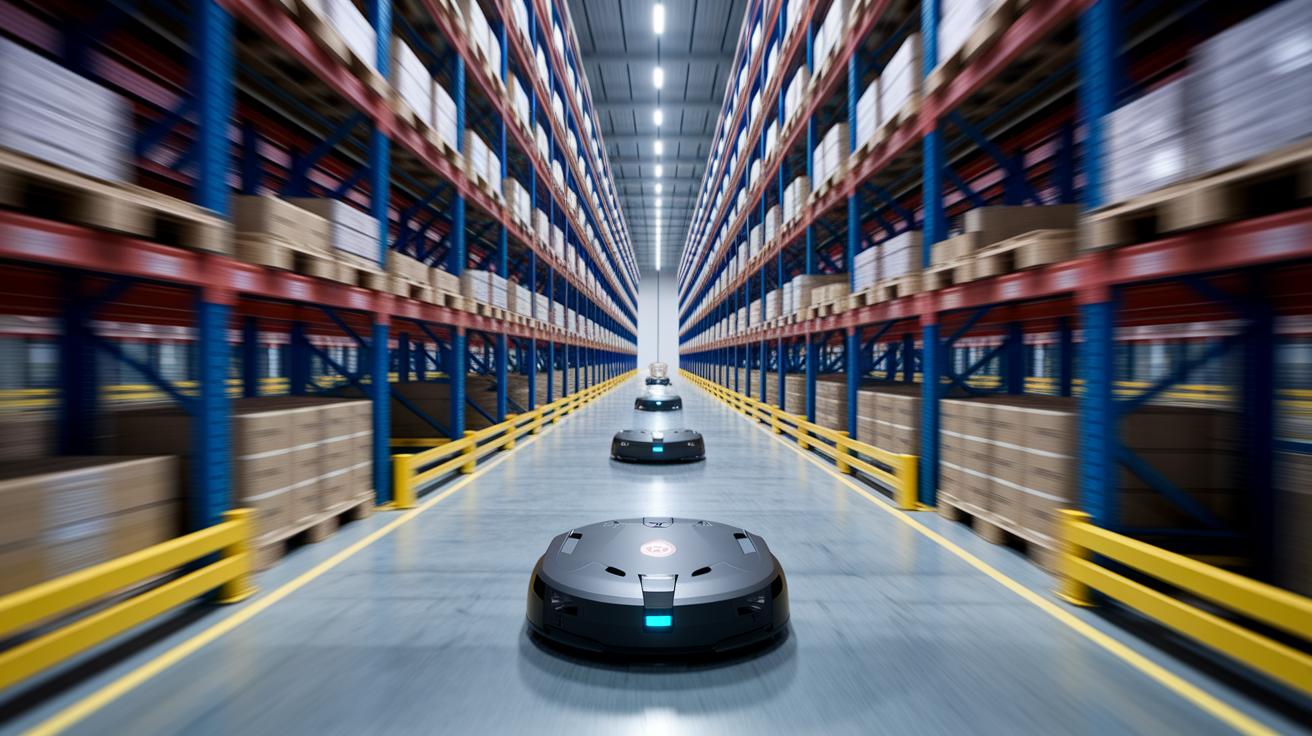
Automated Storage and Retrieval Systems (ASRS) are the workhorses behind today’s efficient warehouses. They use smart sensors to keep track of product locations and speed up the entire process, turning what used to be long, error-prone tasks into smooth, self-running operations. Pick-to-light systems add another layer of precision by giving operators visual hints, making sure every order is picked accurately and on time.
Engineered rack setups mix perfectly with modular picking systems and conveyor automation to constantly rearrange inventory as needed. This smart setup even lets robotic arms, equipped with machine vision and simple AI routines, sort and pack orders with barely any human help. Imagine a system where a conveyor seems to know exactly where every product is at all times. One retail team completely transformed its process by making this switch, moving from a slow, error-filled method to one that's reliable and brisk.
Autonomous mobile robots, or AMRs, take center stage when it comes to handling repetitive or risky tasks, like moving heavy loads around a facility. They connect easily with warehouse management software systems that offer real-time updates and help streamline digital supply chains. Each robot adapts to changes in demand and layout, giving the entire system a much-needed boost in flexibility.
All these technologies work together like pieces in a well-tuned machine. Conveyor systems, modular pickers, sensor-guided robots, and automated storage form an ecosystem where every part contributes to quicker, more dependable order fulfillment. It’s a setup that doesn’t just keep pace with change, it leads the way.
Inventory Optimization Strategies Enabled by Robotics Automation
Automated replenishment is changing the game in inventory management. It uses smart software that adjusts stock levels and pinpoints SKUs in real time, cutting down on mistakes and boosting efficiency. Retailers are now blending this tech with automated storage solutions to handle changing demand and varied product lines.
Modern systems pair IoT-enabled stock tracking, like those found in platforms such as ai inventory management, with precise cycle counting. Every scan instantly updates the main database, giving managers an up-to-date view of their inventory during even the busiest shifts.
Recent advances in robotics picking have pushed market growth from about $137 million in 2022 to a projected $1.34 billion in 2025. Meanwhile, the overall warehouse automation market nearly hit $36 billion last year. These numbers show how advanced tools can reduce costly errors and streamline inventory replenishment. For example, one big retailer saw a major drop in mis-stocks after using a system that automatically adjusts storage layouts during sudden demand spikes.
Retailers using these modern methods have turned their inventory processes into reliable, current systems that meet high accuracy standards and adapt to dynamic market needs.
Strong cycle counting paired with IoT-driven stock tracking provides real-time data that sharpens decision-making. Retail teams now enjoy better forecasting, reduced overstock, and more efficient storage, all of which lower costs and allow for fast responses during peak times.
Robotics Automation in Order Processing and Dispatch Workflow
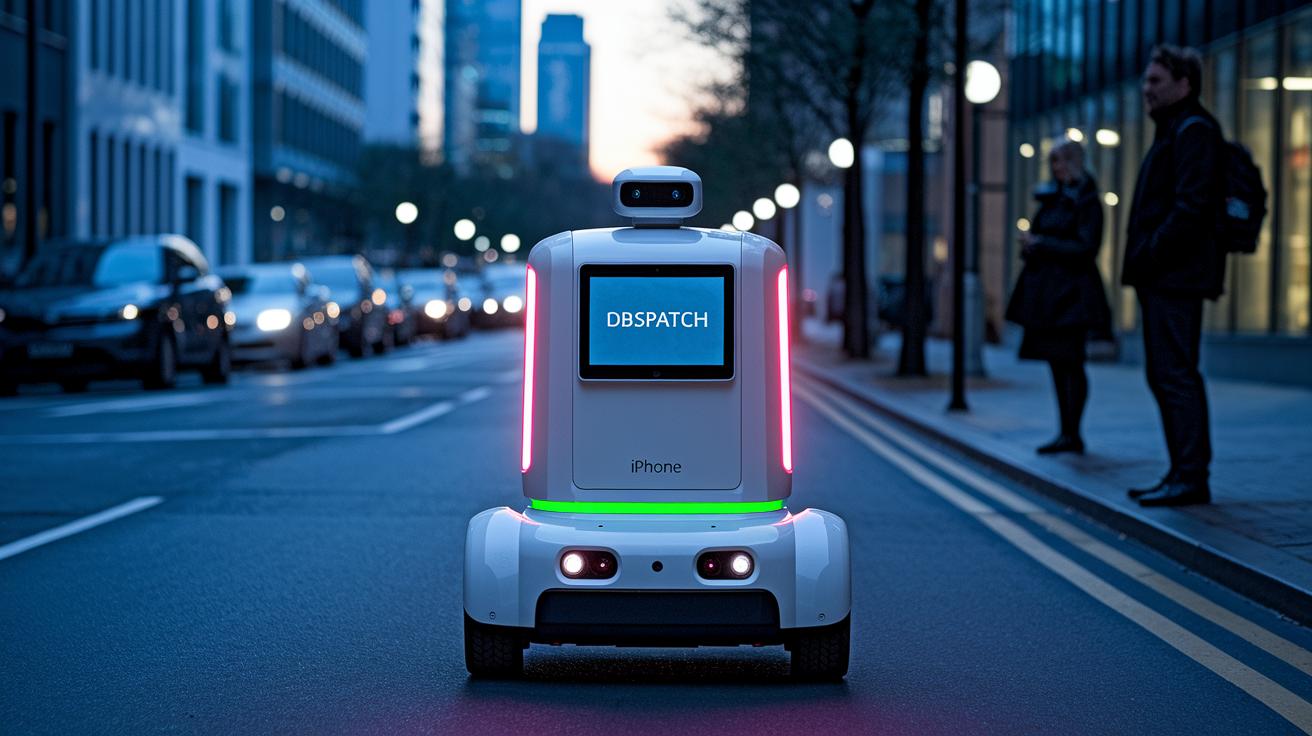
Businesses are now streamlining order fulfillment with a refreshed dispatch process that leans on autonomous delivery robots for that crucial last-mile delivery and real-time mobile tracking. Autonomous units fitted with GPS, sensors, and cameras dash through the final delivery leg while keeping everyone updated on their mobile devices. Picture this: a robot sorts an order and instantly alerts the dispatch team on its tablet, letting them know that the delivery has kicked off and the clock is ticking.
This smart use of mobile tracking cuts out the need for constant manual checks. With real-time data collection, teams can verify each delivery as it happens, making sure orders reach their destination quickly and accurately.
Integrating Robotics Automation into Ecommerce Infrastructure
When you introduce modern robotics into your digital marketplace, you’re making your systems work smarter. Start by checking out your current warehouse and ERP systems to see how they might connect with specialized solutions like inVia Logic WES or Twin IQ simulation. For example, one major retailer saw a 40% boost in order synchronization once their ERP system was linked to automated picking solutions, slashing delivery times dramatically.
Next, building a tech ecosystem that really works means drafting a clear Request for Proposal for your automation partner. In your RFP, list key elements like throughput needs, scalability, compatibility with your software, and return-on-investment expectations. Think of it like crafting a recipe where each ingredient, from updating your digital operations to syncing your ERP components, needs to come together just right.
Using an integrated ERP system, like one available through leading digital commerce platforms, can tie robots and human processes together in real time. This live connection helps with quick decision-making by offering up-to-the-minute details on stock levels, order progress, and overall system health. Case studies tell us that companies embracing these solutions see fewer errors and faster order dispatch times.
Taking a careful, step-by-step approach to robotics integration turns complex tasks into streamlined operations, perfectly set up to meet tomorrow’s challenges.
ROI and Cost Analysis for Ecommerce Robotics Automation
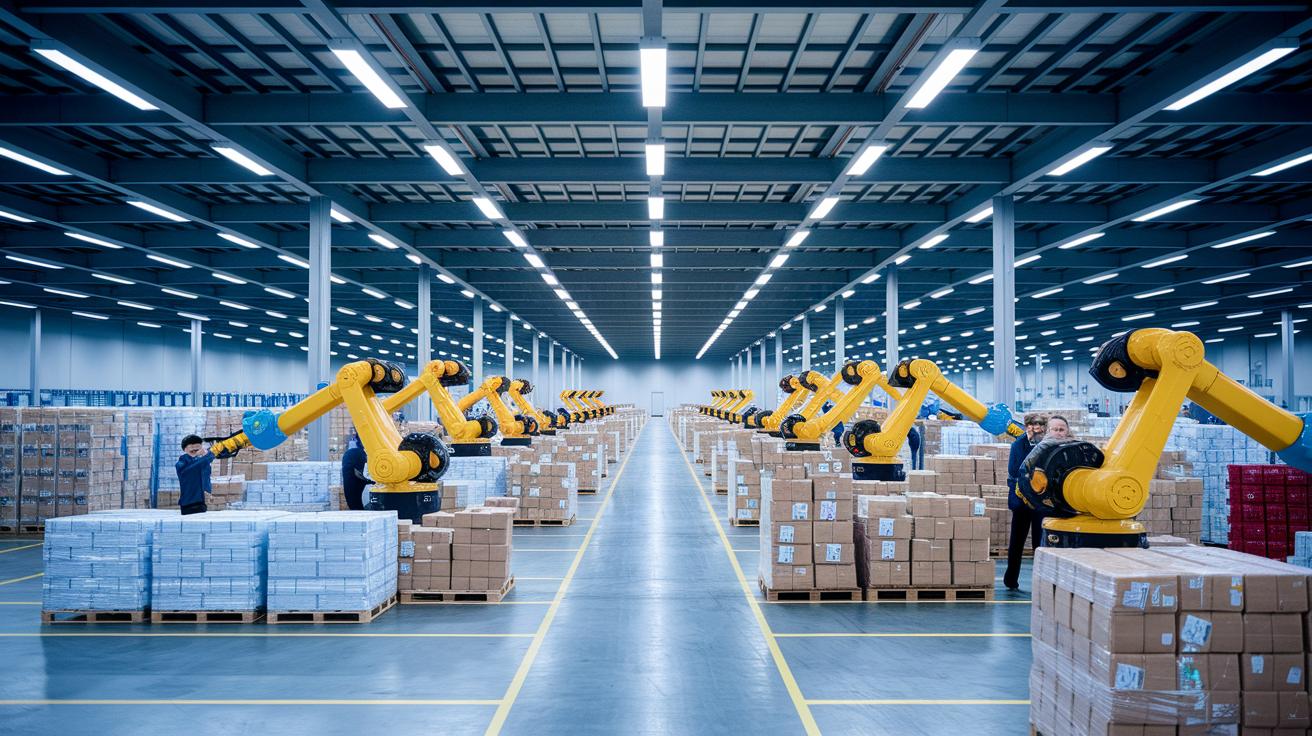
Many businesses see robotics automation as a smart financial move and a strategic upgrade rolled into one. With the warehouse automation market valued at $36 billion, it’s clear that companies are pouring resources into these systems. Leaders need to consider everything, from saved labor costs and growing market share to avoiding extra expenses, when calculating the return on investment. One company, for example, found that automating its sorting and picking processes led to noticeable labor savings within just a few months.
Predictive maintenance is another game changer. Regular sensor checks help keep robotic systems running smoothly, cutting down on unexpected stops and even extending equipment life. And when it comes to shipping, strategies like consolidating shipments and planning more efficient routes can significantly reduce transportation costs.
Even the design of a facility plays a big role. A smart layout can boost how much a warehouse handles without needing extra space. These design improvements tie in with the broader move toward digitizing supply chains, making operations more efficient and further slashing costs.
In short, decision-makers must balance short-term spending with long-term savings. Looking closely at all these factors makes it easier to see the real, tangible benefits of robotics automation.
Final Words
In the action, this article broke down how robotics automation is making ecommerce fulfillment quicker and smoother. It covered everything from cutting-edge warehouse tech to smarter inventory strategies, showing how tools like pick-to-light and mobile stock scanning speed up order processing. The coverage of integrating these systems with digital platforms and analyzing ROI brings forward actionable insights. Overall, embracing ecommerce robotics automation can accelerate orders, reduce mistakes, and boost your competitive edge in a customer-first market. Here's to faster, more reliable e-commerce growth.