

Ever wonder if a few smart tech tweaks could totally transform the way we shop online? Modern logistics is making sure every order flows smoothly from start to finish. With tools like real-time tracking and smart route planning, companies are cutting down errors and getting packages delivered faster. When every step, from inventory to the final delivery, is linked up, success turns from a chance into a solid strategy. Here are five technology wins sparking growth in ecommerce, showing that streamlined operations really make all the difference.
Integrated Ecommerce Logistics Technology for Streamlined Order Fulfillment
Integrated logistics tech brings together every step of fulfilling an order. It starts with inventory intake and moves through processing, packing, shipping, and finally the last-mile delivery. All these steps connect through one unified system that links suppliers, fulfillment centers, distribution hubs, sorting facilities, and carriers. Cloud-based logistics solutions and integrated order tracking systems create a smooth flow of information. In fact, 70% of shoppers say live order tracking is a must-have, and these tools deliver immediate updates to ease any concerns along the way.
Today’s customers expect a hassle-free, smooth experience where technology not only informs but speeds up the entire process. By tying down logistics software into one complete workflow, companies can cut down on errors and dodge delays. This digital setup builds transparency and trust as customers track their purchases in real time. And we all know, that kind of confidence can really boost purchase decisions and overall satisfaction.
- Invest in live tracking solutions that give real-time location updates.
- Optimize shipping routes with smart algorithms for quicker delivery.
- Partner with reliable third-party logistics providers to broaden your reach.
- Introduce robust order management systems for tighter control.
- Automate shipping label generation to cut manual tasks and boost accuracy.
A partner case study shows just how powerful fully integrated ecommerce logistics technology can be. In one example, syncing logistics software with cloud-based solutions streamlined operations at every step of the order process. The result? Over 90% on-time deliveries. That kind of efficiency not only builds customer trust but also perfectly demonstrates how digital logistics can transform operations. For more insights on creating an end-to-end workflow, check out our detailed overview on ecommerce operations.
Warehouse Management Systems and Robotics Innovations in Ecommerce Logistics Technology
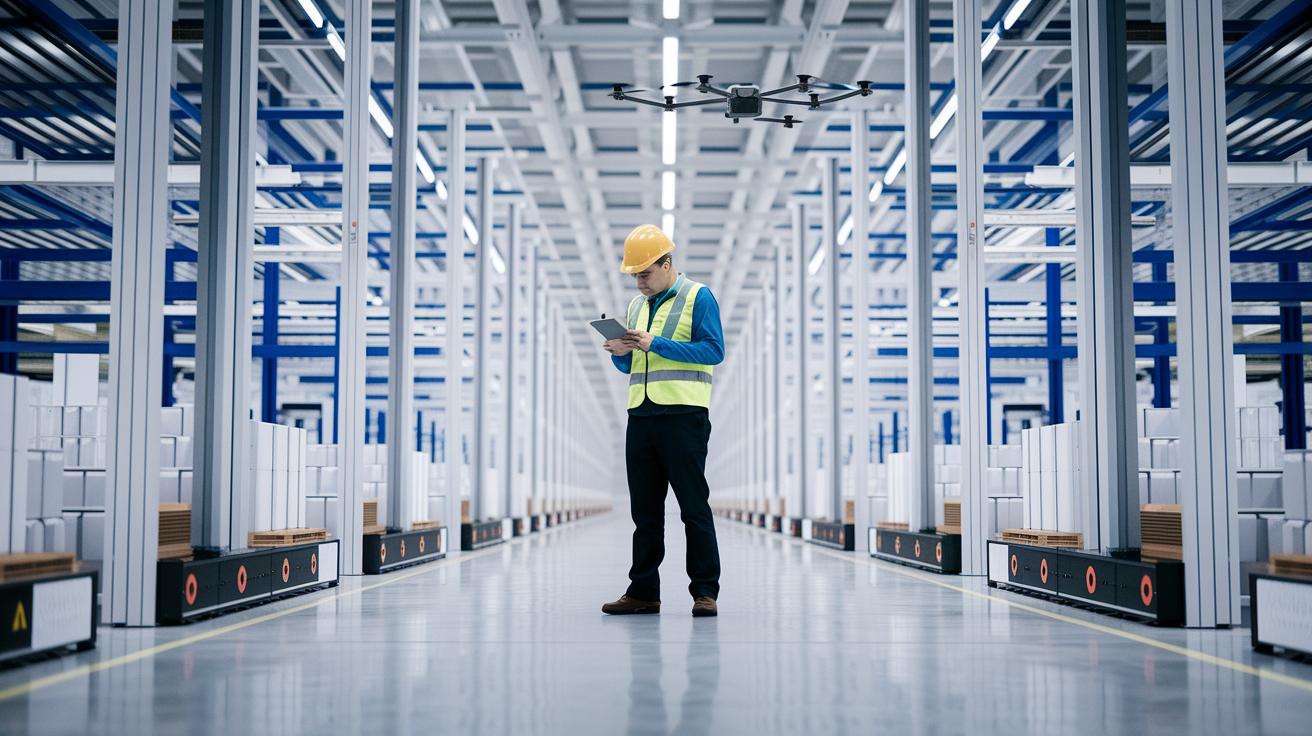
Modern warehouse management systems are completely changing how ecommerce companies handle their logistics. In 2023, the global warehouse automation market was estimated at $19.23 billion and is expected to grow at an annual rate of about 18.7% until 2030. Today, more than half of warehousing expenses, 55%, go to automated picking and packing. This shift towards efficient storage solutions helps retailers cut down on manual errors and reduce delays as order volumes continue to rise in a competitive market.
Smart tools like IoT sensors and AI-driven demand forecasting are powering this transformation. With IoT, businesses track inventory in real time, so they always know their stock levels and can avoid unexpected runouts. And with AI tools, like ai inventory management, they can analyze past and current data to predict busy periods. It’s great to see how this blend of technology not only modernizes inventory control but also keeps ecommerce operations agile and responsive to changing customer needs.
Robotics and intelligent warehouse layouts are also stepping up the game. Automated systems for picking and sorting reduce mistakes and speed up order processing, while optimized layouts cut down on workers’ travel time by as much as 30%. The result is a smoother fulfillment process that ensures ecommerce logistics operate with greater accuracy and faster delivery times.
Real-Time Tracking Systems and Visibility Software in Ecommerce Logistics Technology
Real-time tracking systems give you a clear view of your entire supply chain using modern IoT sensors and simple cloud dashboards. They update shipment details in real time, from the warehouse right to the customer's doorstep. For example, automated systems keep track of both location and condition so that problems can be spotted immediately. Adding visibility software takes all that raw data and turns it into clear, useful insights. Plus, self-service return portals help cut down on support issues by keeping everyone informed, almost like watching your package smoothly move through every stage.
For shoppers, live tracking is a game changer. It builds trust and often guides what they decide to buy, about 70% of customers even say these updates affect their choices. Branded tracking adds a friendly, personal touch with familiar interfaces that offer steady updates. Imagine getting a quick alert when your package is near your door; such a simple message turns potential delays into manageable events. This customer-first approach reassures buyers and makes handling small hiccups a breeze, keeping everyone confident throughout the delivery process.
| Feature | Benefit |
|---|---|
| IoT Sensors | Track location and condition |
| Cloud Dashboards | View the overall status in one spot |
| Automated Alerts | Quickly manage exceptions |
| Customer Portal | Receive personalized order updates |
Transportation Management and Last-Mile Delivery Optimization in Ecommerce Logistics Technology
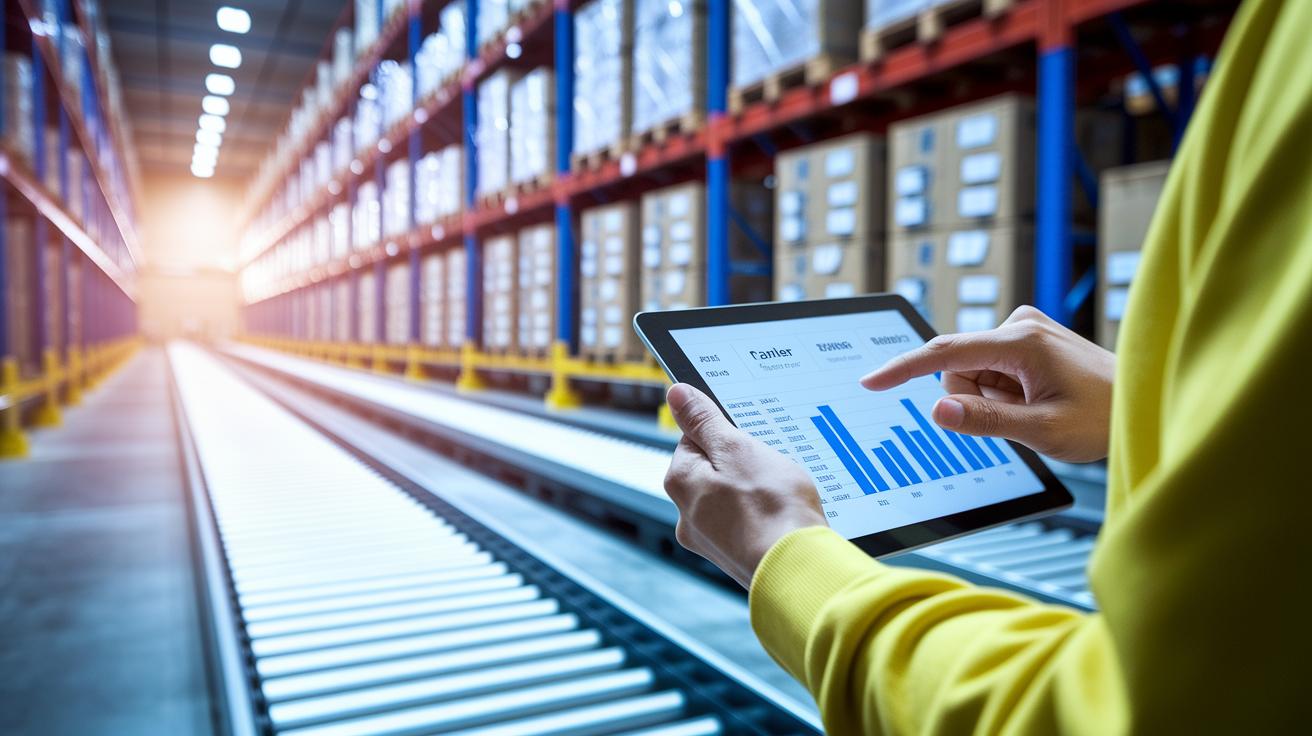
Transportation management systems simplify choosing the right carrier, negotiating fair rates, and checking shipments in ecommerce. They trim delays and cut costs by ensuring only the best carriers handle your deliveries. With last-mile delivery making up nearly 90% of fulfillment costs, these platforms help retailers spot areas of unnecessary spending, pushing for smarter, more efficient practices. They also cut through the clutter of paperwork and manual tasks, turning potential slowdowns into smooth, automated processes that move orders briskly from warehouse to doorstep.
Dynamic route planning brings a fresh twist when teamed up with micro-fulfillment centers for same-day order drops. This technology uses real-time traffic data to adjust delivery routes on the fly, meeting tight time frames and easing local delivery snags. It’s like having a smart assistant that minimizes delays and reduces fuel use, all while boosting driver responsiveness. Imagine the difference when orders reach customers faster, with fewer issues along the way.
Fleet management technology is another key player in keeping everything on track. By monitoring vehicle use and coordinating driver schedules, it makes sure each driver is used wisely and every vehicle operates at its peak. This helps cut down on delays and inefficiencies, which in turn speeds up delivery times and lowers costs. Together, these seamless systems echo the importance of smart route planning, robust transportation management, and proactive fleet oversight to boost customer satisfaction and streamline the last-mile delivery process.
AI-Driven Analytics and Demand Forecasting in Ecommerce Logistics Technology
Machine learning and clever algorithms are changing how online stores predict what customers will need. By mixing historical records with live data, these systems spot busy shopping times and potential hold-ups before they happen. Big data analytics works like a detective, revealing hidden cost factors that might fly under the radar. This smart approach converts heaps of operational data into clear, useful insights that help companies tweak their logistics and avoid stock issues. Just imagine a tool that flags upcoming shipping rushes so you can plan and add extra resources ahead of time.
Dashboards that track key stats like fill rates, on-time deliveries, and return percentages give managers a steady stream of feedback to fine-tune their plans. AI in logistics and supply chain data analytics turn scattered numbers into a cohesive picture of overall performance. With these insights, businesses can keep improving order fulfillment, cut down on delays, and save on unnecessary costs. This edge in analytics lets ecommerce companies quickly adapt to market shifts while keeping customers satisfied.
Cross-Border Shipping Systems and Sustainable Strategies in Ecommerce Logistics Technology
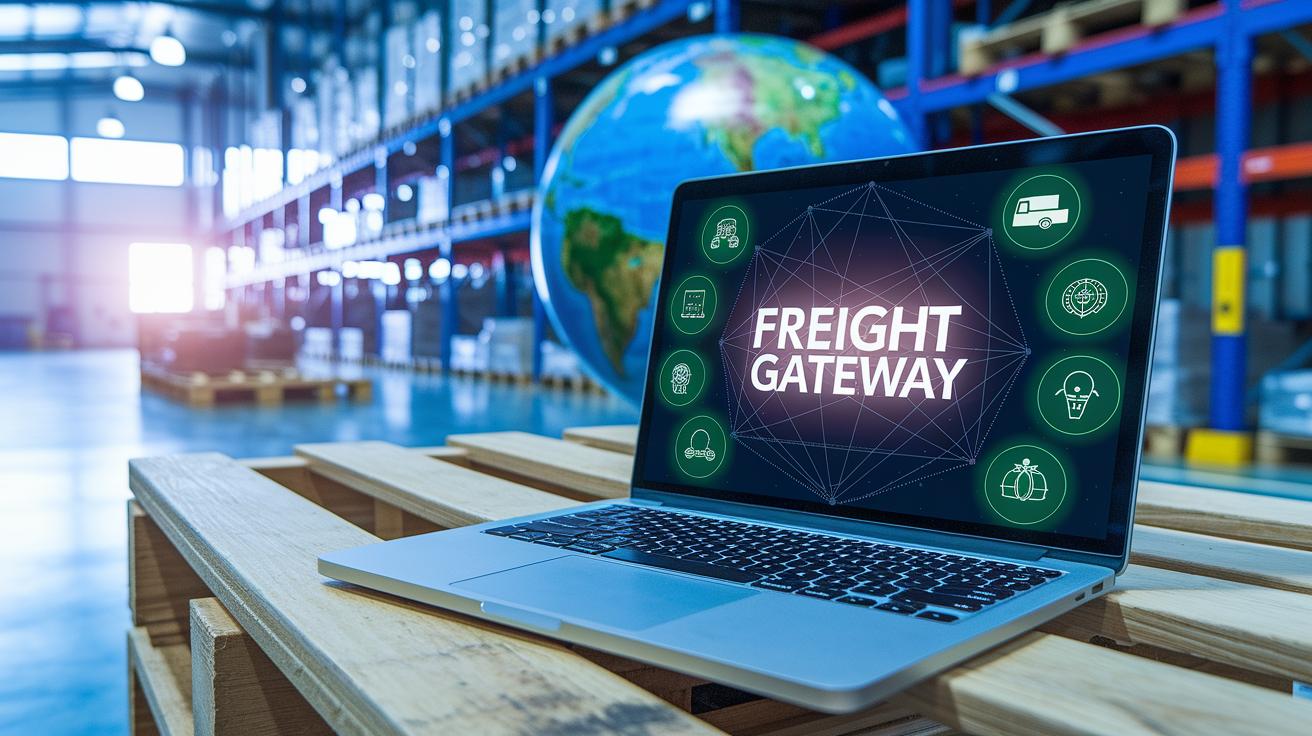
International shipments can quickly become a tangled mess of customs clearances, duties, and local rules. When these aren’t managed properly, delays and extra costs can pile up. Thankfully, digital freight forwarding platforms simplify this maze by handling paperwork automatically. Imagine a system that fills out and submits customs forms on its own, making a daunting task smooth and straightforward while slicing through potential human errors when every minute counts.
Sustainability is taking center stage as companies rethink how they move products across borders. More and more, businesses are adopting green practices like electric delivery fleets and biodegradable packaging to lessen environmental impacts. Picture a retailer switching to electric vehicles for last-mile delivery, drastically cutting emissions. This shift not only benefits the planet, but also aligns with consumer demand for eco-friendly operations, making it a win-win strategy.
Compliance tools are another indispensable part of smooth global shipping. They keep track of region-specific rules and raise timely alerts when risks emerge. By integrating with existing logistics systems, these modules automatically update policies as international regulations evolve. Companies investing in these smart solutions often save time and avoid expensive penalties, transforming the intricate world of cross-border logistics into a more manageable and sustainable operation.
Fulfillment Center Automation Impact on Ecommerce Logistics Technology: A Case Study
A global retailer recently gave its fulfillment operations a major upgrade by switching from manual label printing and sorting to fully automated systems. They replaced old-fashioned processes with advanced tools to ensure a smooth workflow from picking items to shipping them out, making the whole process feel like a well-oiled machine.
Imagine stepping into a warehouse where robotic arms quickly arrange packages and label printers work at lightning speed. The setup not only cuts down on errors but also speeds up every step. Plus, the new order management system updates data instantly, so support teams can fix issues before they become problems. And with a self-serve returns portal, customers can take care of returns in just a few clicks.
The results speak for themselves. The automated system boosted throughput by 25%, slashed support tickets by 30%, and lifted customer satisfaction by 15%. Deliveries have been on time more than 90% of the time. This case study clearly shows that advanced automation and integrated order management can really drive efficiency and growth in ecommerce logistics technology.
Final Words
In the action, our blog broke down how smart systems streamline everything from receiving inventory to last-mile delivery. We tackled the power of robotics in warehouses, real-time tracking for order transparency, and efficient routing for delivery management.
We also touched on AI-driven forecasting, cross-border shipping compliance, and a case study showing impressive results. Each element forms a crucial part of ecommerce logistics technology that empowers your operations and paves the way for a brighter future.
FAQ
Q: What are some e-commerce logistics examples?
A: The e-commerce logistics examples include processes like inventory receipt, order processing, packing, shipping, and last-mile delivery. They often involve fulfillment centers, distribution hubs, and live order tracking systems.
Q: What types of e-commerce logistics jobs exist?
A: The e-commerce logistics jobs span roles such as warehouse managers, order fulfillment coordinators, transportation planners, and logistics systems analysts who ensure smooth operations from inventory handling to delivery.
Q: What is referred to by an e-commerce logistics PDF?
A: The e-commerce logistics PDF typically describes guides or reports outlining integrated order fulfillment, advanced tracking systems, and best practices designed to optimize the entire supply chain process.
Q: How does e-commerce logistics tracking work?
A: The e-commerce logistics tracking works by using IoT sensors and cloud-based dashboards that deliver real-time updates on shipment location and condition, boosting transparency and customer confidence.
Q: What does the term e-commerce logistics mean?
A: The e-commerce logistics meaning covers all steps in a streamlined fulfillment process—from receiving inventory to shipping—ensuring orders are processed efficiently and delivered on time.
Q: What is the salary range for an e-commerce logistics manager?
A: The e-commerce logistics manager salary reflects experience and responsibility in managing fulfillment, transportation, and integrated tracking systems, with figures varying by region and company size.
Q: What is covered in an e-commerce logistics course?
A: The e-commerce logistics course covers key topics such as order fulfillment technology, transportation management, and data analytics, providing professionals with skills to optimize modern delivery operations.
Q: What does Maersk e-commerce logistics offer?
A: The Maersk e-commerce logistics offering provides integrated shipping and fulfillment solutions, combining route optimization, global shipping expertise, and digital tracking to support online retail operations.