
Retail is changing faster than at any time in modern commerce. Retail 2.0 is the era where AI stitches together discovery, pricing, checkout, and aftercare into a single, instant customer experience. Models power visual search, personalized recommendations, dynamic pricing, and chat-first assistants that match shoppers with the right products in milliseconds. But enabling that requires a lot of GPU horsepower — and that’s where the industry’s bottleneck crops up. In this thread I’ll break down how always-on shopping assistants work, why traditional cloud stacks are straining, and how decentralized GPU networks aim to unlock the scale and speed Retail 2.0 needs.
Retail 2.0: The AI Leap That Changes Everything

Retail is changing faster than at any time in modern commerce. Retail 2.0 is the era where AI stitches together discovery, pricing, checkout, and aftercare into a single, instant customer experience. Models power visual search, personalized recommendations, dynamic pricing, and chat-first assistants that match shoppers with the right products in milliseconds. But enabling that requires a lot of GPU horsepower , and that’s where the industry’s bottleneck crops up. In this thread I’ll break down how always-on shopping assistants work, why traditional cloud stacks are straining, and how decentralized GPU networks aim to unlock the scale and speed Retail 2.0 needs.
AI Shopping Assistants: 24/7 Salespeople
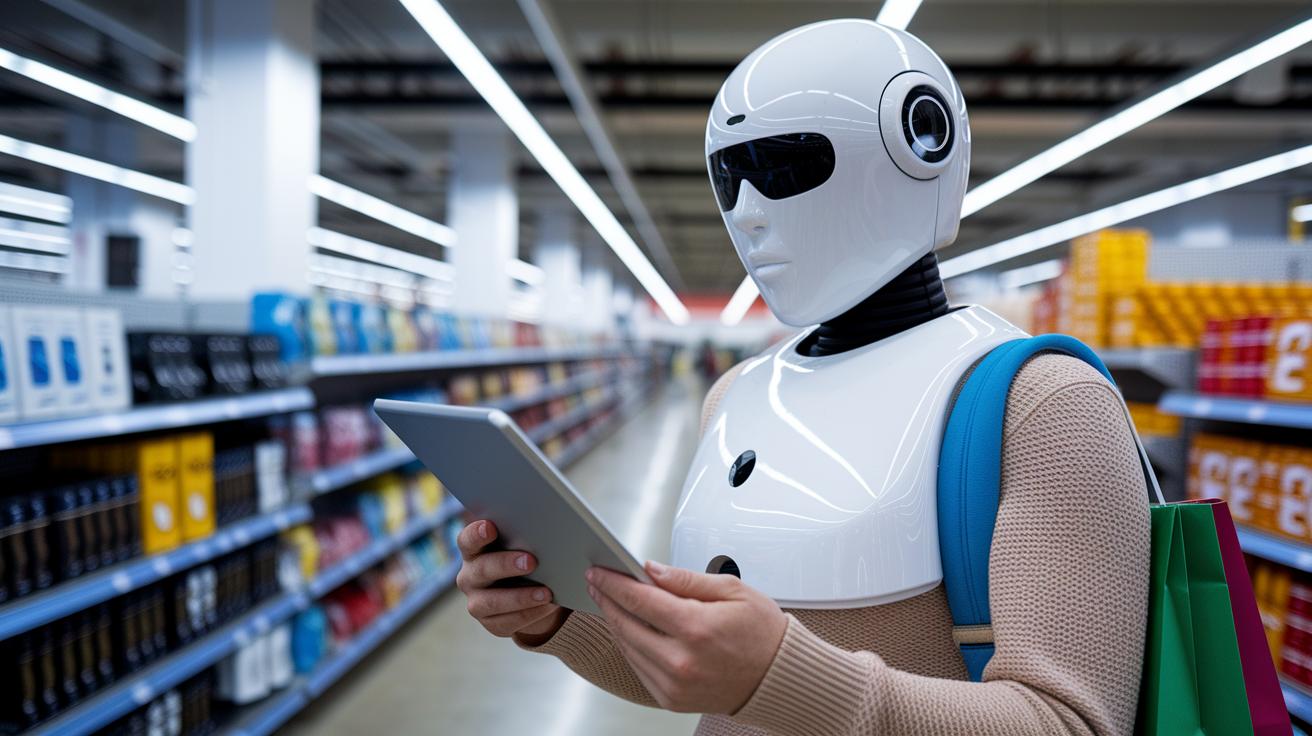
AI shopping assistants are the frontline of Retail 2.0: conversational agents, recommendation engines, and visual search tools that can rival the best human salespeople while operating at global scale. They don’t sleep and they don’t stop , continuously personalizing offers, guiding discovery, answering product questions and automating post‑purchase care. That always-on behavior needs fast, repeated model inference and frequent retraining, which depend on GPUs. The current GPU shortage is the hard truth behind the buzz: constrained hardware capacity drives up costs, forces aggressive batching or model simplification, and threatens the real-time, hyper-personalized experience consumers expect.
Why the Cloud Isn't Enough: Latency, Costs, and Capacity

Traditional cloud providers powered the first wave of online retail, but they’re showing limits when retailers push heavy AI workloads. Centralized clouds introduce latency when requests travel to distant data centers , a problem for features like live visual search or voice assistants. Scarcity of specialized GPUs causes queuing and unpredictable spin-up times; regional availability gaps can slow rollouts. Cost models built for VMs and storage don’t map cleanly to bursty, high-throughput GPU inference; hidden egress fees and high hourly GPU rates balloon operational budgets. For merchants, that means either accepting slower experiences or facing steep compute bills that undercut margins.
Decentralized GPUs , Aethir's Approach to the GPU Crunch
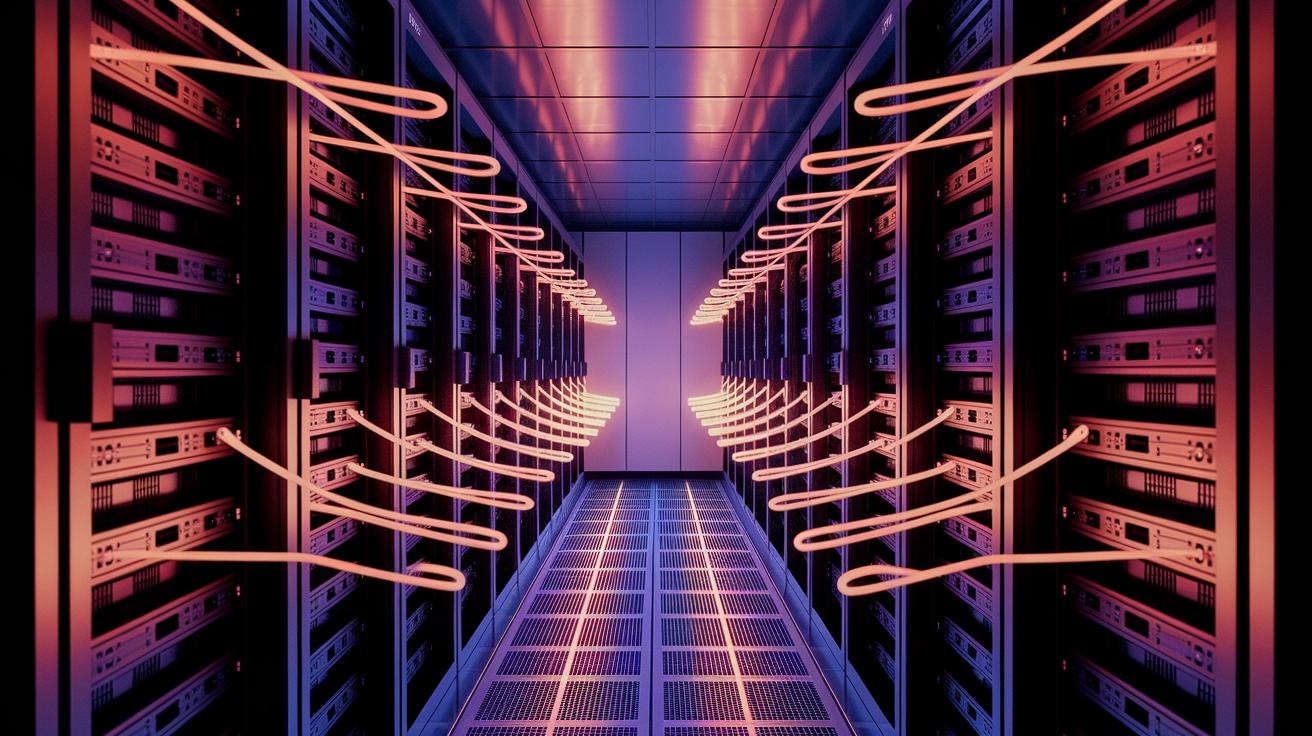
Aethir proposes an alternative: a decentralized GPU network that pools distributed compute across many sites, unlocking spare capacity and routing workloads closer to users. By turning idle GPUs into a shared resource, decentralized marketplaces can reduce unit costs, lower latency for inference, and scale more elastically than rigid public cloud quotas. For retailers that need bursty inference for visual search or per-user pricing, this model promises cost savings plus performance improvements. Implementation challenges remain , secure task scheduling, reliability, and compliance , but if the network can provide provable execution, it could be the GPU backbone that finally enables Retail 2.0 at global scale.