
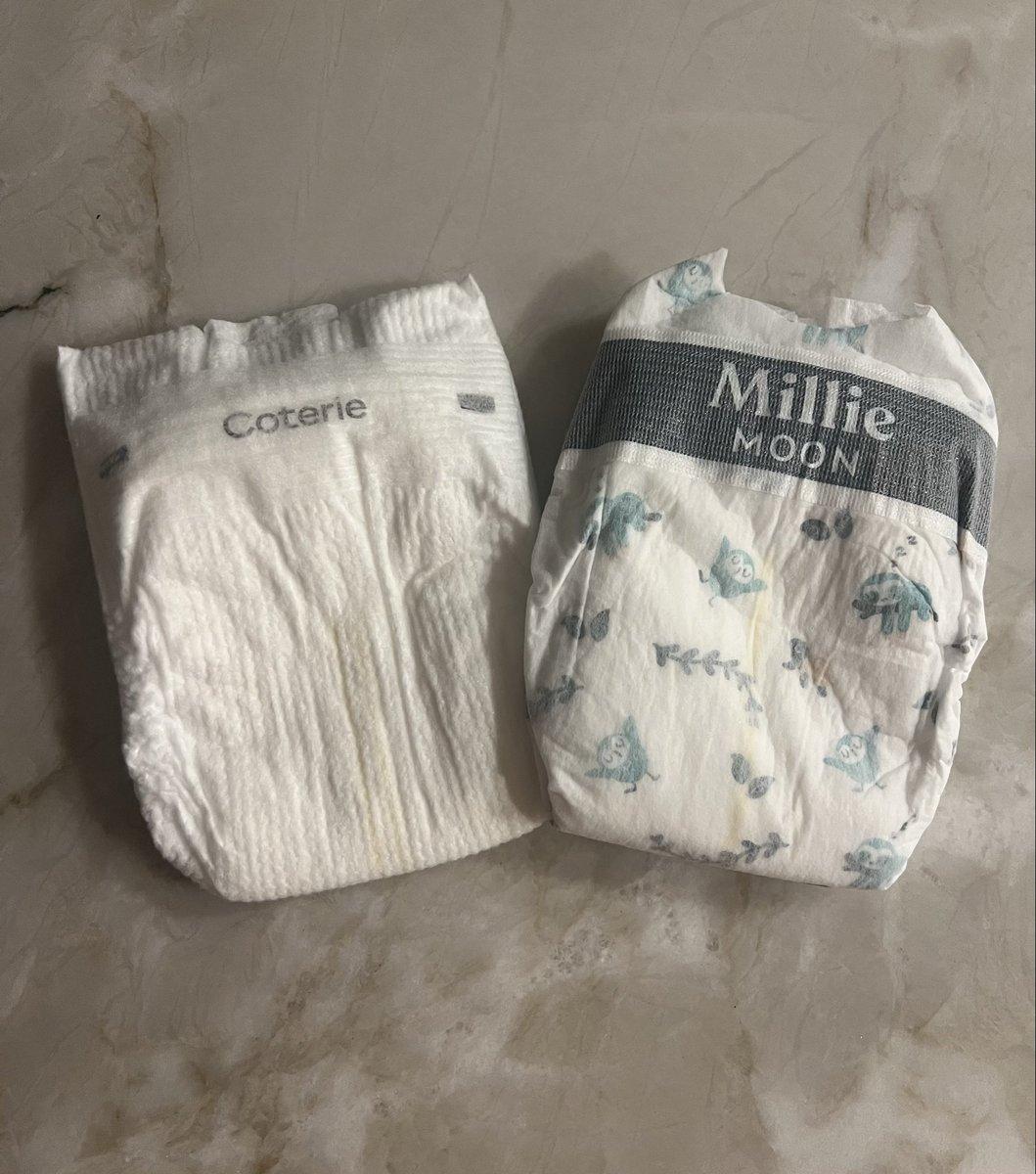
After 14 days as a first-time dad I’ve learned more than any book could teach me. Babies go through 10–15 diapers a day; I started clueless and ended up over 100 diaper changes deep and surprisingly proud. Continuous sleep evaporated — nights now come in 30-minute to 2.5-hour chunks — and yet a mysterious dad mode kicked in, unlocking another gear I didn’t know I had. Breastfeeding is a learning curve for both baby and mom; swaddling with a regular towel is clumsy so cheat swaddles with straps are lifesavers. Having prepped meals at hand made everything manageable. Staring down at that small, perfect person — indescribable love.
What 14 Days as a First-Time Dad Taught Me
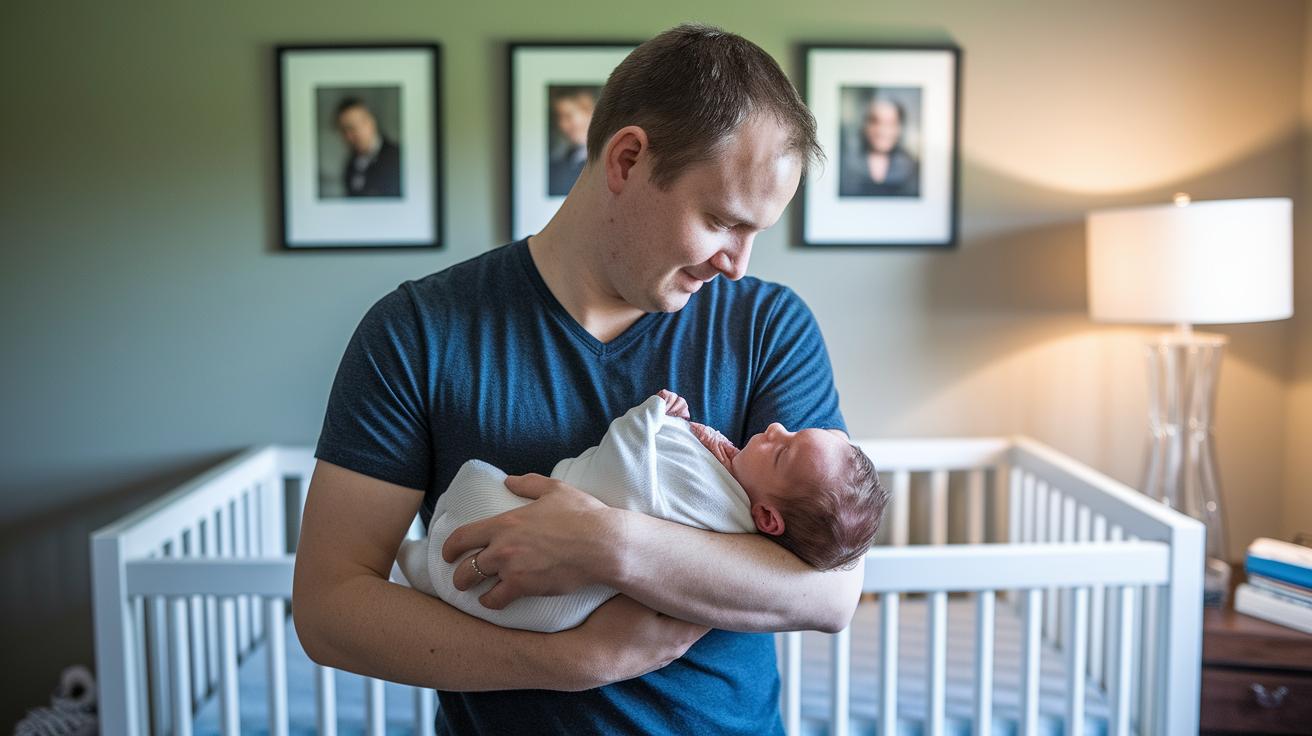
After 14 days as a first-time dad I’ve learned more than any book could teach me. Babies go through 10–15 diapers a day; I started clueless and ended up over 100 diaper changes deep and surprisingly proud. Continuous sleep evaporated , nights now come in 30-minute to 2.5-hour chunks , and yet a mysterious dad mode kicked in, unlocking another gear I didn’t know I had. Breastfeeding is a learning curve for both baby and mom; swaddling with a regular towel is clumsy so cheat swaddles with straps are lifesavers. Having prepped meals at hand made everything manageable. Staring down at that small, perfect person , indescribable love.
Diaper Reality: 10–15 Diapers a Day (Tips and Supplies)
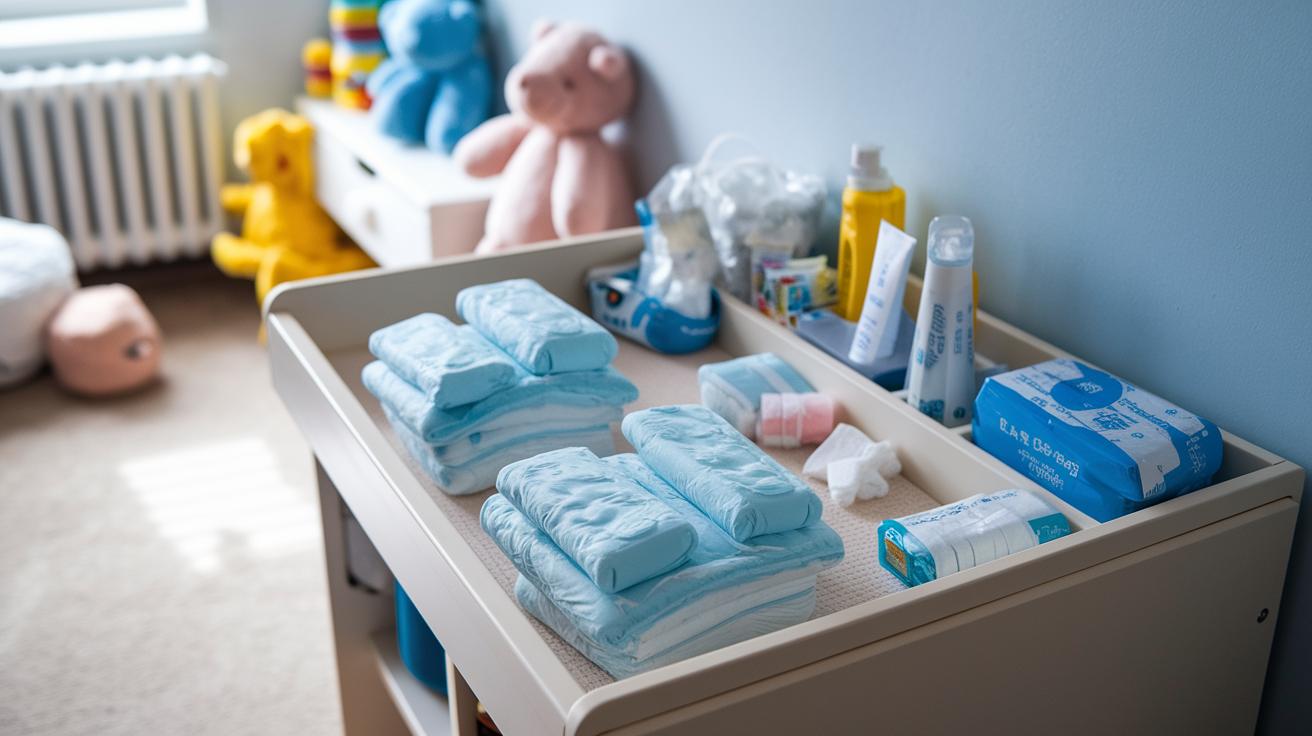
10–15 diapers a day is not hyperbole: newborns eat and soil diapers constantly. Stock up: change table stocked with diapers (2–3 days at home), wipes, cream, disposable bags, and a small hand sanitizer. Keep a travel-ready diaper bag with 8–10 diapers, extra clothes, and a changing pad. Tip: set a clean station on every floor if you have a multi-level home. For rashes, apply a thin layer of zinc oxide and air out when possible. Scented disposal bags reduce smells. Test a few brands; some babies react, others love. Preparation is the real parenting hack.
From Novice to Ninja: Mastering 100+ Diaper Changes
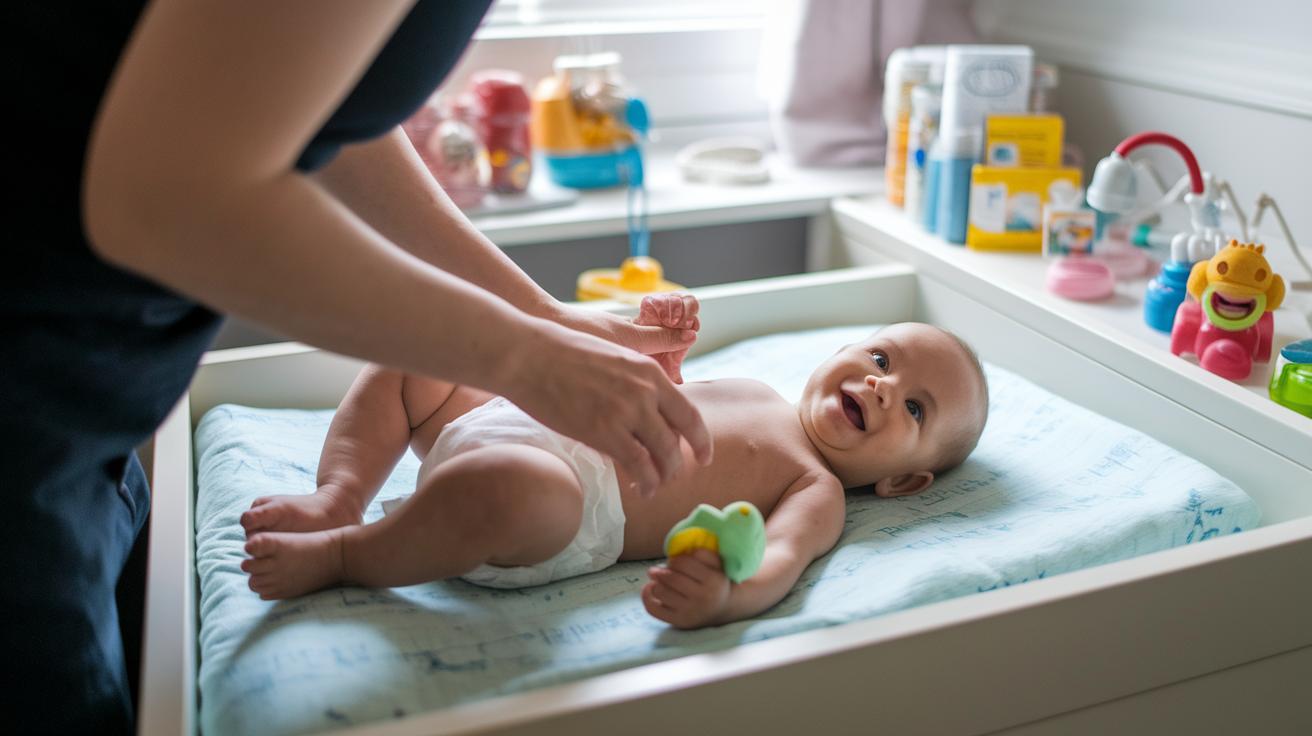
At first, changing a diaper felt like disarming a bomb. After 100-plus changes I find speed and calm replace panic. Learn a few basics: always have supplies within reach; use fast, smooth motions; wipe away from tiny folds; unfasten onesies before you start; use distraction, soft noises or a toy, during messy cleanups. Practice builds a mental checklist and efficient hands. Don’t rush hygiene: be thorough but quick. Keep a spare outfit handy (for you and baby). Celebrate small PRs, faster, cleaner changes are real wins. Repetition truly teaches competence.
When Sleep Disappears: Coping with 30-Minute to 2.5-Hour Chunks
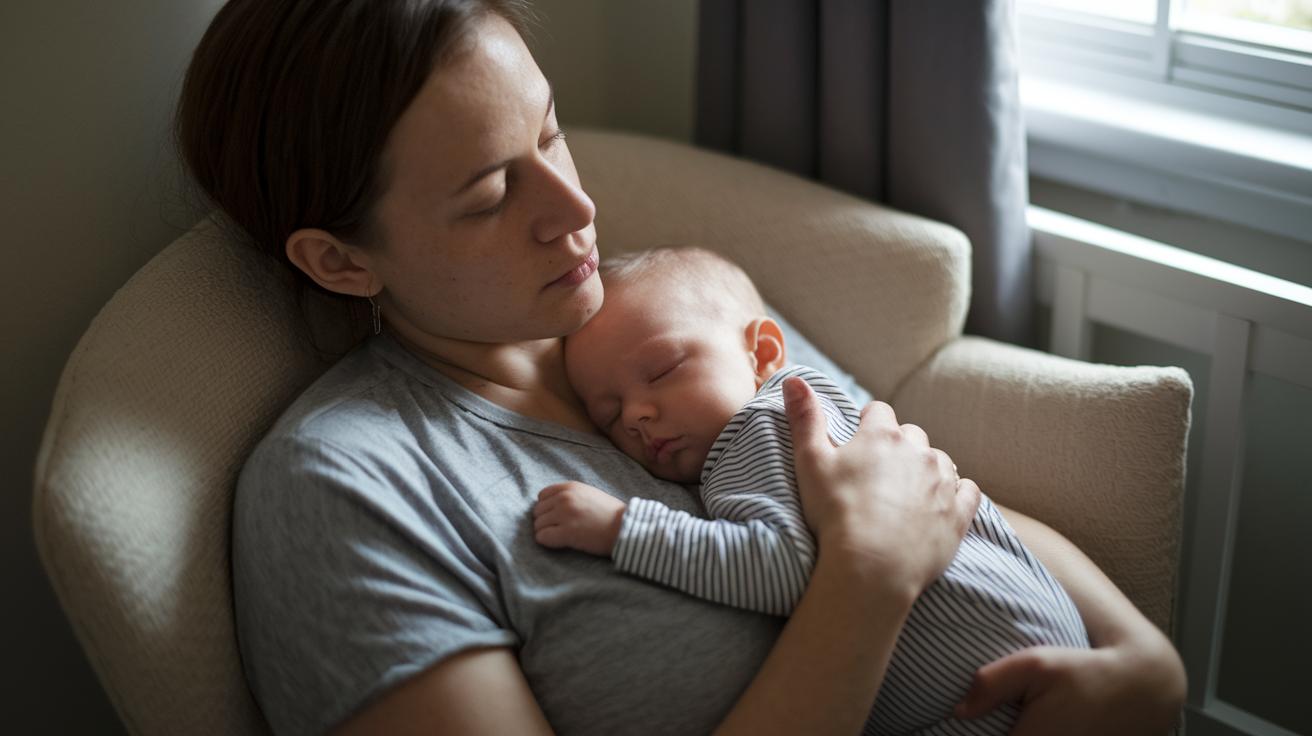
Forget deep, unbroken nights for a while. Newborn sleep comes in short clusters, 30 minutes to a couple of hours, and that’s normal. Coping starts with acceptance: plan for naps, rotate night duties with your partner, and prioritize micro-sleeps when the baby naps. Create a sleep toolkit: blackout curtains, white noise, a safe place to nap nearby. Avoid big caffeine spikes late in the day; short relaxation techniques help you fall asleep faster. If exhaustion builds, ask for help from family or a postpartum doula. Over time, patterns emerge and pockets of longer sleep return. Patience and teamwork are essential.
Dad Mode: How Parenthood Activates a New Gear
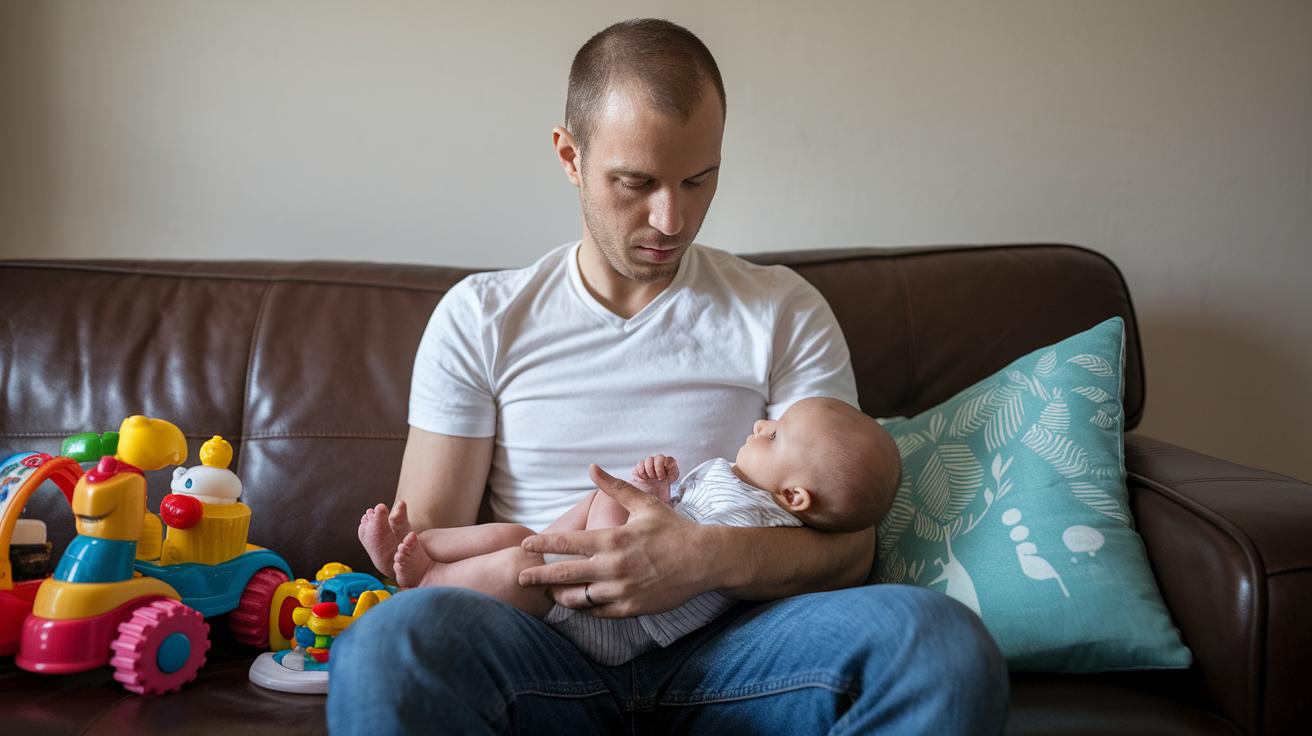
'Dad mode' isn’t just a meme , it’s a real shift. There’s a focused calm and problem-solving sprint that kicks in when your child needs you. Tasks that felt impossible last month become routine: swaddling, changing, packing a diaper bag at the drop of a hat. You’ll get better at reading tiny cues , the difference between a hungry fuss and a tired whimper. Emotionally you’ll cycle from vulnerability to fierce protectiveness; it’s an unexpectedly generous blend. Communicate with your partner: share wins, ask about stress, and celebrate small victories. Parenthood rewires priorities, and that new gear keeps you going.
Breastfeeding Is a Learning Process for Mom and Baby

Breastfeeding surprised me as a joint learning experience for baby and mom. Latching issues, positioning, and timing are common early challenges, none of it beats patience. Tips that helped: short practice feeds during awake windows, varied holds (football, cross-cradle), using nursing pillows for support, and calling a lactation consultant when things stall. Partners can help by tracking feeds, offering burp breaks, bringing water and snacks to nursing sessions, and managing pumped milk logistics. Expect cluster feeding in the evenings and fluctuating supply early on. Celebrate small wins , a comfortable latch, longer feeds , consistency builds confidence and supply.
Swaddling: Cheat Swaddles with Straps Make Life Easier
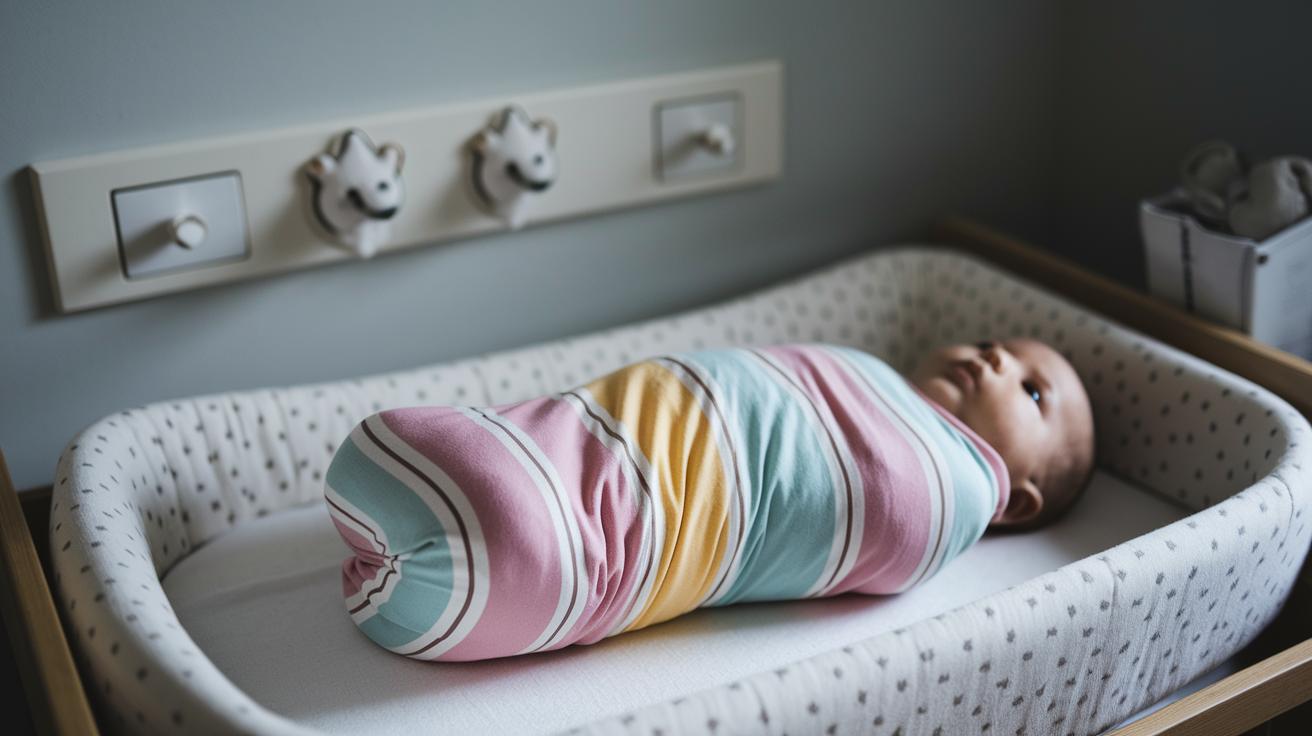
Swaddling felt awkward at first, folding towels and fumbling wings didn’t work at 2 a.m. Cheat swaddles with straps or Velcro fastenings changed everything. Products like SwaddleMe or Halo SleepSack let you secure arms snugly without wrestling fabric, making nighttime calming faster and safer. Safety notes: keep the hips loose to prevent hip dysplasia, avoid overheating, and stop swaddling once the baby starts rolling. Practice a quick-release move so you can respond to startle reflexes without delay. For travel, a compact swaddle plus a swaddle-cloth covers emergencies. Little tools like this give exhausted parents actual rest.
Zipper Onesies: Why They're Superior to Buttons
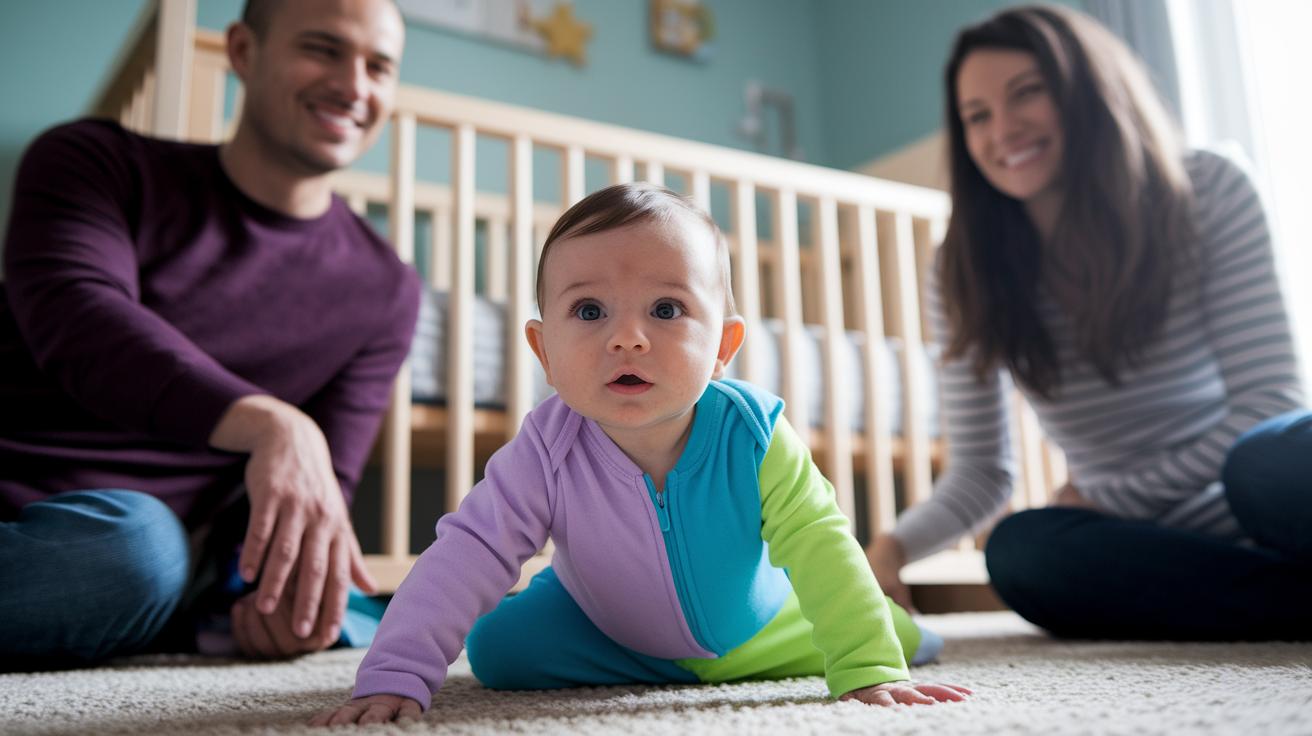
A friendly reply nailed it: zipper onesies are superior. After testing buttons vs zippers, I agree, zippers save time, reduce fumbling, and keep baby warmer during superficial undressing. Two-way zippers are a winner: unzip from the bottom for quick diaper changes without fully removing clothing. Look for designs with zipper guards to protect delicate skin, and always check that the zipper isn’t stiff or snagging. For middle-of-the-night changes the difference is massive, one smooth pull instead of wrestling snaps. They’re a small purchase with big payoff: less stress, fewer exposed toes, and faster cleanups on little sleep.
Tracking My Diaper PR: Turning Parenting into a Game

One reply joked about tracking a PR, and why not? Turning everyday parenting chores into micro-goals can inject fun and focus. Track diaper-change times, the longest stretch of sleep, or how quickly you can calm a fussy baby. Use a simple notes app or dedicated baby tracker like Glow, Feed Baby, or Huckleberry. The data is practical, too: you’ll spot feeding-to-poop patterns, cluster-feeding windows, and what soothes your baby fastest. Don’t obsess, this is about curiosity and patterns, not perfection. Share entertaining stats with your partner, laugh at tiny milestones, and use insights to tweak routines.
Meal Prep & Practical Support: The Unsung Hero of New Parenthood
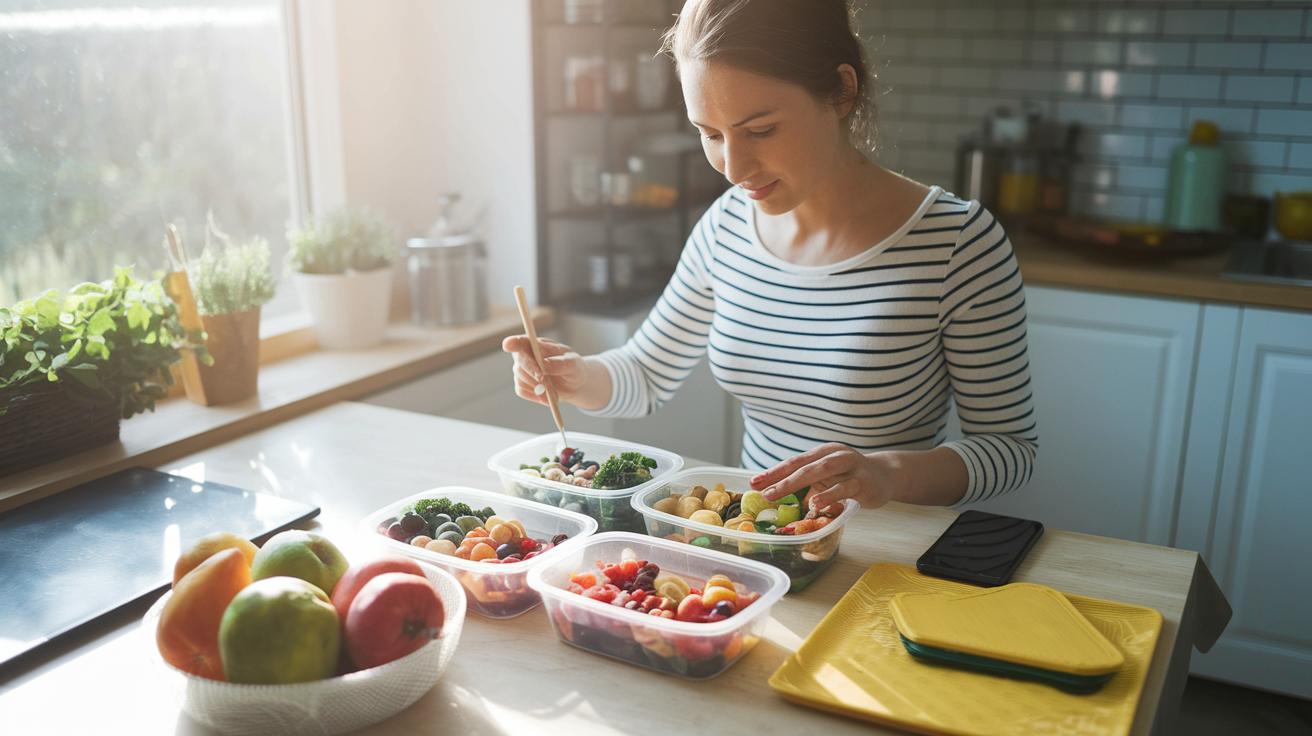
Meals made life tangibly easier. Having pre-cooked food on hand meant fewer decisions and more time for naps or diaper runs. Simple strategies: batch-cook freezer meals, use the Instant Pot for one-pot dinners, and keep nutritious snacks accessible (nuts, yogurt, pre-cut fruit). Ask family or friends for a meal train; requests for simple staples, casseroles, soups, or lasagnas, are appreciated. If cooking isn’t feasible, set up grocery delivery or healthy ready-made options. The small convenience of reheatable dinners reduces stress and keeps energy up. Practical support, meals, laundry help, or short babysitting windows, makes early days manageable.