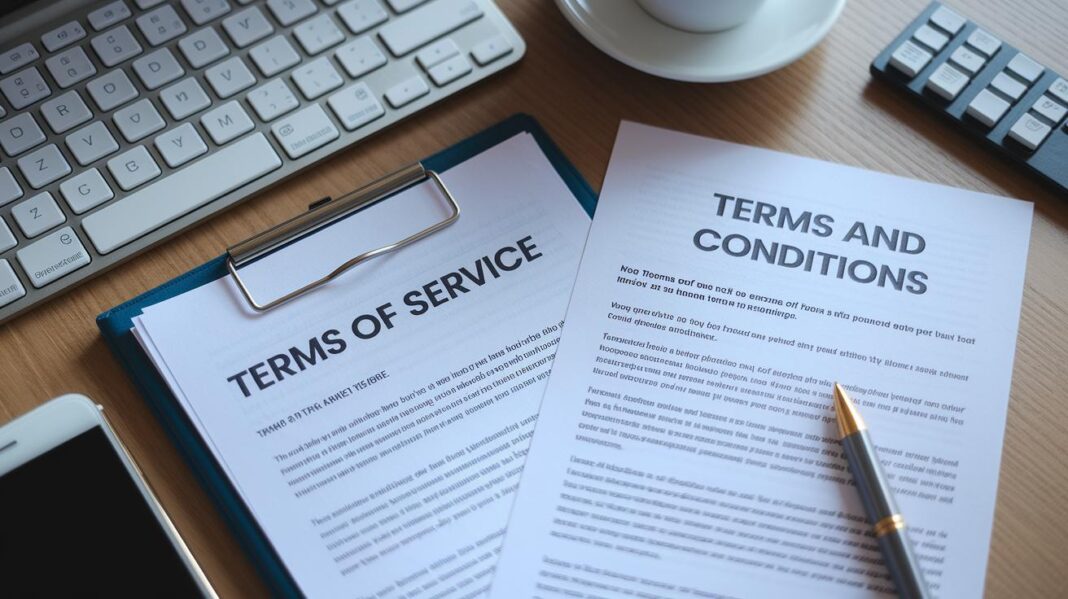
Ever been daunted by those lengthy legal pages on a website? You're in good company. Many people mix up Terms of Service and Terms and Conditions, thinking they're one and the same. In reality, each set of rules plays its own unique role. The Terms of Service cover the big picture, like the overall house rules of a platform. Meanwhile, the Terms and Conditions dig into the nitty-gritty details of how you should behave while using the site.
In this guide, we break down both agreements so you can see how they work together. It’s all about keeping things clear and fair for everyone. So, let’s dive in and explore which set of terms really matters when you want to understand your rights and responsibilities online.
Core Overview of Terms of Service vs Terms and Conditions

When you run an online platform, you need clear rules everyone can follow. The Terms of Service usually cover the broad picture, what users must do, who owns the content, and where the platform's responsibility starts and ends. It’s the big umbrella that sets up the overall framework.
Inside this big agreement, the Terms and Conditions break things down further with specific rules to guide user behavior. Both parts have legal teeth that protect the business while setting clear expectations for users.
| Term | Definition |
|---|---|
| Terms of Service | This comprehensive contract explains overall platform use, user duties, ownership rights, and limits of liability. |
| Terms and Conditions | This section lays out the specific rules that users are expected to follow within the broader agreement. |
Together, these agreements build a solid legal foundation. The Terms of Service give you a broad overview, while the Terms and Conditions focus on the details. By splitting up the information this way, businesses can reduce confusion and build trust with their users.
Principal Differences Between Terms of Service and Terms and Conditions

Terms of Service sets the stage for how a platform operates. It spells out the big picture rules, covering user behavior, intellectual property, and overall liability. For instance, a subscription service might include everything from securing account access to limiting usage under its Terms of Service, giving users a clear view of the platform’s policy landscape.
Naming also plays a key role. Many companies use "Terms of Service" for their all-encompassing agreements, while "Terms and Conditions" zooms in on the specific rules users need to follow. One popular online retailer even found that standardizing these names reduced customer questions by 30%. This kind of clear labeling helps avoid confusion and shows the company’s commitment to transparency.
The way legal liability is handled differs between the two. The Terms of Service often highlights limits on liability and includes disclaimers to protect the business. On the other hand, the Terms and Conditions detail the exact responsibilities and rules for users. Together, they offer both broad legal protection and a clear set of guidelines, ensuring that consumers understand the overall framework as well as the finer details.
Common Clauses in Terms of Service and Terms and Conditions

Both agreements usually spell out who owns the content and how you’re allowed to use it. They include a clause on intellectual property that tells you what’s owned by whom and grants you a license to access digital materials. Often, you’ll see a section on liability limits, sometimes even in all caps like "LIMITATIONS OF LIABILITY APPLY", to quickly set clear expectations.
Dispute resolution is another common feature. These clauses lay out simple steps for handling conflicts, whether it’s through mediation, arbitration, or taking matters to a specific court. It’s a practical way to make sure both the platform and its users know what to do if disagreements pop up.
Lastly, many agreements include provisions for severability and amendments. A severability clause means that even if one part of the contract isn’t valid, the rest still holds up. Amendment provisions explain how and when the contract can be updated as the platform evolves and industry standards change.
Choosing Between Terms of Service and Terms and Conditions for Your Platform

When setting up your platform's legal framework, the name you choose depends on your service model and the regional guidelines you follow. In many areas, local laws may favor one term over the other. For example, platforms with subscription models or SaaS solutions often go with Terms of Service. A typical statement might read, "Our Terms outline your rights and how we keep your experience secure."
Clear, straightforward language is key when drafting these legal sections. Instead of rehashing common ideas, focus on making the terms easy to understand right away. You could add a short note like, "Review our Terms to quickly see your rights and responsibilities," which offers both clarity and practical guidance without unnecessary repetition.
Using one consistent term throughout your site also helps to avoid confusion and boosts your brand's reliability. Stick to a unified label that reflects both what you offer and the simplicity of keeping your updates hassle-free. In the end, your choice should blend legal integrity with clear, user-friendly communication.
Frequently Asked Questions on Terms of Service vs Terms and Conditions

Can these terms be used interchangeably? Sure, they both refer to the legal rules set between a company and its users. That said, using one consistent label across your platform helps avoid any confusion. Fun fact: one well-known platform saw a 25% drop in confusion after they streamlined their legal documents.
What happens if I rename my policy later? Changing the name can leave users a bit unsure, wondering if it affects their rights or responsibilities. A short note suggesting they check out the most recent wording of the policy can go a long way in putting those concerns to rest.
Where should the terms page be displayed? Typically, you’ll find it through footer links, pop-up prompts, or during account sign-up. This makes it easy for customers to locate the information whenever they need it.
How do I create my own terms? There are plenty of DIY guides available that outline 14 key sections you should include. These guides make the process approachable, even if you’re not a legal expert.
Why do companies use different labels? Often, it’s just a stylistic or organizational choice that fits with a company’s overall branding strategy.
Final Words
In the action, we explored the differences and similarities between terms of service vs terms and conditions by examining core definitions, scope, and contract clauses. We broke down how each part plays a role in establishing clear user guidelines and managing liability.
This review equips you with a practical understanding that supports sound decision-making in your e-commerce strategy. Embracing clear agreements boosts confidence in your operations and paves the way for smart, forward-thinking business growth.
FAQ
Q: What are the differences between terms of service templates and terms and conditions samples?
A: The question about terms templates versus samples shows that a terms of service template offers a broad framework for user rules, while a terms and conditions sample details specific guidelines and responsibilities.
Q: What do terms and conditions examples illustrate?
A: The query about terms and conditions examples suggests that these examples demonstrate how to clearly outline user rights, guidelines, and restrictions in an online agreement tailored to protect both the business and its users.
Q: How do terms of service differ from privacy policies?
A: The question comparing terms of service and privacy policies indicates that terms of service focus on user behavior and platform rules, while privacy policies deal with how user data is collected, used, and protected.
Q: What are some examples of well-known terms of service?
A: The question regarding popular terms of service examples implies that companies like Google provide detailed policies that cover user access, liability limitations, and intellectual property guidelines, setting a standard in digital agreements.
Q: How does a terms of service generator assist businesses?
A: The question about terms of service generators shows that these tools help create a basic legal framework quickly, guiding businesses to include essential clauses while reducing the initial drafting workload.
Q: What distinguishes Google’s terms of service from others?
A: The question about Google’s terms of service suggests that Google’s policies are noted for their extensive detail, clear language, and user-friendly presentation, offering transparency on platform usage and liabilities.
Q: How do terms of use align with terms and conditions?
A: The question regarding terms of use indicates that both terms of use and terms and conditions serve as legal guidelines, with terms of use often focusing on specific user actions and restrictions within a platform.
Q: Are terms of service, terms and conditions, and service agreements interchangeable?
A: The question about interchangeability implies that while these terms all create binding contracts, they differ slightly based on context, with service agreements sometimes including additional details beyond standard terms.
Q: Are terms of service legally enforceable contracts?
A: The question about enforceability explains that terms of service are legally binding contracts if they are clearly written, agreed to by users, and presented in a manner that meets legal requirements for consent.
Q: What are the three types of terms in a contract?
A: The question on contract types implies that contracts typically include conditions, warranties, and representations, each designed to outline different levels of obligations and assurances between the parties.