
Ever notice how leaving out a single clause can flip a good deal into a legal mess? Clear sale terms are like a straightforward roadmap, they show both buyer and seller what to expect when it comes to payment, delivery, and returns. It means everyone’s on the same page, knowing exactly what to do and when.
In this piece, we break down how well-defined terms build trust, cut through confusion, and make transactions feel safe. Read on to see how these simple rules can boost your confidence and keep your deals secure.
Understanding Terms of Sale: Definitions, Rights, and Obligations

Terms of sale are the clear guidelines that explain how goods or services are exchanged between a seller and a buyer. They break down what each party expects, from when you need to pay and how the item is delivered, to the process for returns and warranty details. Imagine buying a $1,000 laptop online: you’d often pay at the time of purchase, enjoy free shipping, have 30 days to return it if unused, and receive a one-year warranty against manufacturing defects. It’s all about making sure everyone knows the deal right away.
- Price
- Payment method
- Delivery
- Return policy
- Warranty
Well-written terms like these help lower legal risks by setting clear rules for the transaction. When both sides clearly know their duties, any surprises can be sorted out quickly. This transparency not only cuts down on potential arguments but also smoothens the whole buying process because both parties are aware of payment deadlines, delivery dates, and return or warranty steps. By using everyday language to explain these points, businesses create a reliable foundation for fair and simple agreements.
Common Clauses in Sales Agreements and Their Functions

Sales agreements are built on straightforward clauses that help both sellers and buyers know exactly what to expect. Once a seller gets their goods ready for delivery, the terms kick in, protecting everyone from mix-ups or unexpected surprises.
Price and Payment Terms
This clause spells out what the buyer needs to pay and when those payments should be made. It might say the full amount is due at order placement or break the payment into easy installments. A clear payment plan keeps things running smoothly and avoids delays.
Delivery and Risk Transfer
Here, the agreement clearly states when the responsibility for the goods shifts from the seller to the buyer. Think of it like ordering something online, the risk passes over when the item ships. This way, both parties understand who’s in charge if any damage or loss occurs during transit.
Warranty and Returns
This section covers how long any guarantees last and the conditions under which returns are accepted. For example, it might allow a 90-day window for the customer to return items if they’re defective. It makes sure everyone knows what to do if something isn’t right.
Limitation of Liability
This clause sets a cap on any potential damages and usually leaves out indirect losses. It clearly defines the maximum responsibility for both sides if things go off track, acting as a financial safety net.
Assignment and Subcontracting
This part explains the rules for transferring contract rights to another party. Companies often tailor these terms to fit their risk tolerance, ensuring they have the flexibility to delegate responsibilities when needed.
Customizing these clauses allows businesses to adjust agreements to fit their unique needs, keeping everything fair and clear for all involved.
Specifying Delivery and Shipping Provisions in Terms of Sale
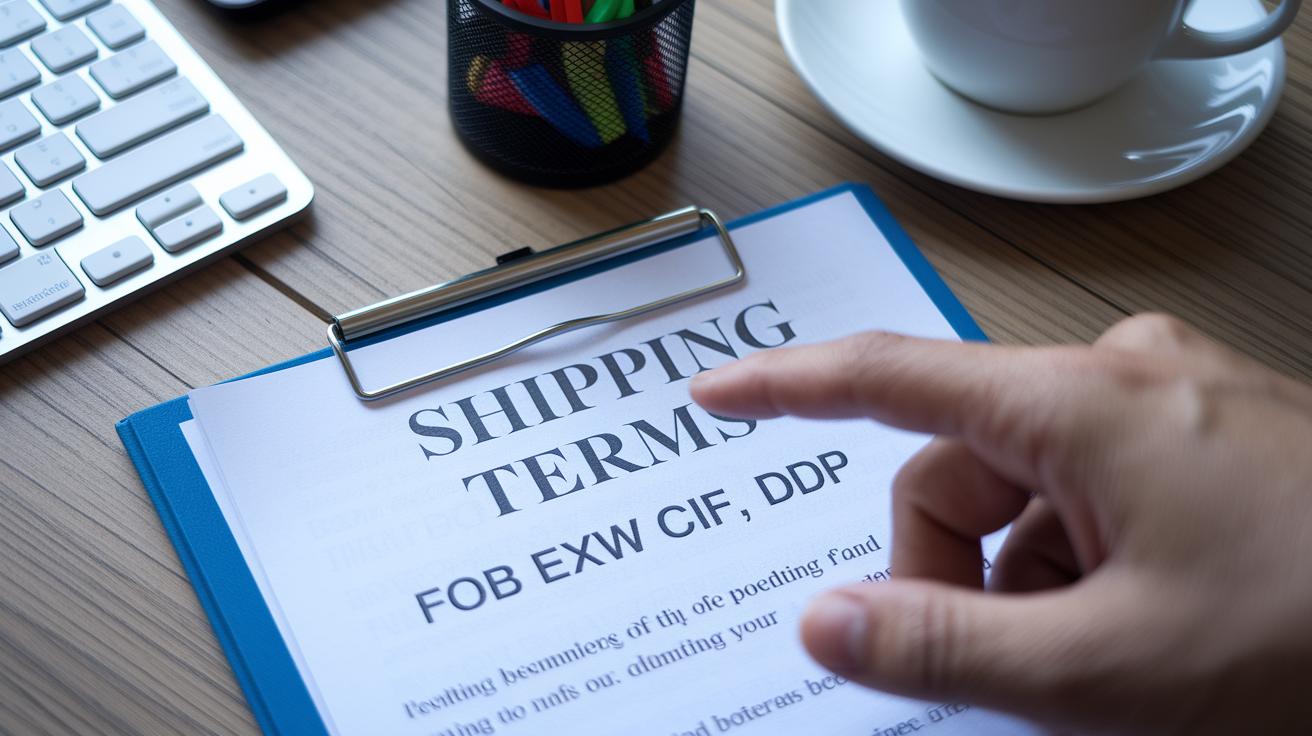
Clear, simple delivery terms set the stage for how, when, and where goods change hands. They make it easy for everyone to know who pays for shipping and who carries the risk if something goes wrong during transit. Using straightforward language helps avoid mix-ups and keeps costs transparent. For instance, terms like FOB, EXW, CIF, and DDP clearly spell out who takes care of shipping and when the risk moves from the seller to the buyer. This clarity builds trust and makes it simple to review details like who handles shipment responsibilities and how shipping costs are shared.
| Term | Seller Responsibility | Buyer Responsibility | Risk Transfer Point |
|---|---|---|---|
| FOB | Prepare goods and deliver to port | Arrange shipping and insurance beyond port | At ship’s departure |
| EXW | Make goods available at premises | Pickup, arrange transportation, cover costs | At pickup |
| CIF | Cover cost, insurance, and freight to port | Handle customs and further transport | At port arrival |
| DDP | Assume all costs including duties and delivery | Receive goods at designated location | Upon final delivery |
When setting up delivery provisions, it’s best to use standard terms that clearly outline who pays for what and who’s at risk. Checking that these clauses fit your specific deal is key. In fact, looking at real-life examples, like shipping policies from online retailers, can really help everyone understand when responsibility shifts. This approach leads to smoother transactions and builds a strong foundation of trust between buyers and sellers.
terms of sale: Legal Clarity for Confident Deals

When it comes to making deals, payment terms in sales contracts explain when payments are due and what methods are accepted, whether that’s by wire transfer, credit card, or even a required deposit. For example, a contract might say you pay a deposit up front and settle the balance when the goods arrive. This clear timeline helps both buyers and sellers be on the same page. Think of it like setting a clear appointment, when paying by credit card, funds process instantly, confirming the payment quickly.
Invoices need to include all the important details. They should break down prices, list any taxes, provide straight payment instructions, and mention penalties for late payments. Imagine seeing a breakdown that states, "Item cost, tax, shipping, and total" followed by "Payment due within 30 days." Such precision turns the invoice into a clear snapshot of the deal, leaving no room for confusion.
Good invoicing isn’t just about clarity, it also helps manage cash flow and stops billing issues before they start. With every charge laid out clearly, sellers can look forward to on-time payments and buyers have a solid record to clear up any questions later.
Applying Terms of Sale to International Transactions with Incoterms

Incoterms are essential when working across borders. They set clear ground rules about who pays for what and who takes the risk during a sale. Developed by the ICC, these terms help everyone understand their responsibilities, whether it’s shipping the goods, handling insurance, or dealing with customs. This clarity helps avoid misunderstandings that can slow down deals.
FOB vs EXW: Compare Seller and Buyer Obligations
With FOB, the seller gets the goods ready and delivers them to the shipping point. Once the items cross the ship’s side, the buyer steps in to handle any additional risks. In contrast, EXW places almost all responsibilities on the buyer. Here, the buyer arranges the pickup, takes care of shipping, and manages other logistics. Essentially, while FOB transfers risk at a specific moment, EXW expects the buyer to manage nearly the entire journey.
CIF and CIP: Explain Coverage of Insurance
CIF means the seller covers the cost, insurance, and freight right up to the destination port, ensuring the buyer feels secure during transit. CIP is quite similar, with the seller also taking on insurance, though the terms might differ a bit. Both options are ideal if you prefer a smoother process where the seller shoulders more of the shipping risks.
DDP and DAT: Outline Maximum Seller Responsibility
DDP is as seller-friendly as it gets. The seller delivers the goods straight to the buyer’s doorstep, handling every duty, tax, and risk along the way. DAT, however, ends the seller’s responsibility once the goods arrive at a designated terminal; from that point on, the buyer assumes the risk. By choosing the right Incoterm for your needs, you can make international transactions simpler and avoid potential conflicts.
Drafting Customizable Terms of Sale: Templates and Best Practices

Using ready-to-go templates takes the hassle out of building clear, flexible sales agreements. They come with pre-written sections for pricing, delivery, liability, and warranties written in plain language. This means you save time and cut legal costs while keeping things transparent from the get-go. For example, a template might simply state, "The item price is clearly listed, and additional fees are explained upfront." Simple language like that builds trust and minimizes endless back-and-forth.
Trusted sources and legal service providers offer solid template libraries, each aimed at different industries. You can often pick one that includes proposal formats, policy outlines, and standardized contract clauses that you can easily customize. It’s smart to start with a reliable source and check out user reviews or recommendations to make sure the template fits your business needs.
When you’ve got a great template in hand, tailor it to your product or service. Break your terms down into clear steps: list key items like pricing, delivery times, and risk responsibilities, then tweak those details to match your industry. For instance, if you offer perishable goods, include clear provisions about storage and speedy delivery. This approach not only makes your terms work effectively but also ensures they fit your unique operations.
Managing Compliance and Dispute Resolution under Terms of Sale

Setting clear rules on where and how legal issues are handled is key to managing contract risks. When both parties agree to a specific legal system, say, by stating “Any disputes shall be resolved under the laws of New York”, everyone knows exactly which court or framework applies. This thoughtful decision reduces confusion and keeps legal challenges on solid footing.
Defining how disputes should be resolved, including using methods like mediation or arbitration with clear deadlines, helps maintain order. For example, a clause that reads “All disputes will be mediated within 30 days of notification” ensures any issues are addressed quickly and fairly. This approach minimizes misunderstandings and keeps potential problems from escalating into major legal battles.
Keeping detailed records and following compliance checklists is equally important. Regular audits and well-maintained documentation make sure all procedures line up with export and import standards. In this way, both parties build trust, knowing there’s a reliable trail to refer back to if any disagreements arise.
Final Words
In the action, we examined how terms of sale set the groundwork for successful agreements, covering price, payment, delivery details, returns, and warranties. We broke down sales agreement fundamentals and analyzed legal sale definitions to show why clear contract sale guidelines matter.
Our discussion also highlighted drafting customizable clauses and managing compliance to avoid disputes. Clear, plain terms of sale keep both buyers and sellers on the same page. Here’s to making smart, data-driven decisions and building stronger business relationships.
FAQ
What are the terms of sale?
The terms of sale are the conditions that outline the rights, obligations, and responsibilities of both buyer and seller, typically covering price, payment methods, delivery details, return policies, and warranty information.
What is meant by terms of sale 2 10 n 30?
The phrase “2/10 n/30” in terms of sale indicates that a 2% discount is offered if the invoice is paid within 10 days, while the full amount is due after 30 days if the discount is not taken.
What is a terms of sale template or PDF?
A terms of sale template or PDF is a preformatted document outlining the contractual conditions for a sale, designed to simplify contract creation by detailing payment, delivery, and related obligations in an easy-to-use format.
What do shipping terms like Incoterm, FOB, Ex Works, and DAP mean in a sale?
The shipping terms in a sale define the division of responsibility and risk between seller and buyer. For example, FOB means risk transfers at the seller’s dock, Ex Works requires buyer-arranged pickup, and DAP places delivery responsibility on the seller.
What is a terms of sale commercial invoice?
A terms of sale commercial invoice details the pricing breakdown, tax information, payment instructions, and any additional fees. It serves to document the transaction and support clear financial accountability between the parties.
What does terms of sale FedEx refer to?
The terms of sale referring to FedEx outline shipping responsibilities, cost allocation, and delivery timelines specific to shipments handled by FedEx, ensuring that both buyer and seller understand the logistics obligations during transit.