
Ever wonder if an online store can do well financially while caring for the planet? More businesses are finding that eco-friendly choices not only protect our environment, they also boost profits. A clear sustainability policy acts like a roadmap, guiding stores to make smart changes such as using recyclable packaging and offering carbon-neutral shipping. This approach speaks to customers who care about the world around us, it builds trust and improves sales. In short, by embracing green practices, online stores can succeed in the long run and make a positive impact on our planet.
Implementing a Sustainability Policy for Ecommerce: Framework & Best Practices
A clear sustainability policy opens the door to weaving eco-friendly practices into every part of your online operations. It gives virtual stores a roadmap to boost sales, cut environmental impact, and meet the rising demand for green business. Think of it as setting up a strong foundation where each move you make helps both your profits and the planet.
| Policy Pillar | Key Actions |
|---|---|
| Packaging | Use recyclable materials, minimize excess, and choose boxes that fit just right |
| Logistics | Go for carbon-neutral shipping options and streamline delivery routes |
| Sourcing | Select suppliers with strong sustainability credentials and ethical practices |
| Energy | Upgrade to LED lighting, install smart controls, and explore renewable energy sources |
| Reporting | Keep an eye on key performance indicators and perform regular audits |
Start with a careful audit of your supply chain to find areas for improvement. Switch to recyclable packaging to reduce waste. Opt for carbon-neutral shipping with trusted providers like UPS or FedEx. Update your infrastructure with energy-saving technologies and regularly review performance metrics to keep improving.
By weaving these pillars into your sustainability policy, you not only hit important environmental goals, like the EU’s aim to cut emissions by 50% by 2030, but also cater to the fact that 74% of consumers care about a product’s environmental impact. In practice, businesses have already seen that a green approach can drive sales growth, lower future impacts, and make keeping your loyal customers far more cost-effective than chasing new ones. This framework helps ecommerce ventures sharpen their competitive edge and build a more efficient, future-proof operation.
Key Regulatory Standards for Ecommerce Sustainability Compliance

Online retailers need to follow clear, strong rules to keep up with our changing world and protect their reputation. These standards help avoid legal troubles while building trust with customers who care about the environment. By cutting energy use and being open about emissions, retailers not only improve their operations but also spark innovation in digital commerce.
Consider these key regulations:
| Regulation | Description |
|---|---|
| EU Green Deal | This initiative aims to reduce emissions by 50% by 2030, nudging businesses to adopt greener practices. |
| EPR Packaging Directive | Manufacturers must take responsibility for packaging waste, pushing for the use of recycled materials and a reduction in waste. |
| Energy Efficiency Directive | Companies are required to lower their energy use and invest in more efficient systems. |
| CSRD | Firms must provide detailed environmental reports, ensuring transparency about their sustainability efforts. |
Ignoring these guidelines can lead to hefty fines, increased costs, and a loss of customer confidence. In today’s market, where environmental responsibility is more important than ever, staying compliant isn’t just about following rules, it’s about protecting your brand and proving your commitment to a greener future.
Eco-Friendly Packaging and Waste Reduction Measures in Ecommerce Policy
Packaging is more than just a box, it's a big part of how online businesses impact the environment. Every choice, from the material to the method, plays a role in either adding to waste or paving the way toward a cleaner future. A closer look at how we package products can reveal simple tweaks that make a huge difference in cutting down waste.
- use recycled materials
- right-size boxes
- eliminate fillers
- test compostable options
- implement returnable packaging
- partner with recycling firms
Switching to these greener packaging ideas doesn’t just help the planet, it can also trim down costs. When retailers pay attention to reducing waste, they often enjoy lower production and disposal expenses. And think about this: more and more shoppers prefer brands that care about sustainability. In fact, 74% of customers say eco-friendly delivery and packaging matter a lot when they shop. This growing demand for sustainable choices can boost brand loyalty and even lead to better retention rates. Ultimately, investing in green packaging is a smart win for both your business and our environment.
Carbon Footprint Minimization Strategies in Ecommerce Operations
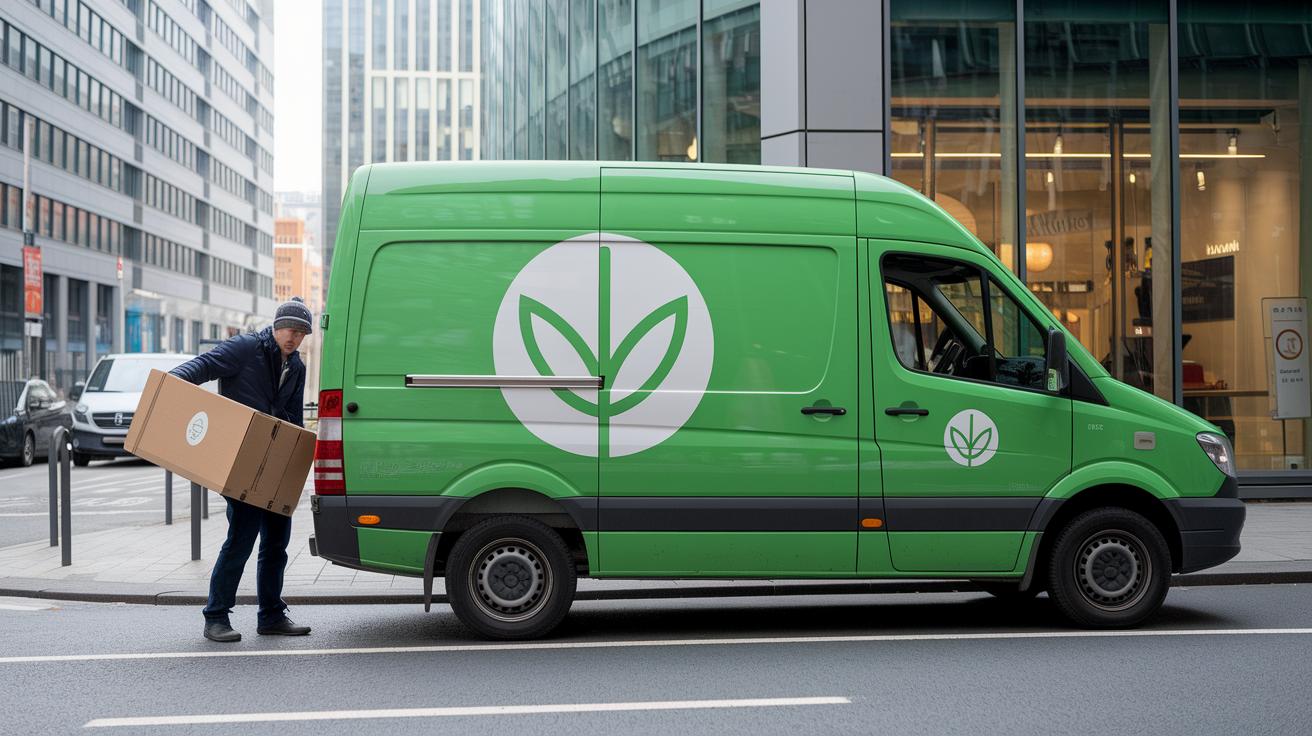
Have you noticed how many shoppers now care about their environmental impact? New research shows that almost 3 out of 10 US consumers think about the eco-friendliness of delivery methods when they shop online. Retailers are taking note and shifting their shipping and logistics practices to be greener. They're working with providers who help lower emissions across the entire supply chain.
Big names like UPS, Hermes, DHL, DPD, FedEx, and Royal Mail now offer carbon-neutral shipping options. This change gives online businesses a real chance to cut down on emissions while keeping customers happy. By weaving these services into their operations, as highlighted in the shipping policy for online retailers, businesses can streamline digital orders and deepen their commitment to sustainability.
Optimizing Last-Mile Logistics
Smart planning of delivery routes is key to cutting down on extra miles and saving energy. Tools such as Circuit and Routific work like a smart GPS, finding the most efficient paths for deliveries. This minimizes travel distances and the emissions that come with them. When you choose shipping providers that offer carbon-neutral options, you're taking another solid step toward low-impact operations.
Engaging Carbon Offset Programs
Pairing improved shipping with carbon offset programs is a well-rounded way to boost sustainability. Retailers can use offset calculators to figure out their emissions and then invest in projects that balance out their carbon footprint. Teaming up with environmental initiatives not only offsets emissions but also reinforces a brand’s green image. In fact, companies adopting these strategies often see about a 15% increase in customer loyalty as more buyers favor businesses that actively reduce their carbon footprint.
Ethical Sourcing and Responsible Supply Chain Management for Ecommerce
Today, online buyers expect products to be sourced responsibly, and that means businesses are rethinking their supply chains. Studies show that nearly three-quarters of consumers care about a product’s overall impact, and more than two-thirds are even ready to pay a bit extra for eco-friendly options. This growing demand makes it vital for companies to conduct a full supply chain audit, not just to boost efficiency but also to honor customer values.
A thorough audit usually includes a few straightforward steps. First, companies assess each supplier by checking their credentials, testing materials to ensure they come from sustainable sources, and reviewing labor practices to meet fair standards. This careful review not only cuts down on environmental and social risks but also builds trust with customers by showing a genuine commitment to responsible resource management. Plus, spotting areas for improvement often leads to better operations and smart cost savings.
Building long-term relationships with trustworthy suppliers is a smart move, too. By forming these lasting partnerships, companies can maintain a steady green supply network that supports continuous improvement and shared accountability. These alliances help keep the supply chain stable while also sparking innovation in eco-friendly practices.
Energy Efficiency and Clean Energy Integration in Ecommerce Policies

Online sales facilities like warehouses and offices use a lot of energy for lighting, heating, and running equipment. This heavy use of energy directly shapes both operating costs and a company’s environmental footprint.
Switching to LED lights, adding smart thermostats, and choosing Energy Star–certified appliances can really trim energy use. These updates help lower electricity bills and shrink the facility’s carbon footprint. Plus, they make it easier to manage and predict energy expenses.
Exploring renewable energy options can boost both financial and environmental gains. Installing solar panels on-site or partnering with green utility plans can replace traditional power sources with cleaner alternatives that might even offer a good return on investment. In doing so, businesses not only cut utility costs further, but also show a strong commitment to sustainability, something that appeals to environmentally aware consumers and stakeholders alike.
Measuring & Reporting for Continuous Improvement of Ecommerce Sustainability Policy
Metrics form the core of understanding your green practices, they help you see what works and where improvements are needed. They give you solid, data-driven insights into your environmental impact and day-to-day efficiency, letting you make smart choices that lift both your business and its sustainability.
Key Performance Indicators
Tracking key metrics like carbon per shipment, packaging waste per order, and energy consumed per sale gives you a clear snapshot of your environmental performance. Think of these numbers as the heartbeat of your sustainability journey, small tweaks in these areas can lead to big changes. For instance, if your shipments show high carbon emissions, it might be time to explore more energy-efficient logistics options. Similarly, monitoring packaging waste can reveal opportunities to streamline processes, cutting costs while lightening the environmental load.
Audit and Reporting Tools
Regular eco audits are essential. Schedule reviews using tools such as the EPA’s Greenhouse Gas Equivalencies Calculator to accurately gauge your progress. Software solutions can simplify this by automating data collection and reporting, and bringing in third-party verifications adds an extra layer of trust. These audits not only benchmark your current performance but also uncover hidden opportunities for efficiency and show how repair programs or customer incentives may be driving positive change. Reviewing these insights is key to keeping your sustainability policy up-to-date. By continuously adjusting based on the latest metrics and audit outcomes, you ensure your practices stay aligned with your environmental goals, paving the way for a resilient and responsible ecommerce business.
Final Words
In the action of tightening your sustainability policy for ecommerce, you’ve seen how setting clear pillars and meeting regulatory standards can power positive change. The discussion covered responsible digital commerce practices, eco-friendly packaging, streamlined logistics, ethical sourcing, and energy efficiencies.
Each strategy holds potential to optimize operations and cut costs. By implementing a robust sustainability policy for ecommerce, businesses can boost customer trust and drive growth. Small shifts today can bring bright returns tomorrow.
FAQ
What is an example of a sustainability policy for ecommerce?
The example sustainability policy outlines clear pillars such as packaging, logistics, sourcing, energy, and reporting. It recommends actionable steps for integrating green practices into operations while aiming to reduce environmental impact.
What is sustainability in e-commerce?
The sustainability in e-commerce concept refers to responsible practices that minimize environmental harm, improve operational efficiency, and meet consumer demands for eco-friendly products while driving long-term business benefits through green initiatives.
What are the 5 C’s of sustainability?
The five C’s of sustainability typically include culture, compliance, communication, collaboration, and continuity. These elements help companies ensure that every stage of their digital operations aligns with sustainable and ethical practices.
How do sustainable ecommerce brands implement green practices?
The sustainable ecommerce brands integrate green practices by using eco-friendly packaging, optimizing logistics to reduce emissions, sourcing ethically, and adopting energy-efficient operations, which appeals to eco-conscious consumers and improves overall market reputation.
How can I write a sustainability policy for ecommerce?
The process to write a sustainability policy involves outlining core pillars, defining key actions for each area, consulting stakeholders, and setting measurable goals. This framework supports continuous improvement and aligns operations with environmental standards.