

Have you ever noticed how some stores seem to know your taste even better than you do? Omnichannel ecommerce ties together websites, mobile apps, and brick-and-mortar shops into one smooth, custom shopping journey.
Imagine browsing on your phone and then stepping into a store where everything perfectly matches your style. In this post, we'll explore how blending all your shopping options creates a consistent, engaging experience that can really boost sales.
Understanding Omnichannel Ecommerce Fundamentals

Omnichannel ecommerce connects digital platforms, mobile apps, and brick-and-mortar shops into one smooth, unified experience. It breaks down old barriers by merging customer data into one pool, allowing every interaction to feel personal and seamless. Picture this: every time you check your phone for a quick browse or step into a store, everything is tailored just for you. Fun fact: even before you walk into your favorite store, integrated systems have already learned your style preferences.
Unlike traditional multichannel setups where online and offline channels work separately, omnichannel brings everything together. Customer data flows in one direction, making sure all your messages, branding, and service vibes stay consistent. This means whether you’re browsing a website, using a mobile app, or visiting a physical shop, you get an engaging and steady shopping experience.
And there's the proof in the numbers, omnichannel shoppers shop 70% more often and spend 34% more per transaction than those sticking to a single channel. For retailers, picking the perfect digital commerce platform (like the trusted solution from our partner) is critical for making these seamless connections. This not only keeps the brand message clear but also cuts down on operational hassles, paving the way for a smoother, more profitable customer journey.
Key Business Benefits of Omnichannel Ecommerce

When retailers bring together every sales and marketing channel, it creates a smooth and unified shopping experience. By combining different tech systems into one efficient setup, businesses can cut down on extra costs, reduce labor, and boost performance overall. It’s like having one big toolbox where every item fits perfectly together.
This smart setup lets brands send out tailored offers based on a complete picture of customer data. That means marketing isn’t a guessing game, whether it’s on sites like Amazon, Walmart, or Mercado Libre, or even on social media and search ads, customers always recognize a familiar voice from the brand.
Not only does this approach make buying as smooth as possible and encourage repeat business, but it also lifts key performance numbers. In fact, here are six core benefits that businesses get:
- Higher average order values from customized, cross-channel offers.
- Better customer retention thanks to a personal touch at every step.
- Smarter inventory management that helps avoid running out or having too much.
- Consistent messaging that builds and reinforces a strong brand identity.
- Significant cost savings by cutting redundant operations.
- Richer marketing insights from a unified source of customer data.
Each point adds up to a customer journey that feels natural and inviting. With omnichannel strategies, retailers simplify the tricky parts of modern commerce and set the stage for better returns.
Core Technology Components for Omnichannel Ecommerce
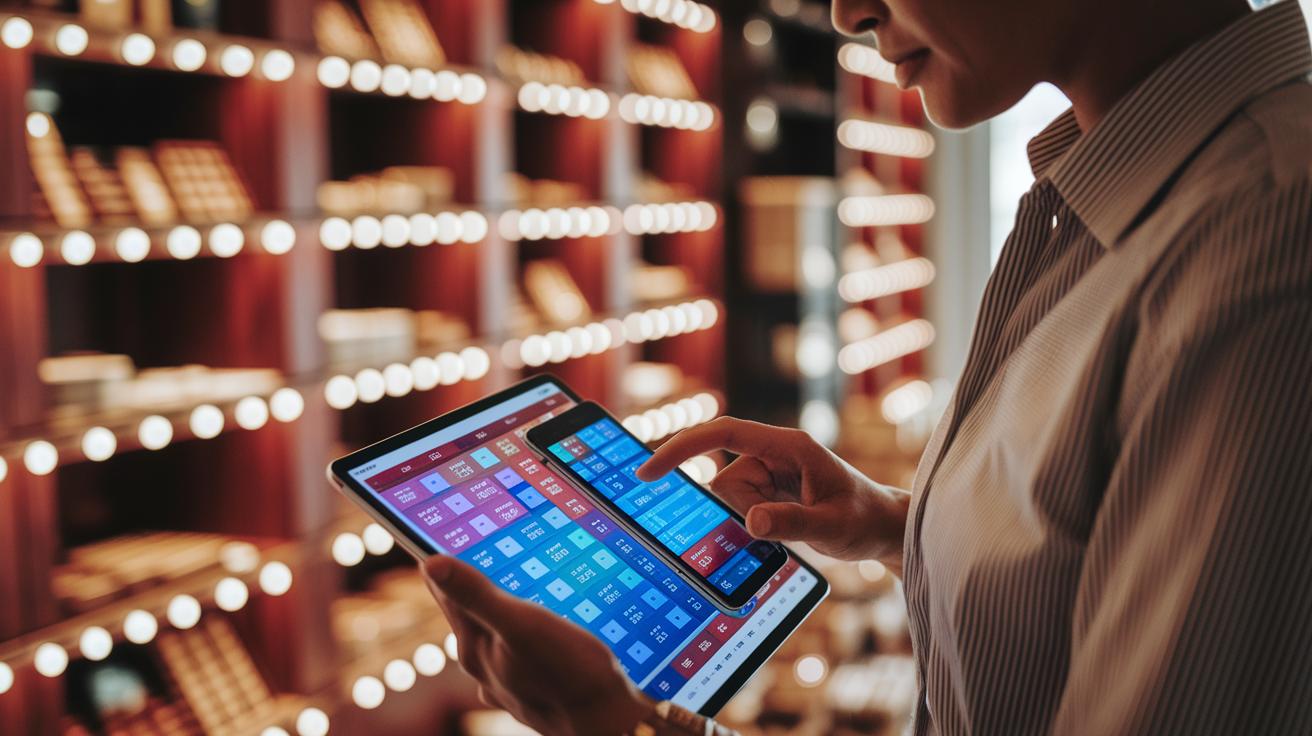
A smooth omnichannel journey starts with the right tech that ties every sales channel together. Today’s retailers lean on modern systems built to connect online stores, mobile apps, and physical outlets effortlessly. Think of these tech components like the building blocks of a house, they ensure everything from accurate stock updates to personalized customer experiences. For instance, real-time inventory management makes sure every tablet or computer shows exactly what’s available, every single time.
Below is an HTML table that breaks down four must-have components:
| Component | Purpose | Key Benefit |
|---|---|---|
| Inventory Management | Sync stock across channels | Prevent oversells |
| POS Integration | Connect in-store and online | Unified sales data |
| CRM | Centralize customer profiles | Personalized outreach |
| Unified Checkout | Single-cart experience | Reduced abandonments |
Each solution plays a key role in keeping operations running without a hitch. With smart inventory management, retailers update stock levels in real time across all channels, avoiding both shortages and surplus. POS integration builds on this by merging data from physical stores and online shops, offering a complete view of sales and enabling live monitoring.
CRM tools gather customer data into one centralized system, so teams can send targeted offers that feel tailor-made for each shopper. Then there’s the unified checkout system, which combines various payment options into one seamless process, reducing the chance of abandoned carts.
Adding cloud-based commerce platforms into the mix ramps up scalability and speeds up deployment. This means the tech grows right alongside the business, without any hiccups. Together, these components create a frictionless buying experience and form the backbone for ongoing innovation and efficient operations across every sales channel.
Building Unified Inventory and Order Management

Keeping track of your stock across websites, marketplaces, and physical stores is essential for smooth sales. When you set up a system that maps your SKUs and adopts a reliable order management platform, you're essentially uniting all your sales channels under one roof. Imagine knowing that every product update happens in real time, mistakes disappear and every sale is recorded accurately.
Data feeds powered by APIs help make this a reality by syncing inventories across platforms, so you never mistakenly sell more than you have. With smart, automated order routing and clear fulfillment rules, orders reach customers faster with less manual effort. Fun fact: One retailer used to struggle with mismatched stock levels, causing delayed shipments and frustrated customers. This goes to show how much of an impact a streamlined system can have.
Key steps include:
- Mapping SKUs across channels to build one trusted source of information.
- Choosing an order management system that connects with your ecommerce setup via APIs.
- Setting up an automated returns portal that instantly updates your stock.
- Creating inventory thresholds to trigger restocking before shortages occur.
- Using middleware or built-in modules to seamlessly link ERP, OMS, and sales channels.
Automated order routing makes sure that the closest fulfillment center handles orders in real time, speeding up delivery. Meanwhile, an integrated returns portal takes the headache out of reverse logistics by keeping your inventory instantly updated. These streamlined processes not only help you maintain tighter control over stock levels but also boost customer satisfaction, a key ingredient in long-term sales success.
Optimizing the Seamless Customer Journey in Omnichannel Ecommerce

Imagine planning a customer's journey as if you're drawing a map through a bustling marketplace. Start at the very beginning, where a visitor lands on your website or mobile app, and trace their steps all the way to an in-store experience. Think of it like following a friend through a store: first, they browse your homepage, then they click on product pages that feel personally tailored to their past interests. Simple automated messages might pop up with special discounts just when they're lingering on a product. This clear, step-by-step guide ensures every interaction feels intentional and engaging.
Next, picture all your support channels working together like a well-rehearsed team. Whether a customer uses real-time chat, sends an email, or makes a phone call, each mode of help ties together smoothly. For everyday questions, chatbots can step in with instant answers, while more unique issues get passed along to an expert. By merging these services, a customer who starts with an online question could easily get in-person follow-up without missing a beat. It’s all about making sure no one ever feels left out or unheard.
And then there’s the checkout, a critical moment that shouldn't feel like an obstacle course. A simple checkout process, complete with one-click buying options or a saved cart feature, works wonders. Imagine coming back to finish shopping without having to start all over: that’s the power of a smooth payment process. Regular tweaks, like A/B testing different checkout elements, help fine-tune messages and offers to ensure everyone moves from looking to buying with ease. It’s these small, thoughtful improvements that make the entire customer journey feel natural and satisfying.
Omnichannel Ecommerce Case Studies and Real-World Success
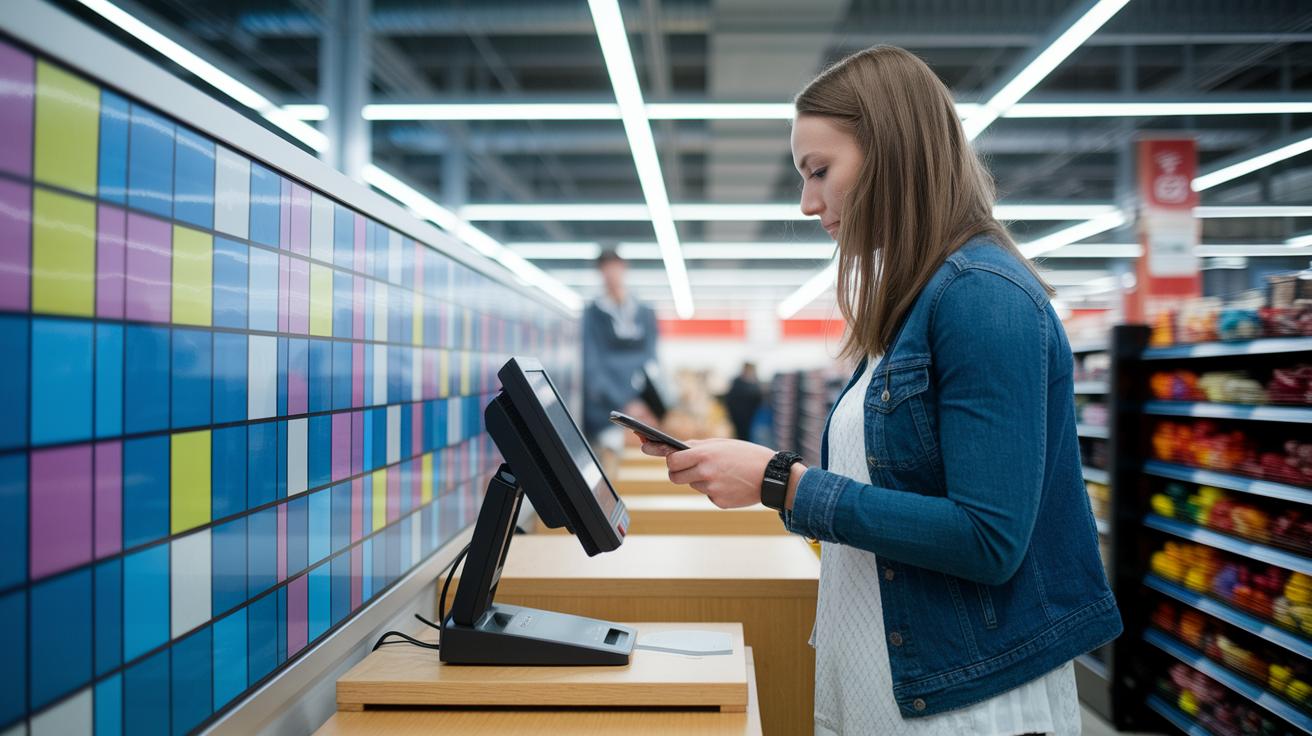
A US kitchen and bath supplier recently connected its point-of-sale system with its e-commerce platform across 12 locations. This smooth integration boosted revenue by 20% while cutting down on order mix-ups and lifting customer satisfaction. One retailer summed it up nicely, saying, "Merging our operations has made every sale count."
Over in Canada, a leading footwear brand changed its game altogether by combining loyalty information from every channel. The result? A 25% jump in repeat visits as they linked in-store experiences directly with digital interactions. It’s no wonder they brag, "Repeat customers now outnumber new ones." Pretty cool, right?
Then there’s PUMA. They moved away from one-size-fits-all batch emails to crafting messages that truly spoke to different customer groups. This shift led to a fivefold boost in email revenue. A marketing manager even shared how, "Personalization turned our emails into a conversation rather than a broadcast." Imagine that kind of connection with your audience.
Sephora took a fresh look at its Beauty Insider program by merging customer data from mobile and desktop channels. This made it possible to offer personalized product suggestions and timely offers, perfectly matching each shopper’s style. One beauty expert commented, "Customers feel seen when the recommendations fit their style perfectly." It’s this kind of attention to detail that really makes a difference.
At Walgreens, the in-store experience got a high-tech upgrade with an app that handles pharmacy check-ins and guides customers inside. This innovation trimmed pickup times by 30%, making visits smoother and more efficient. A store associate summed it up well: "It’s like having a personal guide every time you visit."
And then there’s Amazon. With over 20 years of cross-channel data, they’re serving up hyper-personalized offers that build real loyalty. Their approach stands out from traditional multichannel tactics by ensuring every digital and physical touch feels intentional. An analyst noted, "Amazon sets the standard for unified customer experiences."
omnichannel ecommerce: Seamless Sales Success
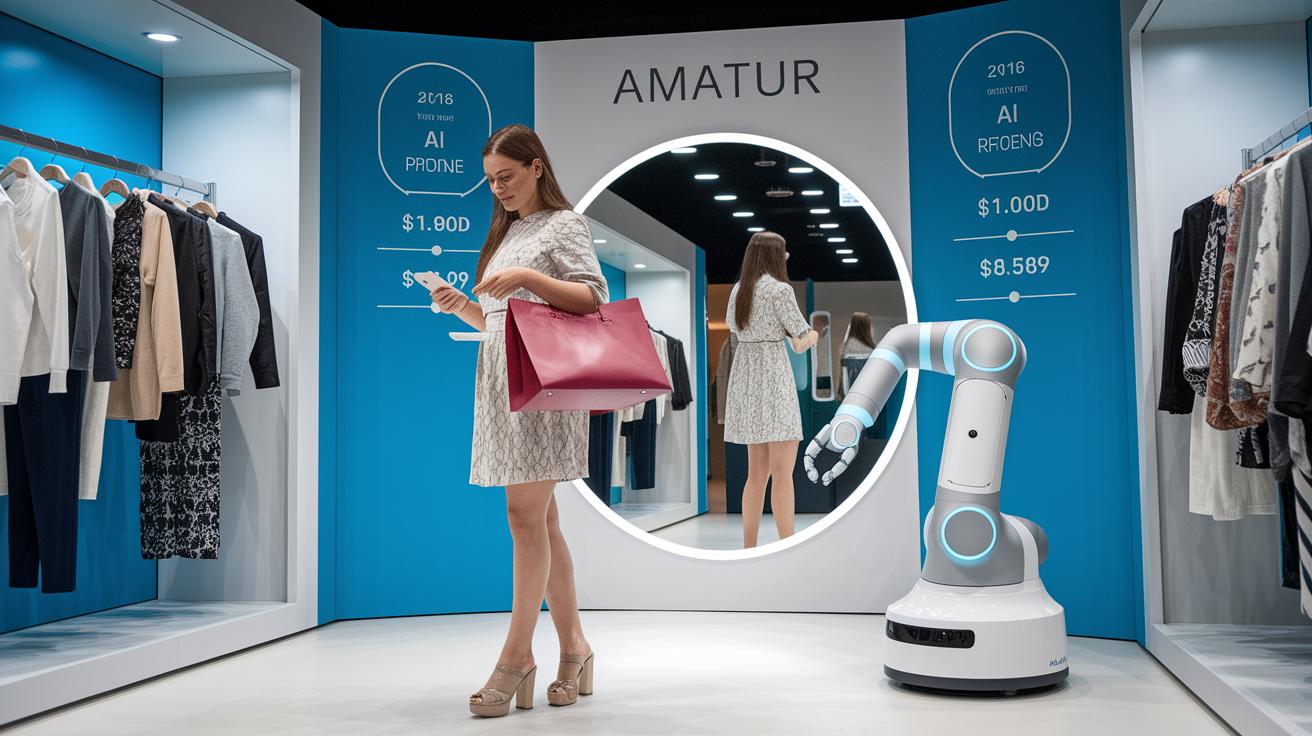
Retail technology is evolving rapidly as brands lean on AI-driven personalization and dynamic pricing to fine-tune their offers in real time. Imagine a system that tweaks prices based on customer behavior. For example, before a major sale, one retailer’s smart engine adjusted prices several times to capture every potential sale.
Augmented reality is now making virtual fitting rooms a reality, merging online browsing with a hands-on trial experience. Meanwhile, smart robotics and IoT sensors keep track of orders the moment they leave the warehouse. Digital wallets and contactless payments are smoothing out transactions, offering a fast, secure checkout that almost feels effortless.
Platforms like SAP Emarsys highlight how integrated AI tools and partner networks can deepen customer engagement. As more retailers adopt these technologies, we can expect a future where data flows seamlessly and shopping journeys, both online and in-store, are personalized and efficient. Embracing these trends not only minimizes friction but also creates a shopping experience that’s natural, effective, and focused on the customer.
Final Words
In the action, we explored how omnichannel ecommerce brings together digital platforms and physical stores into one smooth experience. We walked through unifying retail channels, integrating tech components like POS and CRM, and streamlining inventory and order management. Real-world case studies showed tangible improvements in sales and customer loyalty. With emerging trends driving smarter personalization and enhanced performance metrics, the future in this area looks promising. Keep pushing for innovation and smart decisions as you optimize your ecommerce strategies.
FAQ
What is ecommerce omnichannel?
The ecommerce omnichannel approach integrates online and offline sales into one synchronized experience, ensuring customers receive consistent service whether shopping through a digital store or a physical location.
What are the 4 pillars of omnichannel?
The four pillars of omnichannel include integrated technology, unified customer data, consistent brand messaging, and coordinated cross-channel fulfillment that together create a seamless shopping experience.
Can you give an example of omnichannel ecommerce?
The omnichannel ecommerce example involves a retailer syncing their online store with brick-and-mortar shops, enabling shoppers to enjoy features like consistent catalog displays, unified loyalty programs, and integrated shopping carts.
How does omnichannel ecommerce differ from traditional ecommerce and multichannel models?
The omnichannel model unifies all sales channels and customer data into one system, unlike traditional ecommerce or multichannel methods that often function independently without cross-channel consistency.
What is an omnichannel ecommerce platform and software?
The omnichannel ecommerce platform refers to digital systems that connect multiple sales channels, using integrated software tools for inventory management, customer relationship tracking, and seamless payment processing.
What does an omnichannel ecommerce strategy entail regarding sales?
The omnichannel ecommerce strategy brings together diverse sales channels into one cohesive plan, enhancing customer engagement and boosting sales through personalized interactions and streamlined purchasing processes.
Is Shopify an omnichannel solution?
Shopify supports omnichannel capabilities by allowing retailers to manage online storefronts, in-person sales, and third-party marketplaces in a single platform, creating a unified selling environment.


