

Are you tired of shipping policies that seem to confuse rather than help? A clear and simple shipping plan can turn that frustration into trust. When you lay out processing times, costs, and your reliable delivery partners in plain language, you give customers exactly what they need, a smooth, worry-free experience.
This guide will walk you through crafting an easy-to-understand shipping policy that not only keeps your order management on track but also reassures your customers every time they make a purchase.
Essential Steps to Design Your Shipping Policy
A shipping policy sets the ground rules for how your products will reach your customers. It spells out everything from processing times and shipping methods to costs and whether an order is sent domestically or internationally. Think of it as your promise of reliable delivery, much like the policies that have helped over 12,000 direct-to-consumer brands build trust and boost conversions, especially when nearly two-thirds of shoppers value free shipping offers.
Pick your delivery partners carefully. Choose couriers you trust to deliver on time and handle packages safely. Next, break your destination markets into clear segments, organize your shipping zones into domestic and international sections so you can tailor your approach for each.
Set clear processing times. Let your customers know exactly how long it takes to get their orders ready. Then, outline all the available shipping methods by creating cost rules for each option, whether it’s standard delivery or an expedited service.
Finally, draft your policy using straightforward, simple language. Clear words mean fewer questions and more trust from your customers.
Remember to review your policy regularly. As your business grows and changes, even small tweaks to processing times or shipping costs can enhance the customer experience. Always double-check for any errors before your policy goes live, ensuring it remains a reliable resource for both your team and your customers.
Key Components of a Shipping Policy for Online Stores
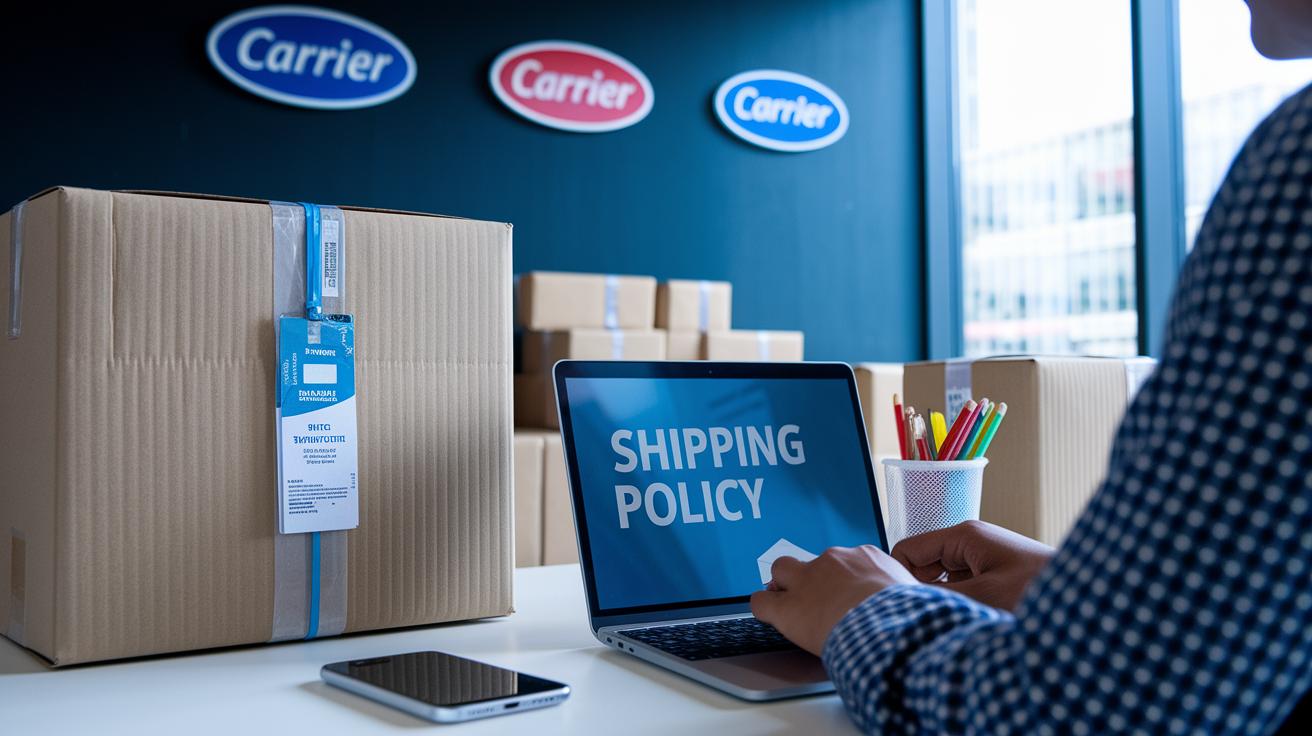
Creating a strong shipping policy is key to earning customer trust and keeping orders running smoothly. Every detail in your policy helps streamline how orders are sent out. When you clearly explain how orders are handled and packaged, customers feel confident that their purchases are in good hands. Listing carrier options and transit times, say, 5 to 7 business days for standard shipping or 2 days for expedited, sets clear expectations and cuts down on follow-up questions.
Don’t forget to cover country-specific rules if you ship internationally. By outlining how duties, taxes, and customs are handled, you keep everyone informed and in the loop. A complete shipping policy not only explains each step but also lays out rules on shipping costs and the criteria for free shipping. Regular reviews ensure that your policy stays current with changes in your processes and regional delivery challenges. In short, a detailed shipping policy reassures customers about their order and makes returns or exchanges much smoother.
| Component | Description |
|---|---|
| Shipping options | Standard, expedited, local pickup |
| Processing time | Defined order-to-ship timeline |
| Shipping rates | Rules based on flat rate, weight, or delivery zone |
| International terms | Guidelines for duties, taxes, and customs |
| Free-shipping offers | Eligibility criteria and spending thresholds |
| Returns & exchanges | Reference to processes in your returns policy |
Structuring Shipping Costs and Delivery Options
Shipping costs and delivery options really shape how customers feel at checkout. When fees are listed clearly, it not only makes comparing choices easier but also builds trust by setting honest expectations. For example, clear labels like "2-day expedited" or "5-7 business days standard" help ease worries and boost confidence in making a purchase. Plus, transparent pricing often highlights free-shipping offers – something that 62% of shoppers appreciate.
We usually break down shipping fees in a few key ways:
- Flat-rate by order: One simple fee for every order keeps things predictable and works best for stores with steady order sizes.
- Weight-and-distance: Charging based on a package’s weight and the distance it travels means fees reflect the actual effort behind shipping.
- Volume-based tiered: Different rates for different order sizes can motivate customers to spend more since larger orders might qualify for lower fees.
- Free-ship threshold: Setting a minimum purchase to unlock free shipping encourages shoppers to add extra items to their cart, boosting overall sales.
Regularly checking your shipping rates against real sales data is a smart move. When you see how various pricing models affect conversion rates and customer satisfaction, you can adjust your strategy accordingly. This means updating delivery estimates and fee structures based on real-world info, ensuring your pricing remains competitive and your checkout process stays smooth and transparent.
Communicating and Integrating Your Shipping Policy

When your shipping policy is easy to find, customers feel more comfortable and trust that nothing will go wrong after checkout. Putting this policy front and center on your website gives shoppers a clear picture of delivery details, processing times, and tracking options. When buyers see these facts upfront, they feel more confident about wrapping up their purchase.
It helps to display your shipping policy in a few different spots on your site. This way, no matter where someone's browsing, they can quickly get the info they need. This simple approach not only clears up any confusion but also helps avoid any disagreements later on.
- Announcement bar
- Footer link
- Product page section
- FAQ page (store policies for customers)
Adding carrier API integration and real-time tracking updates takes this experience up a notch. When tracking details appear at checkout and in follow-up emails, customers enjoy timely updates all the way through delivery. Automated alerts make it easy for shoppers to check the status of their order, so they always know what’s happening. This mix of clear communication and live updates creates a transparent and reassuring environment that boosts overall satisfaction with your shipping process.
Legal Compliance and Returns in Online Shipping Policies
A strong shipping policy does more than just set clear delivery expectations, it also acts as a safety net in case disputes arise. Even though you’re not legally forced to have one, it’s smart for retailers to keep their policies up-to-date, making sure every detail is compliant. This means taking a good look at your terms often, covering everything from shipping costs and processing times to how international deliveries work. When you send products overseas, be sure to spell out who handles customs and duties so there are no surprises later. Clear, honest policies can really help prevent misunderstandings and protect your brand from international shipping headaches.
On top of that, a solid shipping policy should also explain how returns are handled. Outlining the return-exchange process helps customers know exactly how to send back items and what costs might be involved if any. This extra bit of detail builds trust and reduces the chance of disputes about refunds or exchanges. To keep your shipping policy both friendly and tough on legal stuff, consider adding these key points:
| Key Element | Description |
|---|---|
| Professional Legal Review | Ensure the policy meets all relevant legal requirements. |
| Customs & Duties Statements | Clearly explain how customs fees and duties are handled for international orders. |
| Return-Exchange Procedures | Detail the steps customers can take to return or exchange products, including any associated costs. |
By covering these bases, your shipping policy will not only feel consumer-friendly but will also stand up to legal scrutiny. Clear, straightforward language helps manage customer expectations and gives you a solid framework for dealing with any issues that might pop up along the way.
Final Words
In the action, we’ve walked through the key steps of crafting a clear shipping policy, from outlining core elements to fine-tuning cost structures and legal points. We broke down the process of setting terms, displaying them effectively, and ensuring compliance with return policies. Each segment builds a framework that can help transform your policy from good to great. Take these insights on board to boost clarity and customer trust, and embrace the guide on how to design a shipping policy for online stores with confidence.
FAQ
How can I design a shipping policy for my online store?
The shipping policy for your online store outlines key details such as processing time, delivery methods, shipping costs, and international options. It sets clear customer expectations and supports smoother transactions.
What is an example of a shipping policy?
The shipping policy example explains steps like order processing, shipping options (standard, expedited), fee structures, and return practices. This clarity helps customers know what to expect from their delivery.
How do I create a shipping policy?
The shipping policy creation involves choosing delivery partners, defining shipping zones, setting processing times, and establishing cost rules. This structured approach makes online ordering transparent and reliable.
Does Shopify have a shipping policy template?
The Shopify shipping policy template provides ready-to-use guidelines that cover shipping options, processing details, and fee calculations. It simplifies the creation of a clear and consistent shipping policy.
Are there free shipping policy templates or generators available?
The free shipping policy templates and generators offer copy-and-paste formats or online tools that create detailed policies. This accessible option helps merchants quickly set up their shipping guidelines.
How do I handle shipping for an online store?
The shipping process for an online store relies on clear communication of shipping methods, processing times, and cost breakdowns. A well-articulated shipping policy reduces confusion and builds customer trust.