

Have you ever wondered if a few clever moves could really boost your online sales? Picture using everyday market hints as the building blocks for a solid strategy. This guide lays out a simple plan, you begin with straightforward market research, add in creative marketing ideas, and then polish the checkout process. Each step is designed to help you stand apart from billions of other shoppers. In short, when you follow our easy, step-by-step approach, you’ll start connecting with your audience and seeing those sales climb.
Framework for a High-Impact Ecommerce Strategy Blueprint

Let’s kick things off by mapping out a clear, step-by-step framework. Begin with solid market research. Figure out who your target shoppers are, trace their buying journeys, and keep an eye on what competitors are up to. Think of it like being a detective at a busy marketplace, gather clues to line up your strategy with your business goals, especially when you're competing for over 2 billion online shoppers.
Next, it’s time to shape your marketing moves. Mix content, social media buzz, and direct email campaigns to tell your brand’s story. Imagine setting up the perfect stage for real-time chats with customers. After that, zero in on conversion optimization. Try out different page layouts and calls to action. For example, experiment with various checkout designs until you nail one that cuts down on lost sales.
Choosing the right platform plays a big role too. Whether you're on Shopify or BigCommerce, your platform will shape your checkout flow and available add-ons. It’s like picking an advisor whose expertise fits your unique business model.
Then, set up a sharp analytics process to track what’s working and guide your spending decisions. Use easy-to-read dashboards that let you see all your key numbers at a glance.
- Customer Engagement: Aim for personalized experiences with live chat and text support.
- Continuous Improvement: Regularly refresh your strategy based on fresh data insights.
| Phase | Description |
|---|---|
| Market Research | Get to know your audience and scope out the competition |
| Marketing Tactics | Craft dynamic, multi-channel campaigns that resonate |
| Conversion Optimization | Experiment with and fine-tune every step of the sales journey |
Market Research and Competitive Analysis in Ecommerce Strategy
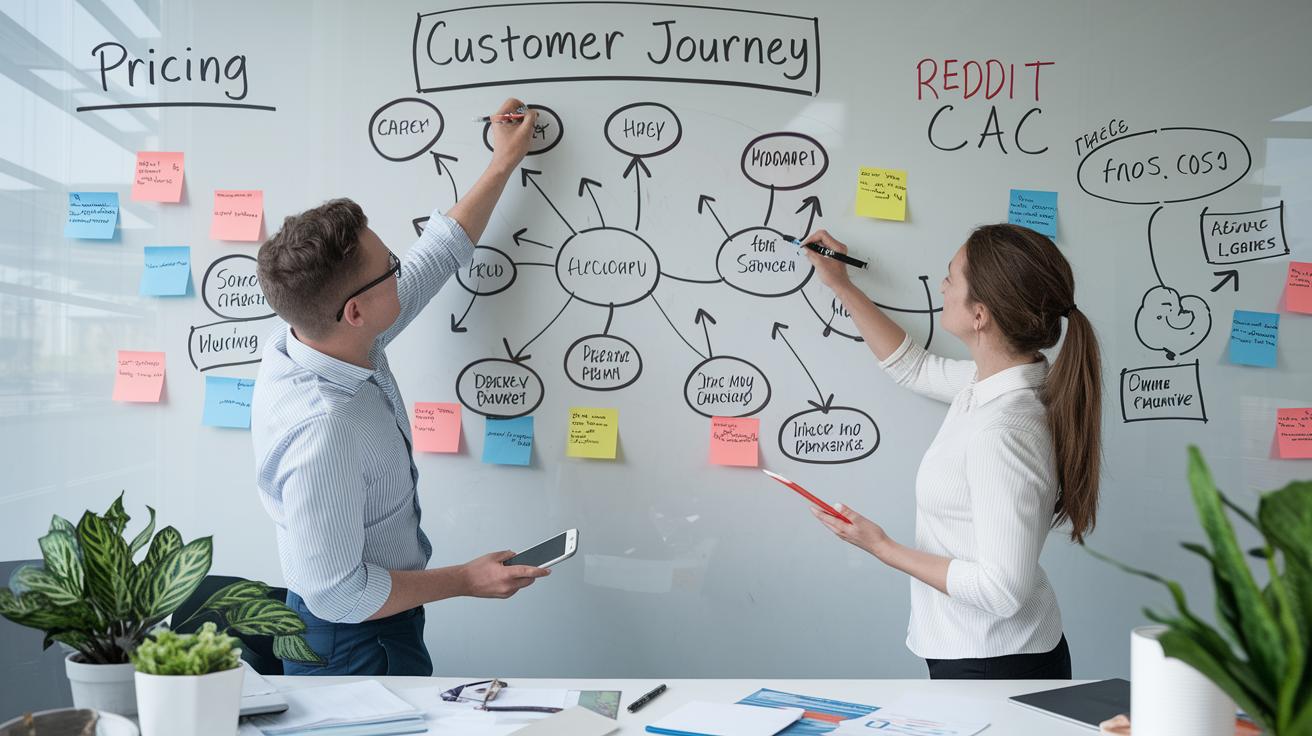
Begin by getting a clear picture of your market. Figure out who your customers are and map out every stage of their shopping journey. With customer acquisition costs now at an average of $29, up 222% over the last decade, it’s more important than ever to understand exactly whom you’re targeting. Look at what your competitors are doing with their pricing, promotions, and product offerings to find new opportunities for improving your own model.
Then, dive into your market research using trusted tools and methods. For a detailed walkthrough, take a look at the guide on OmegaMarkets by visiting the link provided. Keep your finger on the pulse of consumer behavior; market trends shift fast, and regular monitoring helps you adjust strategies on the fly to stay ahead.
Always refine your business model based on the insights you gather. By comparing your strengths and weaknesses with those of your competitors, you can fine-tune your pricing and promotional strategies. In the end, combining a deep understanding of your target audience with a flexible, data-driven approach helps create an environment where innovative retail practices can truly flourish.
Conversion Rate Improvement Techniques Within Your Ecommerce Strategy

Boosting the number of completed purchases starts with addressing abandoned carts, which can be over 70%. One practical step is to experiment with A/B testing on your page layouts. Try out two different checkout designs to see which one keeps shoppers from dropping off. For instance, you might switch your call-to-action button from blue to green and watch if more customers follow through.
Another smart move is to increase the average order value with targeted upselling and cross-selling. You can show complementary products during checkout or offer a limited-time bundle deal. Imagine a customer adding a smartphone to their cart, presenting a discounted case that pairs perfectly with it can encourage extra spending while keeping the process smooth.
Take a close look at every stage of your sales funnel to spot where customers might hesitate. Mapping out the buyer’s journey helps you pinpoint specific drop-off points. Then, use A/B testing to adjust call-to-action placements and fine-tune product pages. These insights allow you to smooth out bottlenecks and quickly transform interest into complete sales.
Integrated Online Marketing Approach for Ecommerce Strategy

Bringing together paid, owned, and earned channels is key to growing your reach and boosting engagement. Start by developing clear content and a plan for social campaigns that make your brand stand out. For example, a catchy slogan like "Shop smart, live better" can instantly grab attention.
Email promotions are another vital piece of the puzzle. By building well-segmented email lists and setting up smooth abandoned-cart reminders, you can encourage customers to return. Try starting an email with a subject like "Flash Sale: Exclusive offers just for you", it’s a great way to spark curiosity and prompt quick action.
Social media continues to be a powerhouse. Nearly half of shoppers look up products there, and retailers with active profiles often see a boost in sales. Spend time crafting creative campaigns that fit your overall marketing vision. You might even run a contest on Instagram to invite user-generated content and widen your audience.
Don’t forget mobile marketing. With more than half of web sales coming from smartphones, it’s crucial that your site and ads are mobile-friendly. Think of it like this: a smooth, responsive design and short, engaging ads can make all the difference when customers are on the go.
Lastly, blend these efforts with strong SEO and smart PPC strategies. Regularly check your remarketing ROI to see what’s working and where you might adjust. And remember, a successful omnichannel approach often includes influencer partnerships and cross-promotional moves to keep your brand message consistent across every digital touchpoint.
Experiment with tests unique to each channel, track your performance, and use those insights to fine-tune your overall marketing strategy. This way, you’ll be well on your way to thriving online sales.
Technology Infrastructure and Platform Selection for Ecommerce Strategy

Picking the right platform can mean the difference between success and struggle for your online store. Consider options like Shopify and BigCommerce, each offering unique plug-ins, checkout styles, and user experience nuances. It’s important to match what they offer with your business needs. Did you know nearly 80% of shoppers leave a brand after just two bad experiences? That’s why investing in smooth checkout processes and responsive design isn’t an extra, it’s vital.
A secure payment gateway paired with real-time inventory updates can really boost your sales. When your system keeps stock levels current, it stops overselling and leaves shoppers feeling confident. Picture a customer adding an item to their cart and seeing an instant confirmation that it's available. That small moment of assurance can make all the difference.
Website speed is another key element. A fast-loading site attracts more clicks; in fact, top search results get clicked up to 10 times more often than those further down the page. Simple steps like upgrading server resources, compressing images, and refining your site’s scripts can help reduce delays and enhance the overall experience.
You’ll also want your payment gateways to use advanced encryption for protecting customer data and transactions. Regular A/B testing on your checkout process can help spot and iron out any friction points. Even a slight tweak in layout or a call-to-action could significantly lift conversion rates.
| Key Component | Benefit |
|---|---|
| Secure Payment Gateways | Enhanced customer trust and reduced cart abandonment |
| Real-Time Inventory Sync | Accurate stock levels and efficient order fulfillment |
| Website Speed Enhancements | Improved user experience and higher search ranking |
And don’t forget, integrating tools like ai inventory management can further automate forecasting and inventory control, ensuring a smooth shopping journey every step of the way.
Data-Driven Decision Making and Analytics in Ecommerce Strategy

Integrated analytics dashboards are your secret weapon in understanding how your online store performs. They pull together everything from site traffic to ad spend and conversion tests, so you don't have to sift through endless data. For example, Shopify Analytics lets you see traffic trends, customer habits, and orders all in one place, making it easier to base decisions on real numbers. When a PPC campaign returns $8 for every $1 spent, it’s clear that smart, data-based moves can really boost your bottom line.
Looking closely at detailed metrics can reveal where the customer experience might be falling short and where there’s room to grow. You might test different page layouts or checkout methods and then refine your strategies based on what your dashboard tells you. This way, you keep your finger on the pulse of your store and can adjust on the fly.
Consider these essential reporting areas:
- Site performance metrics: Check loading speeds and how many visitors leave quickly.
- Conversion tests: See whether changes in call-to-action placements make a difference.
- Ad spend efficiency: Track how well your paid campaigns are doing.
| Metric | Impact |
|---|---|
| Traffic | Shows audience reach and interest |
| Conversion Rate | Reveals how well visits turn into sales |
| Ad Spend ROI | Helps with smart budget decisions |
Using these insights lets you make regular tweaks to improve overall profitability.
Customer Engagement and Retention in Ecommerce Strategy

Building strong bonds with your customers isn't just smart, it’s essential for boosting long-term value. Loyal shoppers can spend around 67% more than new ones, which is why putting energy into proven retention strategies pays off. By rolling out subscription models and loyalty programs, brands can encourage repeated purchases while crafting a shopping experience that feels uniquely personal. Imagine getting a friendly text after a purchase that suggests items perfectly suited to your taste. That kind of thoughtful touch tells you, “You matter.”
Personalized recommendations and genuine, user-generated content are key to growing trust and social proof. When you come across honest reviews and authentic product stories from fellow shoppers, it’s easy to feel confident about sticking with a brand. And when you need help, quick support through text or live chat makes all the difference, solving issues fast and with care.
Here are a few simple tactics to strengthen your retention game:
- Offer tailored deals and subscription perks that reward repeat business.
- Utilize live chat support to address issues right away.
- Set up review management systems to showcase real customer feedback.
These strategies do more than create a personalized shopping journey, they turn satisfied customers into true brand advocates. In today’s fast-paced online market, having reliable, responsive service channels is crucial for reducing churn and driving long-term success.
Scaling and Future Trends for Ecommerce Strategy

Online marketplaces never sit still, and neither should your strategy. Take TikTok for example, its short-form videos recently drove $10 billion in consumer spending, showing that quick, engaging content can truly boost your digital footprint. Early adopters experienced rapid engagement spikes that transformed their sales overnight.
Technology is marching forward, and AI-driven personalization is a prime example. This smart tech helps businesses deliver real-time messages that align with shopper behavior, making the buying journey smoother for billions of digital consumers worldwide. Imagine receiving a message perfectly tailored to your recent search, it builds trust and encourages more conversions.
Expanding your reach beyond borders adds another exciting layer to your growth strategy. Creating region-specific storefronts that speak to local tastes isn’t just smart, it’s like drawing a clear map to tap into fresh markets.
Remember, the digital marketplace is always evolving. Regularly reviewing and updating your practices, while testing new channels, ensures that your online sales don’t just survive but truly thrive in today’s fast-changing environment.
Final Words
In the action, we broke down a step-by-step framework that covers market research, conversion techniques, online marketing, platform selection, data insights, and customer retention. Each phase forms a solid part of a winning ecommerce strategy, guiding you through everything from setting up the tech to scaling for future trends. The blog underscored how actionable, data-driven moves can lead to measurable improvements in your strategy. It’s exciting to see these clear tactics come together to create a powerful approach to your ecommerce strategy.
FAQ
What are some examples of ecommerce strategy resources like templates, PDFs, and PPTs?
The ecommerce strategy resources include downloadable templates, PDFs, and PowerPoint frameworks that offer step-by-step guidance—from market research to conversion improvement—to help businesses align their digital efforts with overall goals.
What is the strategy of e-commerce?
The strategy of e-commerce is a clear blueprint that ties market research, online marketing, technology selection, and data analytics together to drive sales, boost customer engagement, and refine business operations.
What are the 5 C’s of ecommerce?
The 5 C’s of ecommerce refer to Company, Customers, Competitors, Collaborators, and Context, which provide a structured approach to assessing market position while identifying strengths and opportunities for growth.
What are the 4 C’s of e-commerce?
The 4 C’s of e-commerce focus on Consumer, Cost, Convenience, and Communication to emphasize a customer-first approach that ensures products are accessible, priced right, and well-promoted.
What are the 5 P’s of e-commerce?
The 5 P’s of e-commerce include Product, Price, Place, Promotion, and People, forming a comprehensive framework that covers the essential elements for planning, launching, and maintaining an effective online business.