

Ever wondered where your online order goes after you click “buy”? Picture a busy warehouse where each product is carefully stored, then neatly picked and packed, almost like watching a smooth, well-oiled machine in action.
Once packed, your item is whisked off quickly while inventory is kept in check, ensuring trust and reliability every step of the way. Think of it as a series of clear, organized steps coming together to deliver a service that truly works.
In the end, complex logistics blend into a simple, effective process designed to make every delivery a success.
How ecommerce fulfillment works: A complete process overview
When you place an order online, ecommerce fulfillment makes sure your package makes its way from the warehouse to your door. It all starts with goods arriving at a warehouse, where smart strategies and streamlined systems work together to store, pick, pack, and ship products quickly and carefully. This method not only speeds up delivery but also helps build a solid brand reputation with each order.
Today’s modern fulfillment relies on trusty tools to keep inventory in check and orders on track. Every step matters. Whether it's a well-organized warehouse or detailed instructions guiding the picking and packing process, each stage plays a key role. Shipping tools help choose the best carrier for cost and speed, while robust returns systems make sending items back a breeze. All these pieces connect to create a smoother experience for customers.
Below are the key steps in the process:
- First, inventory is received and stored using an efficient warehouse setup and a dedicated management system.
- Next, orders are processed through a streamlined system designed to boost speed.
- Then, products are picked and packed following clear, precise instructions to ensure accuracy.
- Shipping and delivery decisions are made based on customer needs, cost, and speed, with smart integration tools assisting these choices.
- Finally, returns are managed with reverse logistics practices that focus on a prompt, hassle-free resolution.
All these steps work together to build strong customer loyalty. Imagine a system that cuts delivery times in half, turning a 60-minute wait into just 30 minutes. Optimized processes mean fewer mistakes, while integrated inventory strategies ensure products are always in stock. In the end, every detail matters, each perfect execution at every stage builds trust, encourages repeat business, and strengthens a brand’s position in a competitive market.
The five pivotal stages of ecommerce fulfillment
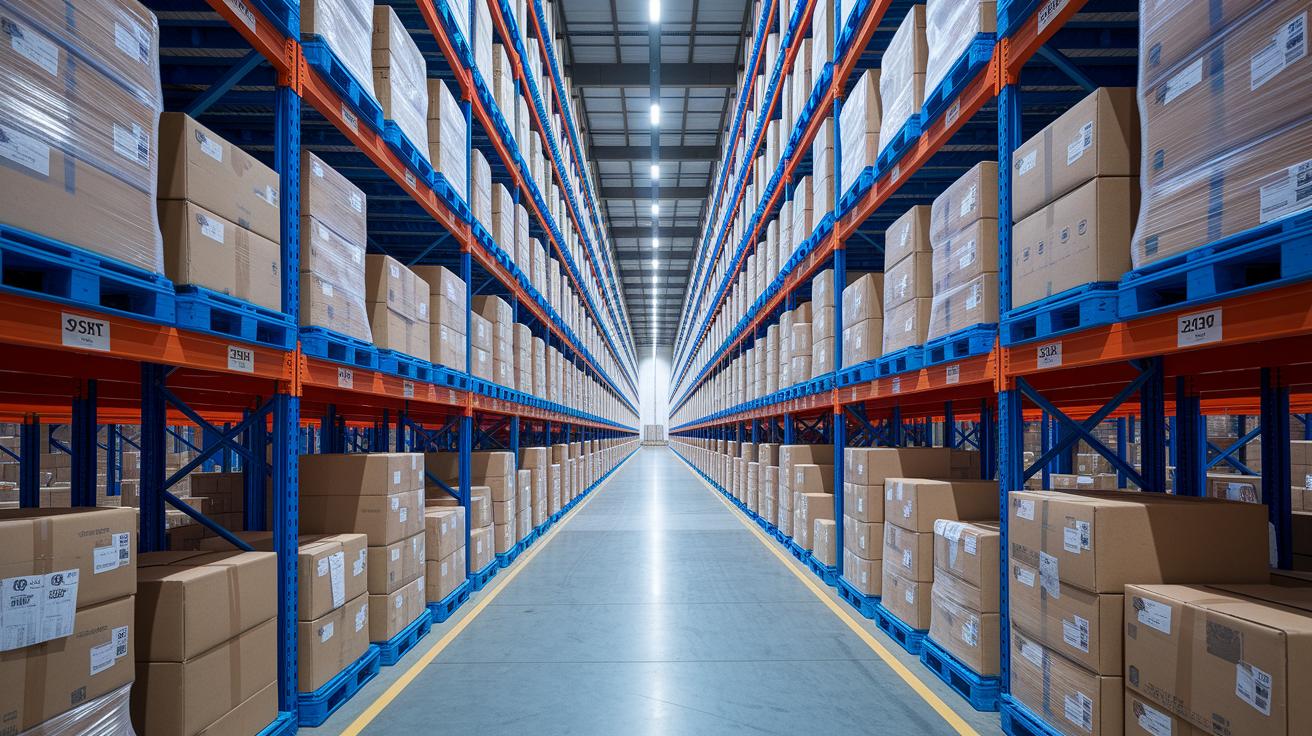
Ecommerce fulfillment is all about moving products smoothly from the warehouse shelf to the customer’s door. It combines everyday practices with smart, advanced details that make the process efficient. Integrated systems offer key performance insights to help fine-tune every step of the journey.
Receiving and Storing Inventory
Imagine a receiving area that works like clockwork. With real-time tracking and RFID scanning, accuracy is built into every check. For example, automated alerts paired with stock checks can hit accuracy rates as high as 99.8%, reducing storage costs and minimizing mistakes.
Order Processing
Order processing has never been smoother. Modern software brings orders from various channels together in one central system, processing each in under 15 minutes and keeping errors to less than 1%. It’s a balance of speed and precision that really keeps everything on track.
Picking and Packing
Think of picking and packing as the heart of the operation. Digital pick-lists and real-time dashboards help teams work efficiently, with some warehouses seeing up to a 10% boost in order accuracy. It’s all about finding that sweet spot between speed and quality.
Shipping and Delivery
Shipping now feels almost instantaneous. Using carrier rate tools, route optimization, and live tracking, companies can reduce shipping times by around 20% through same-day delivery options. This ensures that cost efficiency meets high customer expectations.
Returns and Reverse Logistics
And when it comes to returns, efficiency matters just as much. Automated tracking systems and clear, customer-friendly policies make reverse logistics a breeze. By keeping a close eye on return times and resolutions, businesses can smoothly handle returns and keep customer trust intact.
Comparing ecommerce fulfillment models: In-house vs 3PL vs dropshipping
Picking the right fulfillment method is a big deal for your business, it affects your expenses, smooth running, and how happy your customers are. With in-house fulfillment, you control every step by using your own warehouse, team, and technology. You get a full view of your process, but it costs more to run.
Dropshipping, on the other hand, pushes a lot of the work to your supplier. This means you don’t have to worry as much about storage or handling, though you might see thinner profit margins. Then there’s third-party logistics (3PL). When you work with a 3PL provider, they handle everything from start to finish. This can help you scale quickly and streamline your operations, but you give up a bit of direct control and pay network fees.
| Model | How It Works | Pros | Cons |
|---|---|---|---|
| In-house | You use your own space, staff, and tech to manage the entire process. | You keep full control; it’s very customizable. | It can be expensive and harder to scale. |
| Dropshipping | Your supplier handles shipping orders directly for you. | Lower costs for storage and handling. | Profit margins are generally slimmer and quality can vary. |
| 3PL | An outside partner manages fulfillment from start to finish. | Great for scaling and comes with expert logistics management. | You lose a bit of control and must pay extra fees. |
Choosing the right model really comes down to finding the right balance between control and efficiency. If you value keeping a close eye on every detail, an in-house setup might be your go-to. But if streamlining operations and supporting fast order growth is more important, then dropshipping or 3PL could be a better fit. Ultimately, your decision should reflect your business size, your growth targets, and how many resources you can invest.
Technology and automation in ecommerce fulfillment
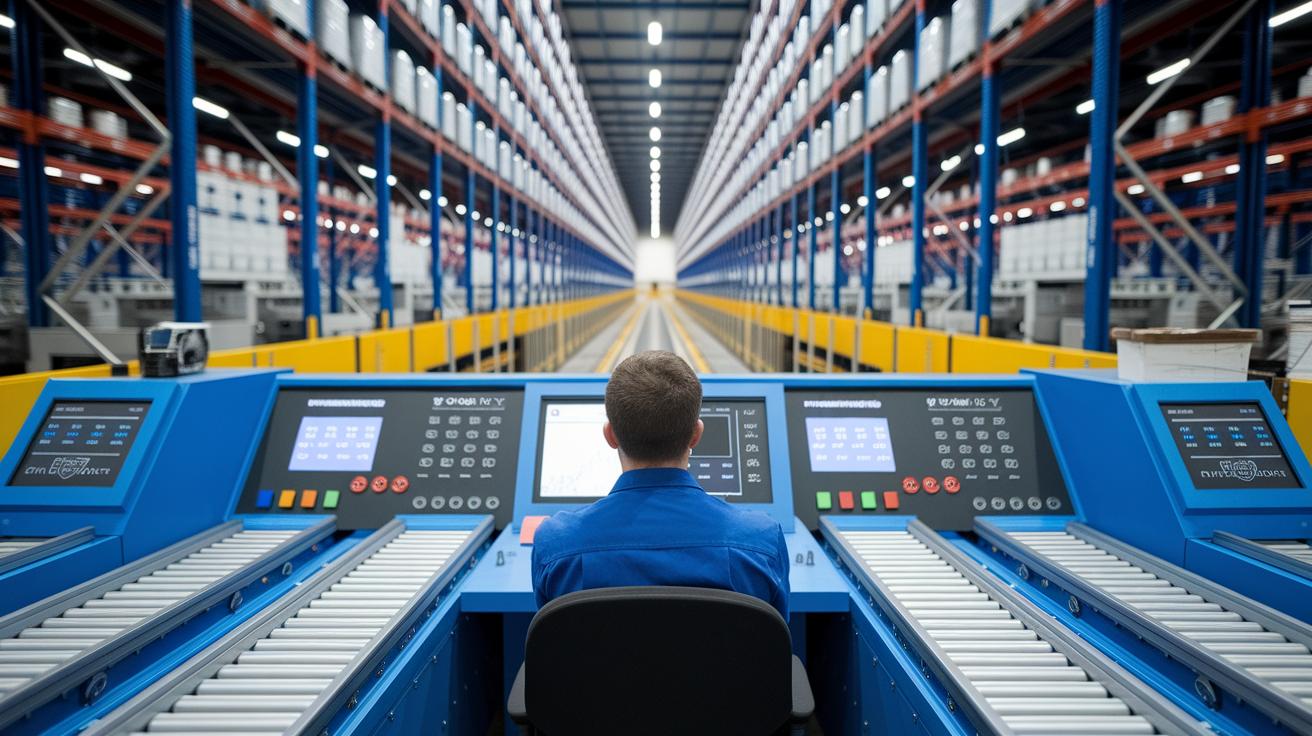
Today’s fulfillment systems lean on powerful software that ties together warehouse management, order automation, and digital logistics. This combination gives teams a clear, real-time look at productivity, think of dashboards that track labor and packer performance while work order modules keep tasks running smoothly. It’s like having a smart assistant that cuts down errors and speeds up order processing, so teams can quickly handle busy times and any hiccup that comes their way.
Hardware automation adds another layer of efficiency by streamlining physical tasks. Picture warehouse robots, robotic sorters, and advanced conveyor systems all working side by side to move products swiftly from receiving to packing. Automated label printing reduces mistakes, and built-in sensors keep an eye on equipment performance. These tech enhancements lessen reliance on manual work, cut down on errors, and really boost overall speed. It’s a smart move for any business facing growing order volumes.
The real strength comes when these digital systems connect seamlessly. By linking warehouse management, order automation, and digital logistics, companies say goodbye to data silos and manual reconciliation. AI-driven picking systems, like AI inventory management, refine stock control and improve picking accuracy. This synchronized flow of information means every stage, from order entry to shipping, is in sync, leading to quicker responses and smoother operations.
Plus, the return on investment is clear. Integrated systems that merge warehouse management with order automation dramatically reduce processing times and errors. This not only cuts labor costs but also optimizes resources and slashes shipping delays. In a nutshell, tech-driven fulfillment upgrades bring real financial benefits, paving the way for growth and long-term competitiveness.
Cost considerations and KPI tracking for ecommerce fulfillment
Ecommerce fulfillment costs start with big-ticket items like storage fees and slotting optimization. Companies often invest in managing labor for picking, packing, and handling to keep things running smoothly. Shipping expenses such as carrier rates and fuel surcharges also weigh heavily because their fluctuations can impact both profit margins and pricing strategies. For example, some operations adjust labor assignments based on the time of day or season to better match order surges, ensuring their cost analysis stays on point.
Fluctuating order volumes are a huge factor in managing expenses. One month, you might see orders jump from 1,000 to 3,000. As volumes increase, careful warehouse planning becomes essential to control rising costs and avoid fulfillment bottlenecks. Smart strategies, like dynamic staffing and flexible warehouse setups, help ease the pressure during peak periods and keep the operation running efficiently.
The next step is choosing the right KPIs for cost efficiency. Key performance metrics include cost per order, on-time delivery rate, order accuracy, and return rate. By keeping an eye on these numbers, companies can quickly spot areas that need improvement and adjust their processes accordingly. Detailed benchmarking shows where to invest resources and when adjustments can really make a difference in managing costs and boosting customer satisfaction.
ecommerce fulfillment: Seamless Warehousing and Shipping

Smart planning is the foundation of robust ecommerce fulfillment. When businesses dive into data-driven insights, they can spot where warehouse operations and shipping methods might trim costs. They keep an eye on past performance while watching future trends, ensuring the supply chain stays sharp. And by planning for busy seasons, they can dodge delays and keep service levels high.
Partner management plays a big part too. By building strong relationships with several carriers, companies tap into a mix of shipping options and smart rate shopping. This approach spreads out risks instead of leaning on just one provider, while also keeping shipping costs in check. Clear communication channels and set performance benchmarks help companies stay nimble as market demands shift.
Advanced distribution techniques wrap up the picture for growth and efficiency. Strategies like cross-docking and order consolidation cut down handling times, making processes a lot smoother. And by placing inventory at multiple sites closer to key customer areas, businesses reduce lead times and control costs even further. Every decision, from choosing the right partner to mapping distribution routes, works together to create a truly seamless fulfillment experience.
Overcoming challenges in ecommerce fulfillment
Many online stores struggle with shipping delays because their warehouses are spread too thin and their delivery routes aren’t the best. One effective fix is to add more warehouse locations and fine-tune the routes for deliveries. Using real-time systems that track warehouse and order data can help keep track of stock better, preventing common issues like overselling or running out of items. One retailer, for instance, managed to cut delivery times by half by rearranging their warehouse to push popular items closer to where orders come in.
High return rates can quickly shake a customer’s trust, especially when delays or damaged products get in the way. Focusing on improved packaging and thorough quality checks plays a big role in reducing returns caused by fulfillment mistakes. It also helps to have return policies that are easy for customers to follow. When companies make returns simple and hassle-free, it not only saves resources but also strengthens the bond with customers.
Often, fragmented software systems trap important data in separate silos, causing unnecessary headaches. By bringing everything together with unified dashboards and API-driven integrations, companies can see the whole fulfillment picture at a glance. One business that consolidated its data into one integrated solution saw fewer errors during order processing and could track logistics trends more clearly. Breaking down these data silos lets managers quickly spot and fix problems, keeping everything running smoothly.
Final Words
In the action, our article breaks down the key steps of ecommerce fulfillment, from receiving and processing inventory to picking, packing, shipping, and handling returns. It also compares different fulfillment models, explores tech automation, and discusses cost and KPI tracking for smarter decisions.
This discussion offers clear insights that empower strategic moves and boost customer satisfaction. Every element discussed supports robust ecommerce fulfillment and a brighter future for businesses.
FAQ
What is eCommerce fulfillment?
The term eCommerce fulfillment refers to the complete process of receiving, storing, processing, and delivering orders to customers, including managing returns for a smooth and reliable customer experience.
What are the four types of fulfillment in eCommerce?
The four common fulfillment types include in-house, dropshipping, third-party logistics (3PL), and hybrid models. Each model varies in control, cost structure, and scalability for different business needs.
How does an eCommerce fulfillment center operate?
An eCommerce fulfillment center operates by managing inventory storage, order processing, accurate picking and packing, shipping products promptly, and handling returns, ensuring orders reach customers reliably.
What do eCommerce fulfillment services include?
eCommerce fulfillment services include end-to-end management from inventory handling and order processing to packaging, shipping, and managing returns, helping businesses focus on growth while experts handle logistics.
What types of jobs are available in eCommerce fulfillment?
Jobs in eCommerce fulfillment range from warehouse associates and pickers to order processors and fulfillment managers. Each role is essential for maintaining efficient operations and meeting customer expectations.
What is an eCommerce fulfillment job description?
An eCommerce fulfillment job description typically involves managing inventory, processing orders using management systems, accurately picking and packing items, and coordinating shipping to ensure timely delivery.
How can small businesses find the best fulfillment services?
Small businesses can find the best fulfillment services by seeking providers that offer scalable solutions, competitive shipping rates, and comprehensive support to optimize order processing and boost customer satisfaction.
Where can I find an eCommerce fulfillment center near me?
You can locate an eCommerce fulfillment center nearby by searching for local providers who offer proximity-based services to reduce shipping times and costs while enhancing overall operational efficiency.