

Ever thought about whether your online checkout is as secure and simple as it could be? Think of an ecommerce payment policy as more than just a guide to paying, it clearly lays out the rules for refunds, cancellations, and safe transactions. It sets expectations for both you and the seller, cutting through confusion and building trust along the way. In this post, we’re diving into how a smart payment policy works, sharing easy tips that help protect your money and boost your confidence each time you shop online.
ecommerce payment policy: Secure, Clear Terms
A payment policy tells you exactly how an online store accepts and handles payments. It explains the ways customers can pay, sets out clear guidelines for refunds and cancellations, and describes secure checkout steps along with legal responsibilities for both buyer and seller. This clear approach cuts down on confusion and builds trust, whether the transaction happens on the spot or as part of a longer business relationship.
A big part of the policy is spelling out which payment methods are accepted and how refunds or cancellations are managed. For example, a good policy will list options like credit cards, digital wallets, bank transfers, and even buy-now-pay-later plans. It explains any fees, when payments settle, and any rules that need to be followed. Clear refund guidelines, often giving customers a refund window of 14 to 30 days and outlining conditions for returned items, help prevent disputes and chargebacks. This level of detail shows customers that the business is fair and consistent.
The policy also sets out secure checkout requirements and embraces legal standards. Secure checkout means using encrypted transaction systems and fraud detection to protect your payment details every step of the way. At the same time, the policy clarifies the legal obligations for both parties, like adhering to invoicing laws and other buyer-seller rules, which lays a solid foundation for resolving disputes. Altogether, these measures create a payment policy that reduces risk, boosts transparency, and builds lasting customer confidence.
Defining Acceptable Payment Methods for Online Transactions

Offering several payment choices can really boost your conversion rates. When customers spot a payment method that matches their buying style, they feel more at ease completing their purchase. It’s kind of like that smooth, quick checkout that turns a moment of doubt into a confident buy.
Take a look at some common options:
-
Credit/Debit Cards
These are a go-to option for most shoppers. They’re widely accepted, come with low processing fees, and settle quickly. Of course, they need to meet strict industry rules. -
Digital Wallets
Think PayPal or Apple Pay. These offer efficient, streamlined transactions, although sometimes they come with specific platform fees. It’s important to keep up with digital wallet guidelines for safety. -
Bank Transfers
This method is pretty cost-effective, with only a few fees involved. However, the settlement time can range from same-day to a few days, making it a better fit for larger purchases. -
Buy-Now-Pay-Later
This option gives buyers some extra flexibility. It might involve a few extra risk checks and fees, but the payment schedule typically follows the provider’s terms. -
COD
Cash on delivery means customers pay right when they receive their goods. While it’s super convenient, it can also involve extra handling fees. -
Cash in Advance
Here, customers pay the full amount upfront. This cuts down on risk, but it might also discourage some buyers who prefer a bit more flexibility. -
Gift Cards
These offer a pre-loaded balance and don’t usually come with extra fees. Payments are confirmed right away, though they do come with their own set of guidelines.
Balancing these options means choosing payment methods that not only smooth out the checkout process but also keep things secure and manageable behind the scenes.
Crafting Clear Ecommerce Refund and Cancellation Policies

Clear, straightforward policies help cut down on chargebacks by setting smart expectations for both buyers and sellers. They also pave the way to solve any disputes smoothly and quickly.
Typically, customers have about 14 to 30 days to return products that are unused and still in their original packaging. If an item has been opened or customized, companies usually offer a partial refund while charging a restocking fee to cover extra handling. Think of it like this: if someone returns a partially used device, a clear set of rules determines whether they get a full credit or a smaller refund.
For orders that customers cancel before shipment, refunds are generally processed within 5 to 7 business days. Sometimes, if an order has already moved past the initial confirmation stage, a restocking fee comes into play. And for high-value orders, many businesses hold the funds in escrow until they confirm the product’s quality and the integrity of its shipment.
Implementing Secure Checkout Standards and Fraud Detection
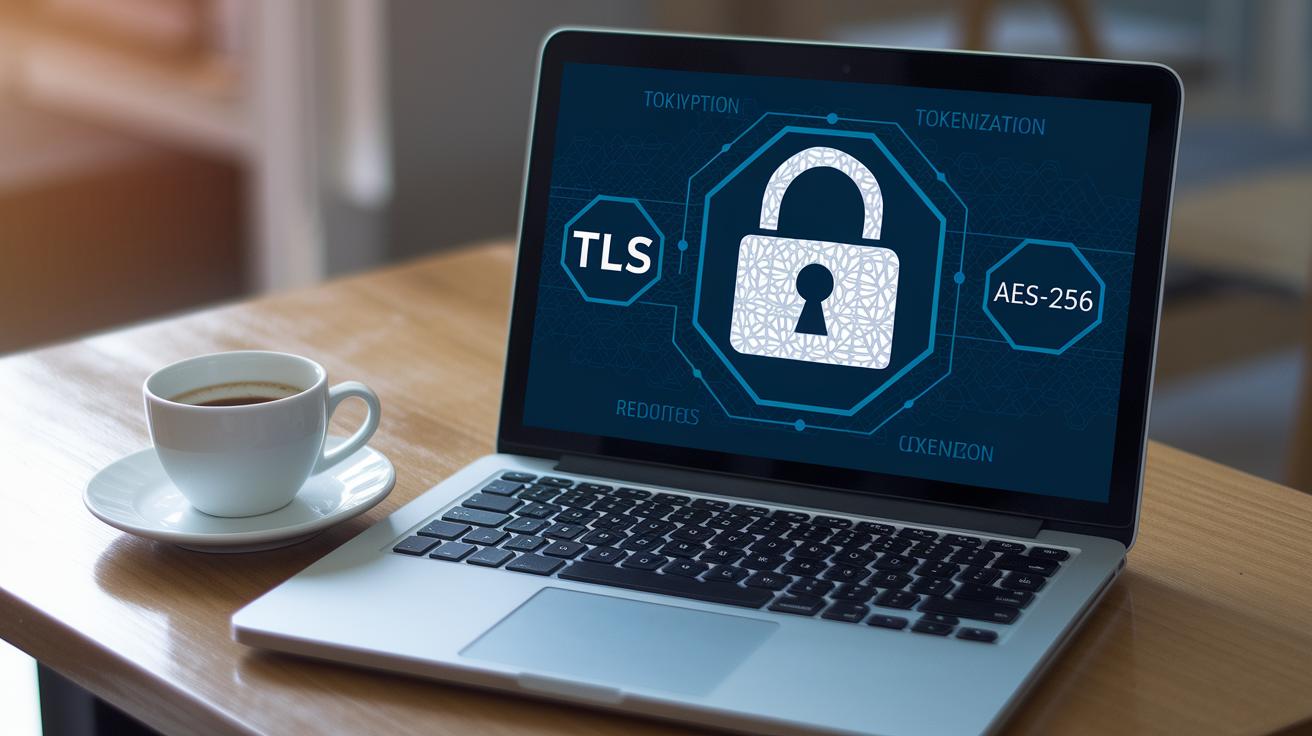
PCI-DSS compliance is at the heart of keeping payment processes safe. It sets strict rules that protect cardholder data using a mix of encryption, tokenization, and firewalls. This structure not only helps prevent data breaches but also builds customer trust by meeting globally recognized security standards.
Encryption and tokenization work together to shield sensitive information during and after transactions. For instance, TLS 1.2+ encryption keeps data safe as it moves across networks, while robust methods like AES-256 secure information stored on servers. Tokenization, on the other hand, swaps out a real credit card number for a random code that is useless if intercepted. Imagine your actual number being replaced with a secret code that only makes sense with the right decryption key. This approach greatly reduces the risk of exposure if a breach occurs, making the payment system a lot safer.
Real-time fraud monitoring is another key player in this system. Powered by machine-learning tools, it keeps a constant eye on transactions for any unusual activity. These tools look at data patterns from various points and quickly block any transactions that seem risky. They work almost instantly, catching suspicious events before they can snowball into bigger issues. This proactive monitoring not only protects businesses but also reassures customers that their payment information is handled with the utmost care.
| Technical Standard | Description |
|---|---|
| Data Encryption | Secures card data with TLS 1.2+ in transit and AES-256 at rest |
| Tokenization | Replaces PAN with non-reversible tokens in storage |
| Fraud Monitoring | Real-time transaction scoring and automated blocks |
Ensuring Compliance and Dispute Resolution in Payment Policies

Late payments and chargebacks can be a real drain on resources. Imagine this: over half of invoices (57%) arrive late and nearly a third take longer than 90 days to pay. This not only hurts your bottom line through lost sales but also means extra administrative hassles when disputes arise. Having clear rules for handling disputes helps everyone know their role and keeps costs in check.
Chargeback Management
A solid chargeback management plan is a must. Start by gathering all transaction records and proof-of-delivery documents that can back up your case. This way, when a dispute pops up, you have the right evidence to explain things smoothly to your customers. It’s important to stick to the deadlines set by Visa and Mastercard and respond quickly, too. Staying on top of these steps can significantly cut down losses and strengthen your reputation with payment networks.
Legal and Regulatory Obligations
Meeting local invoicing rules and other regulatory standards is just as critical. Your payment policies should clearly include any mandatory fee disclosures and refund notice periods required by law. Doing an annual review can catch any outdated terms and keep your policies compliant. Regular updates not only keep everything in line with current regulations but also build trust with customers, letting them know every transaction is secure and properly managed.
Integrating Payment Gateways and Automating Policy Enforcement

When you integrate payment gateways, everything falls into place. With one simple setup, you can link credit cards, digital wallets, and QR codes using a single API. This streamlined approach cuts confusion and standardizes fee schedules and settlements. Imagine an online store where every payment runs through one unified system, it’s as effortless as clicking a button.
The technical side isn’t too daunting either. Start by generating and assigning API keys, which create a secure bridge between your site and the payment gateway. Then, set up webhook events that alert your platform in real time each time a sale happens. Picture getting a live notification as soon as a transaction processes, a system like this minimizes mistakes and builds trust.
Automation plays a big role when it comes to enforcing payment policies. With the right tools, your platform can automatically send invoices, deliver overdue reminders, and generate receipts that explain service charges in clear terms. Imagine a system that flags any unusual transactions for a closer look. In short, this integration not only lightens your administrative load but also keeps your online settlement process steady and secure.
Monitoring, Reviewing, and Updating Ecommerce Payment Policies

It’s important to regularly check your payment policies to keep up with market trends, legal updates, and new tech developments. When you review these policies on a routine schedule, you can quickly spot any issues before they grow and keep everyone’s trust intact.
The key is to watch the right numbers. Look at metrics like days sales outstanding, chargeback rate, and refund volume to get a clear picture of performance. These figures help you decide if your payment terms need loosening or tightening. In short, they make it easier to predict cash flows and understand customer habits over time.
When it’s time to make formal changes, follow a clear process. Start by drafting your updates based on what you learned from audits. Next, have your legal team review it to ensure everything meets current regulations. Finally, communicate the new terms clearly to customers and other stakeholders. This step-by-step method keeps things transparent and builds confidence in your payment processes.
Ecommerce Payment Policy Examples and Templates

Ecommerce payment policies give businesses a clear, friendly blueprint for setting up their terms. They help balance straightforward rules with the flexibility that today’s customers expect.
Take a wholesale supplier using Net 30 terms as an example. In this setup, invoices are sent every month, and a 2% discount is offered if payment is made within 10 days. This approach makes cash flow predictable and encourages quick payments. An invoice might state, "Net 30 terms with a 2% discount if paid within 10 days," so everyone knows exactly what to expect.
Now consider a freelancer’s retainer model. In this case, the project is divided into two phases: 50% is billed upfront, and the remaining 50% is due on completion. There’s also room for flexibility, either party can cancel up to 48 hours before the project starts. A clause might read, "Payment is structured at 50% upfront and 50% upon completion, with cancellation allowed up to 48 hours before project start," offering both clarity and security.
If you’re creating your own policy, a fill-in-the-blank template can be really helpful. You might include sections like Payment Terms, Refund/Cancellation, Security Standards, Dispute Process, and Fee Disclosures. For example, a detail on discount codes could say, "Discount code must be entered before 11:59 PM EST on the expiration date; not applicable to recurring payments, subscription upgrades, or previous purchases." Using a clear, sectioned format like this builds consistency and boosts customer trust with every transaction.
Final Words
In the action, the blog post broke down key aspects of establishing an effective ecommerce payment policy. We explored clear payment methods, concise refund and cancellation guidelines, secure checkout procedures, and compliance standards. Each section offered insights into mitigating transaction risks and streamlining digital payments. Regular audits and automation ensure policies remain current and efficient. Overall, the piece reveals actionable strategies that empower businesses to build trust and reduce disputes. The discussions leave us well-equipped to enhance our ecommerce payment policy and promote smooth, secure transactions.
FAQ
What is an ecommerce payment policy template?
The ecommerce payment policy template serves as a guide defining payment procedures, acceptable methods, refund guidelines, and legal obligations to create clarity and trust for both buyers and sellers.
What does an ecommerce payment policy sample include?
The ecommerce payment policy sample typically includes clear terms on payment methods, refund and cancellation rules, secure checkout requirements, and compliance guidelines to support smooth transactions.
How can ecommerce payment policy examples guide strategy?
Ecommerce payment policy examples offer ready-to-use guidelines outlining accepted payment methods, refund processes, security standards, and legal compliance to streamline operations and build customer confidence.
What defines the best ecommerce payment policy?
The best ecommerce payment policy clearly defines payment options, cancellation rules, security measures, and legal obligations, reducing risks and fostering transparency for a seamless shopping experience.
What do free terms and conditions for an ecommerce website cover?
Free terms and conditions for an ecommerce website cover essential rules regarding payment methods, refund policies, and legal compliance, providing a foundation for transparent communication with customers.
How is the best ecommerce payment processing achieved?
The best ecommerce payment processing combines secure checkout practices, robust fraud detection methods, and versatile payment options to ensure fast, safe, and efficient transactions for all parties.
What do ecommerce payments examples illustrate?
Ecommerce payments examples illustrate various methods such as credit cards, digital wallets, bank transfers, and more, each detailing fee structures, processing times, and specific compliance requirements.
How do terms and conditions for online store examples benefit merchants?
Terms and conditions for online store examples help merchants structure clear payment, refund, and security policies, reducing disputes and building trust with customers through straightforward guidelines.