

Ever wondered why shopping can sometimes feel pure magic? It’s all about how stores link every channel, from your favorite online shop to a cozy local store, to make your shopping journey smooth and connected.
Imagine a path where every step is just right. Studies show that buyers often interact with about 11 different points before making that final purchase. Kind of like gathering little hints that eventually lead you to the perfect decision.
In this chat, we’ll dig into three simple ways that a unified approach in omnichannel commerce can really boost a business. It’s all about building loyalty, encouraging those repeat visits, and creating a shopping experience that truly delights every customer.
Understanding Omnichannel Commerce Fundamentals
Omnichannel commerce is a smart, integrated way to create a smooth experience for customers no matter where they shop, be it online, in a physical store, on a mobile app, or through social media. Instead of leaving shoppers to piece together their journey from one isolated channel to another, this approach makes every step feel connected and hassle-free.
Today’s buyers often interact with roughly 11 different touchpoints before making a purchase. That’s why keeping things consistent matters so much. Studies reveal that 62% of consumers expect personalized experiences, and brands using this unified strategy often see a 23% bump in repeat visits within six months. In plain terms, when data flows seamlessly and design is thoughtfully planned, every interaction turns into a richer, more complete shopping experience.
Another advantage is the flexibility provided by a headless commerce setup. This back-end approach lets brands adapt quickly to new trends and channels without getting bogged down by old systems. Sometimes, even a small tweak in how customer information is integrated can lead to huge improvements in loyalty and overall satisfaction. For a deeper dive into these connections, check out this resource on omnichannel ecommerce: omnichannel ecommerce.
In short, by leaning into clear, real-time data and keeping branding consistent across all channels, retailers can not only meet consumer expectations but also drive repeat business and lasting value. Each well-connected touchpoint makes the shopping journey personal and effective, an approach that’s setting the pace for the future of retail.
Building an Integrated Retail Ecosystem with Omnichannel Commerce
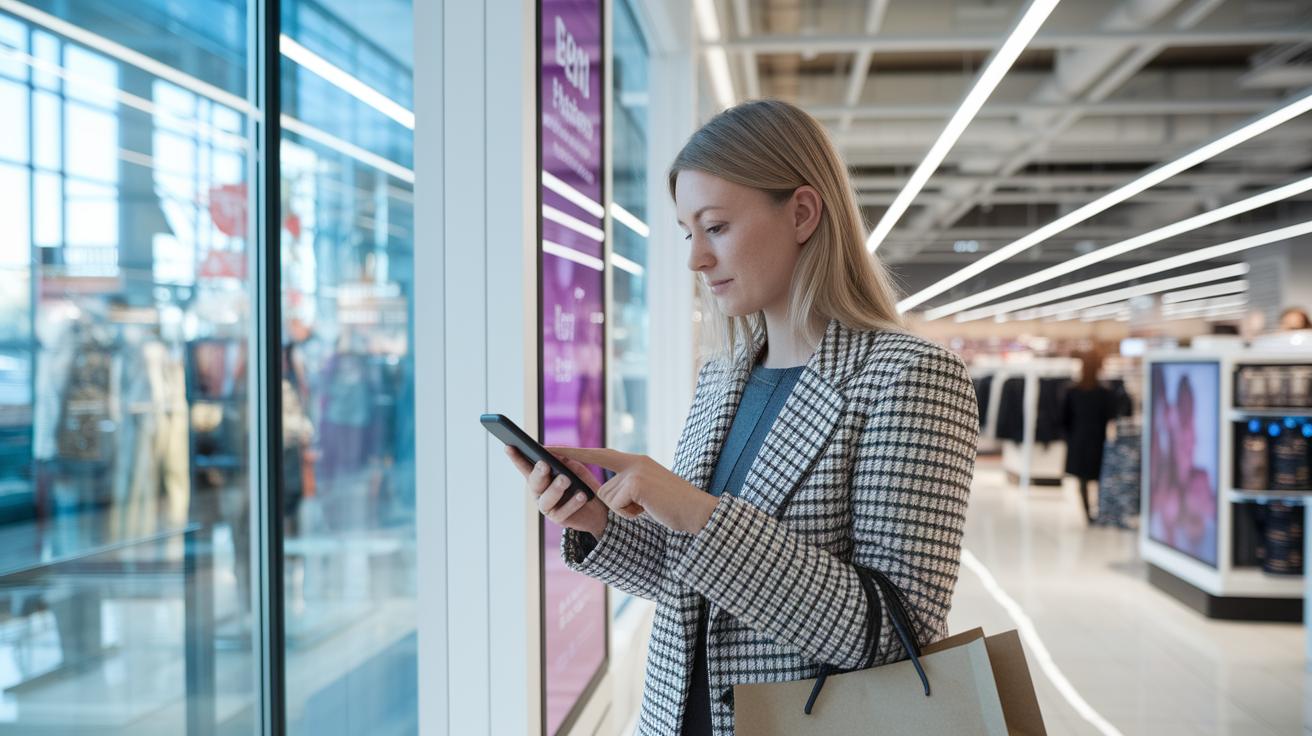
Retailers are now blending the online and in-store shopping experiences to create a smooth, unified journey for customers. They use smart headless commerce technology to link up digital storefronts, mobile apps, and brick-and-mortar shops into one easy-to-navigate system. Plus, AI-driven personalization is at the heart of this setup, sifting through data from both online and physical purchases. Imagine getting an email with offers perfectly matched to your recent in-store buys and the ads you then see online.
Mobile-first approaches, along with email, SMS, and even chat messaging, are key to this seamless integration. Retailers make sure every interaction, from a mailed flyer to a social media post, adds up to a consistent customer experience. In fact, research shows that most shoppers are more likely to buy from brands they follow on social media. This integrated strategy not only boosts customer happiness but also drives business growth by merging cutting-edge tech with classic retail tricks.
When you tie together online ads, direct mail, and other digital tactics, you build a robust and flexible framework. Every step of the customer journey feels personalized and connected, turning small touches into a big picture of success.
Designing a Unified Shopping Experience Across Omnichannel Touchpoints
We're diving into the tech challenges behind making payment flows, shopping carts, and click-and-collect work together seamlessly. Here, we explore fresh design tips to streamline operations while truly enhancing the customer experience.
Unified payment flows can be tough. Integrating different payment methods and keeping everything secure isn’t simple. Picture a checkout that works perfectly on your website, phone, or in-store kiosk, a tap on your phone that immediately confirms your in-store pickup.
Persistent shopping carts need smart tracking that remembers your choices, even when you switch devices. One mid-sized retailer saw a 23% boost in repeat visits thanks to a cart that behaved like a personal shopping assistant, always ready when you come back.
Click-and-collect setups call for smooth teamwork between online inventory and physical store logistics. Real-time stock updates and clear notifications help guide you through a pickup that feels as effortless as meeting a friend at your favorite spot.
| Key Area | Focus |
|---|---|
| Unified Payment Flows | Technical integration, security, cross-platform consistency |
| Persistent Shopping Carts | Cross-device tracking, increased repeat interactions |
| Click-and-Collect Services | Real-time inventory, operational coordination |
Implementing Cross-Channel Sales Strategy in Omnichannel Commerce

Retailers trying out cross-channel sales strategies often struggle to match data from both offline and online sources. One retailer, for instance, saw a 12% boost in immediate purchases after uniting discount codes between in-store systems and mobile alerts.
Some forward-thinking brands overcome these hurdles by blending headless commerce flexibility into local platforms, especially during flash promotions. Imagine a company that uses a cloud system to tweak digital ads, SMS, and email campaigns on the fly during a live event. This approach keeps customer communications smooth, even when different channels aren’t perfectly in sync.
Case studies show that fine-tuning the tech stack beyond basic AI personalization leads to more agile messaging and better conversion rates. For example, one retailer aligned its data feeds to roll out dynamic offers across multiple channels, which resulted in engaging, timely interactions with customers.
These examples clearly highlight the importance of operational agility and smart tech integration when it comes to smoothing out misalignments across channels.
Streamlining Inventory and Order Management in Omnichannel Commerce
Retailers often wrestle with logistics issues, 68% report trouble balancing supply across many channels. Omnichannel strategies fix this by syncing inventory data from both online and brick-and-mortar outlets, so every product update shows up in real time. When a sale happens, a centralized system kicks in immediately to adjust stock levels, cutting down the chance of running out and speeding up order processing.
Picture a digital dashboard that tracks live stock levels at every location. With this kind of system, a retailer can spot restocking needs early and smooth out order fulfillment, which means fewer delays and mistakes. Many businesses are now leaning on automated tools like AI-driven inventory management to keep stock in check. This tech not only watches inventory and customer demand closely but also sends alerts when it’s time to restock, making everyday operations run more smoothly.
Unified order management systems also make a big difference. They blend data from online purchases, mobile orders, and in-store transactions into one simple platform. That single interface handles every order quickly and efficiently, preventing stock mix-ups and helping deliveries get out the door faster. In the end, these streamlined processes boost customer satisfaction while driving business success.
Measuring Performance and Engagement in Omnichannel Commerce

Keeping an eye on the right metrics gives us a clear look at how each interaction shapes a smooth, unified customer experience. Marketers check figures like same-customer repeat rate, average order value, cross-channel conversion rate, customer lifetime value, and net promoter score to fine-tune their approach. It’s like having a map that shows which customer touchpoints hit the mark and which ones need a little extra love.
Unified analytics platforms tie sales and engagement back to each campaign, making it easy to see which digital moves really drive results. Have you ever noticed how a small tweak in one part of your campaign can lead to a big boost in customer sentiment? For example, one manager shared, “Our net promoter score jumped by 12 points after revamping our digital ads,” showing how smoothly integrated campaigns can directly affect how customers feel.
Using these analytics isn’t just about crunching numbers, it’s about understanding what makes customers tick and linking that behavior directly to revenue. By keeping a close watch on these key indicators, retailers can adjust their strategies on the fly, ensuring every effort, whether online or in a brick-and-mortar store, brings better returns. This regular review of data not only guides strategy but also builds a solid foundation for long-term success and loyal customer relationships.
Overcoming Challenges and Ensuring Compliance in Omnichannel Commerce
Retailers often grapple with three main hurdles in omnichannel commerce: technical issues, high costs, and strict regulations. Businesses struggle to blend old legacy systems with shiny, new digital tools, all while safeguarding customer data across multiple channels. One retailer even shared how switching to an API-first strategy drastically cut their downtime.
When it comes to technical challenges, the key is to take one step at a time. By rolling out changes gradually and adopting an API-first approach, companies can update distinct parts of their system instead of a complete overhaul. This method makes it easier to add new channels without causing a big disruption.
The price tag of updating systems can also be a major roadblock. Upgrades might feel expensive, but scaling slowly and using cloud-based platforms can help spread the costs over time. Plus, using automated monitoring tools keeps data secure without stretching the budget too thin.
Regulatory requirements add another layer of complexity. Retailers need to follow rules like PCI standards and GDPR when handling cross-channel payments and customer data. A robust plan that includes regular audits and solid data security practices not only meets these standards but also builds trust with customers.
By using smart compliance tactics and flexible integration strategies, businesses can bolster their data security and ease the financial and technical stresses of creating a smooth, omnichannel experience.
Real-World Omnichannel Commerce Examples and Best Practices

Big brands are showing us how merging different sales channels can boost customer engagement and drive real growth. Think of Disney: they transformed how visitors plan their park day by offering a mobile app that provides live updates and interactive maps. It’s like having a personal guide that helps you find rides, shows, and dining options in just a few taps.
Starbucks has also stepped up its game by blending rewards, store locators, and even music integrations in its app, creating a fun and personalized experience for everyone. Over at PUMA, unifying customer data from both online and in-store purchases led to a stunning fivefold increase in email revenue. Similarly, Sephora’s Beauty Insider program ties together online profiles with in-store perks to offer customized product recommendations and exclusive deals. And Crate & Barrel uses features like saved carts and data from multiple devices to make shopping easier and increase conversion rates.
| Brand | Strategy | Outcome |
|---|---|---|
| Disney | App-based planning with live updates | Enhanced park experience |
| Starbucks | Integrated rewards and app features | More repeat visits |
| PUMA | Unified customer data | 5× email revenue boost |
| Sephora | Online-to-store loyalty integration | Stronger customer retention |
| Crate & Barrel | Cross-device cart synchronization | Improved conversion rates |
These examples show how blending physical and digital channels can create trust and improve every customer interaction. When brands integrate their touchpoints, they not only improve engagement but also drive real revenue growth. It’s a clear reminder that combining online and offline experiences isn’t just a trend, it’s a smart move for any business looking to succeed in today’s fast-paced market.
Future Trends Shaping Omnichannel Commerce
Imagine a store opening that sends a 37% surge in website visits, blending the excitement of a traditional storefront with online ease. Retail is evolving fast, driven by trends that are as surprising as they are clear. For instance, nine out of ten people now choose to buy from brands they already follow on social media, a sign that these platforms are revolutionizing how businesses connect with customers.
Consumers are quickly shifting to shopping on their mobile devices. Whether it’s a minor update to an app or a complete digital makeover, these changes can make a big difference in sales. Retailers are catching on, adopting mobile-first strategies to stay relevant and competitive in today’s fast-paced market.
At the same time, unified platforms that merge online and offline experiences are sparking global growth. By tapping into agile, headless models and API-driven systems, brands are better equipped to keep up with trends and broaden their market reach. This tech-driven approach is making the shopping experience smoother and more personalized than ever, meeting customers right where they are.
Final Words
In the action, the article explored the fundamentals of a unified shopping experience and covered strategies for integrating digital and physical sales channels. It broke down how a fully integrated approach boosts the seamless customer journey with real-time inventory updates and pinpoint performance metrics.
We also highlighted real-world examples and emerging trends within omnichannel commerce. This fresh look fuels actionable insights, driving us toward smarter decisions and uplifting outcomes. Here's to pushing boundaries and embracing modern e-commerce with confidence.
FAQ
What is omnichannel commerce?
The term omnichannel commerce indicates a fully integrated approach across physical stores, ecommerce, mobile apps, and social media. It creates a consistent, unified shopping experience by connecting every touchpoint in a seamless customer journey.
How does an omnichannel commerce strategy work?
An omnichannel commerce strategy uses integrated data from both online and offline channels to deliver personalized experiences. This approach boosts engagement, encourages repeat purchases, and eliminates gaps in the customer journey.
What are some examples of omnichannel commerce?
Omnichannel commerce examples include mobile apps linked with in-store services, online-to-store loyalty programs, click-and-collect options, and synchronized shopping carts across devices, all of which enhance the customer experience.
What defines an omnichannel ecommerce platform?
An omnichannel ecommerce platform connects physical and digital channels by integrating mobile, web, and social storefronts. This integration supports a smooth shopping process and real-time data sharing for a unified customer experience.
How do omnichannel and multichannel differ?
Omnichannel commerce offers a single, integrated customer experience across all channels, while multichannel setups run separate platforms that operate independently, resulting in less consistent interaction and personalization.
What constitutes an omnichannel business model?
An omnichannel business model centers on synchronizing various sales channels using integrated technology. Consistent messaging and real-time data coordination empower businesses to offer a cohesive and engaging customer journey.
What are the four pillars or Cs of omnichannel commerce?
The four pillars or Cs of omnichannel commerce refer to key components like customer focus, consistency, connectivity, and convenience. These elements ensure that every interaction is aligned and improves the overall shopping experience.
Where can I find an omnichannel commerce PDF?
An omnichannel commerce PDF is typically a downloadable guide that outlines detailed strategies, best practices, and key metrics. Such documents provide actionable insights to help businesses create unified customer experiences.