
Ever wonder why some online shops make buying feel so effortless? It starts with an eye-catching ad and unfolds into a process that’s almost magical.
Imagine this: clear reviews, detailed product information, and friendly customer support guiding you every step of the way. These well-planned choices turn a simple click into a satisfying moment.
Each part of the journey, from that first spark of interest to loyal customers sharing their positive experiences, builds a seamless shopping experience. Let’s dive into how every stage shapes a process that feels just right for every shopper.
Mapping the ecommerce customer journey: From Awareness to Advocacy

The customer journey happens in five simple steps. It begins with Awareness, when shoppers first notice a brand through an eye-catching ad, a quick search online, or a friendly recommendation. Imagine scrolling through your feed and seeing a colorful ad that grabs your attention, sparking instant curiosity.
Next comes the Consideration stage. At this point, buyers take a closer look at what’s on offer. They read clear, detailed descriptions and honest reviews to decide whether a product fits their needs, just like when you check out multiple opinions on a new health supplement before making your choice.
Then we reach the Decision stage. This is when interest turns into action. A recent HubSpot 2024 Consumer Trends Report tells us that product quality influences about 51% of purchase decisions, while a good past experience plays a role in 25% of them. In other words, clear information and the comfort of familiarity tip the scales towards making a purchase.
After a sale, the journey moves into Retention. Here, great product quality paired with solid customer service makes buyers want to return. Think of a customer who keeps coming back because their first experience was so smooth and satisfying.
The final stop is Advocacy. Happy customers start sharing their positive experiences, through glowing reviews or on social media, helping to spread the word and build trust for the brand.
| Key Metric | Data Point |
|---|---|
| Global Ecommerce Sales Forecast | $6.5 trillion by 2023 |
| Checkout Conversion Rate | Less than one-third |
| Mobile Traffic | 50% of total |
| Return Shoppers Increase | 59% rise |
| Repeat Buyers’ Revenue Share | 21% contribute 44% of revenue |
| Shop App Orders from Return Purchasers | 59% |
This step-by-step path, from sparking awareness to turning buyers into brand advocates, shapes not only how people shop but also how they build lasting, loyal relationships with their favorite brands.
Designing an ecommerce customer journey map

Begin by setting clear goals that mesh well with your overall ecommerce plan. Think of it as drawing a simple map that shows every spot where your customer meets your brand. First, get to know your buyer personas, figure out their daily habits, what they’re aiming for, and even what bugs them on the way to making a purchase.
Next, list every touchpoint a customer might experience, from the moment they see your ad to when they share feedback after buying. Mix insights from surveys and focus groups with solid data from your analytics to create a complete picture. Sometimes, sketching out the journey with a flowchart or timeline can really highlight where things slow down.
Here’s a simple step-by-step guide:
- Set clear, measurable goals that support your bigger business plans.
- Identify your buyer personas to tailor the journey.
- List every customer touchpoint.
- Gather feedback and analytics data.
- Visualize the journey using flowcharts or timelines.
- Spot friction points and areas for improvement.
- Test solutions designed to smooth out those bumps.
- Track key stats like conversion rates and engagement at each touchpoint, then update your map regularly.
These steps help you craft a customer journey map that not only outlines each interaction, but also pinpoints where buyers might hesitate. Imagine a shopper nearly abandoning their cart because the checkout process feels too long. By mapping out that touchpoint, you can find ways to streamline the experience and boost overall satisfaction.
Optimizing the ecommerce conversion funnel at each stage

When building your online store, every step matters. Most users decide in just a few seconds whether your site is worth a deeper look. This means your homepage should greet visitors with a clean design and engaging content that makes them want to stay.
At the very top of the funnel, it's a smart move to introduce a touch of urgency. For instance, a simple pop-up saying "Only a few items left in stock!" can gently encourage shoppers without coming off as pushy.
Social proof is also key. Think of putting up customer testimonials, ratings, and even real-life user photos to build trust. Plus, you can take personalization to the next level, imagine showing tailored product suggestions when someone adds a smartphone to their cart.
Mobile shoppers deserve special care too. Many mobile users have different challenges than desktop users, so optimizing your site’s layout, load times, and interactive features is crucial. A smooth browsing experience on mobile means smoother steps from product discovery to checkout.
Speaking of checkout, here's a gold nugget: fewer than one-third of checkout visits convert. So, simplify the process by cutting out extra form fields, offering a guest checkout option, and displaying clear progress indicators. These tweaks make the buying process feel effortless.
Key strategies to succeed include:
- Enhancing user delight with a clear, inviting interface.
- Subtly instilling urgency with timely cues.
- Building trust with authentic customer reviews.
- Personalizing interactions well beyond just names.
- Ensuring mobile experiences are just as seamless.
- Streamlining checkout to minimize friction.
Finally, keep your approach consistent across all channels. When every touchpoint in your digital ecosystem sings in harmony, your customers not only convert but also stick around for the long haul.
Leveraging data analytics in ecommerce user behavior mapping

Data analytics is like a window into how shoppers move around an online store. When platforms track click paths, session times, and what devices people use, they build a clear picture of customer habits. For example, if someone lingers on a product page before deciding, that small detail might prompt a tweak in the page layout or timing of a promotion.
Take digital commerce clickstream analysis. It gathers conversion path reports, which show the series of pages a shopper browses before buying something. By measuring the number of visits or days between these stages, you can spot where customers get stuck or abandon their carts. Picture a shopper who visits the checkout many times but never buys; that’s a signal to investigate further.
Key tracking techniques include:
| Technique | Description |
|---|---|
| Click Paths | Following every link a shopper clicks |
| Session Durations | Recording how long visitors stay on pages |
| Device Tracking | Seeing which devices are used to browse |
| Drop-off Pages | Finding pages where visitors leave |
These insights allow us to refine the site layout and adjust content placement. By tweaking interactive elements and timing promotions using real-time data, you can create a smoother experience that encourages quicker purchases. In the end, these adjustments reduce friction and help customers complete their shopping journeys with ease.
Driving retention and advocacy in the ecommerce customer lifecycle
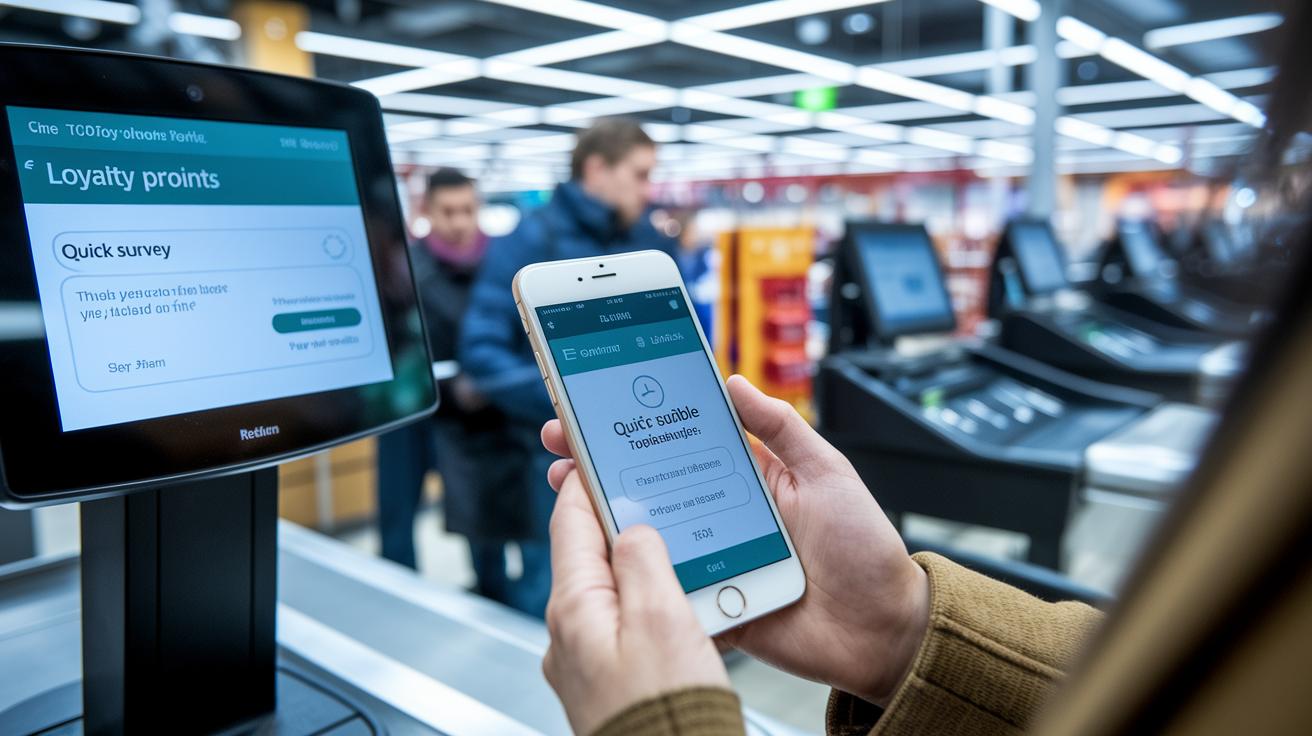
Repeat business is at the heart of any successful online store. A simple idea, like setting up a loyalty program that gives customers perks for their repeat visits, can really work wonders. For instance, a retailer might invite shoppers with, "Earn points with every purchase and enjoy exclusive perks!" These kinds of programs naturally keep customers coming back.
Post-purchase surveys are another great way to stay connected with your buyers. Picture a quick question: "How did we do? Your thoughts help us serve you better." Not only does this show customers that you value their opinion, it also gives you useful feedback to improve their future experience.
Sending personalized re-engagement emails can also help remind customers that you're still there. Imagine receiving a friendly note saying, "We miss you! Here’s a special offer just for you." Tailored messages like these, based on past purchase habits, can keep the connection alive long after the initial sale.
Encouraging reviews and referrals is another smart move for building genuine brand advocates. When customers are asked to share their positive experiences or refer friends, they often become your most passionate supporters. Think of a prompt like, "Loved your experience? Share and earn rewards!"
Some key numbers show just how effective these strategies can be: a 59% rise in return shoppers, with repeat buyers, just 21% of the customer base, responsible for 44% of revenue, plus 59% of orders on the Shop app coming from loyal buyers.
- Utilize loyalty programs
- Gather feedback through surveys
- Send personalized emails
- Offer review and referral rewards
Case studies in successful ecommerce customer journey enhancements

Imagine an online store that swapped out its custom-built platform for headless commerce. This smart move cut technical expenses by 40% and boosted engagement. One business saw an amazing shift, they rolled out new websites 90% faster and at just 10% of the usual cost. It’s like watching a digital storefront spring to life, impressing both shoppers and investors.
In another case, routine checks of the customer journey made a big difference. By looking at every single touchpoint, the retailer discovered ways to smooth out the experience. Think of it like noticing a slight delay at checkout and fixing it immediately. Every small adjustment came together to create a seamless path that kept customers coming back.
One retailer took it a step further by mapping every customer interaction and evaluating their entire online process. The result? A solid 25% saving on operational costs. Picture rethinking the checkout process and cutting out those extra, unnecessary steps. Each tweak not only improved the customer experience but also boosted the bottom line.
These examples show how smart, data-driven changes can reshape the ecommerce journey. By continually reviewing and refining each phase, online stores can slash costs and build stronger customer loyalty. It’s a clear reminder that even small changes can lead to big wins in engagement and revenue.
Final Words
In the action of mapping and designing our ecommerce customer journey, we saw how simple touchpoints build lasting connections. The blog broke down stages from awareness to advocacy with clear data and actionable steps. Each section offered insights to boost conversion and re-engagement through real-world examples and analytics. The detailed process empowers decision-making with a genuine look at retail growth. This approach drives continuous improvement, fueling both strategy and success in your ecommerce customer journey. Keep pushing forward and striving for smoother customer experiences.
FAQ
What is an ecommerce customer journey map or template?
The ecommerce customer journey map or template illustrates every step a shopper takes—from initial brand discovery to turning into a loyal supporter. It highlights key touchpoints and areas to improve the experience.
How do ecommerce customer journey PDFs assist businesses?
Ecommerce customer journey PDFs present visual flowcharts or timelines that capture each interaction. They help businesses identify friction points and streamline the path from interest to conversion.
What are ecommerce customer journey touchpoints?
Ecommerce customer journey touchpoints are the moments when shoppers interact with your brand, such as viewing ads, reading reviews, or contacting support. Each touchpoint offers vital insights to boost engagement.
What is the ecommerce customer journey?
The ecommerce customer journey outlines a shopper’s path through stages like awareness, consideration, decision, retention, and advocacy. This process shapes their overall experience with the brand.
What are the 5 main points of a customer journey?
The 5 main points include awareness, consideration, decision, retention, and advocacy. Each stage plays a crucial role in guiding a customer from initial interest to ongoing loyalty.
What are the 3 C’s of e-commerce?
The 3 C’s of e-commerce usually refer to customer, convenience, and cost. These principles focus on engaging shoppers effectively, facilitating an easy buying process, and offering competitive value.
What are the 5 A’s of the customer journey?
The 5 A’s represent aware, appeal, ask, act, and advocate. They serve as a framework for businesses to develop strategies that move shoppers from discovery to enthusiastic brand support.