

Have you ever thought about how online shopping is reshaping retail? Retailers are mixing clever technology with user-friendly designs to make buying both easier and faster. Picture a dashboard buzzing with data insights alongside clear, simple menus guiding your every click.
This isn’t simply a fleeting trend. Ecommerce innovation is setting the stage for a future where shopping feels more connected and intuitive. It’s like every click brings us one step closer to a smarter, more engaging retail experience.
How Ecommerce Innovation Shapes Today’s Online Retail Landscape
Today's ecommerce scene is evolving fast as retailers work to connect with consumers in new and exciting ways. Smart digital tools and intuitive website designs are the foundation. Think dashboards like Map Pricing Software, Price Alerts, Keyword Rank Tracker, and Competitor Analysis Dashboard that continuously crunch data so businesses can easily fine-tune their strategies.
A slick website goes a long way. When customers find clear menus and someone-friendly designs, they shop without stress and come back for more. SEO still plays a crucial role, too. By weaving in the right keywords and high-quality content, sites become more visible, inviting the exact audience a retailer needs. For example, major brands using advanced dashboards have seen a 25% boost in online sales simply by making real-time, data-supported adjustments.
Retailers are diving into a mix of inventive trends that power today’s online retail:
| Innovation Category | Description |
|---|---|
| Quick commerce & dark stores | Speed-focused services that revolutionize product delivery. |
| AI & machine learning personalization | Tailoring experiences with smart technology that learns from shoppers. |
| Augmented reality & virtual shopping | Tools that let you try products virtually before buying. |
| Sustainable & ethical practices | Strategies that shine a light on eco-friendly and fair-trade choices. |
| Payment & checkout enhancements | Simplified processes that make completing a purchase fast and secure. |
| Mobile & app-driven strategies | Optimized experiences designed for shopping on the go. |
| Social commerce & influencer integrations | Mixing social media trends with shopping for fresh, dynamic experiences. |
| Data analytics & predictive insights | Using numbers and trends to forecast what consumers want next. |
| Subscription & loyalty model innovations | Building ongoing customer relationships with engaging, recurring offers. |
By embracing these innovations, companies are consistently updating their digital game plan. It’s all about staying agile in a market that’s always on the move. And honestly, when tech meets creativity, the results are pretty remarkable.
Next-Gen Logistics in Ecommerce Innovation: Quick Commerce and Dark Stores
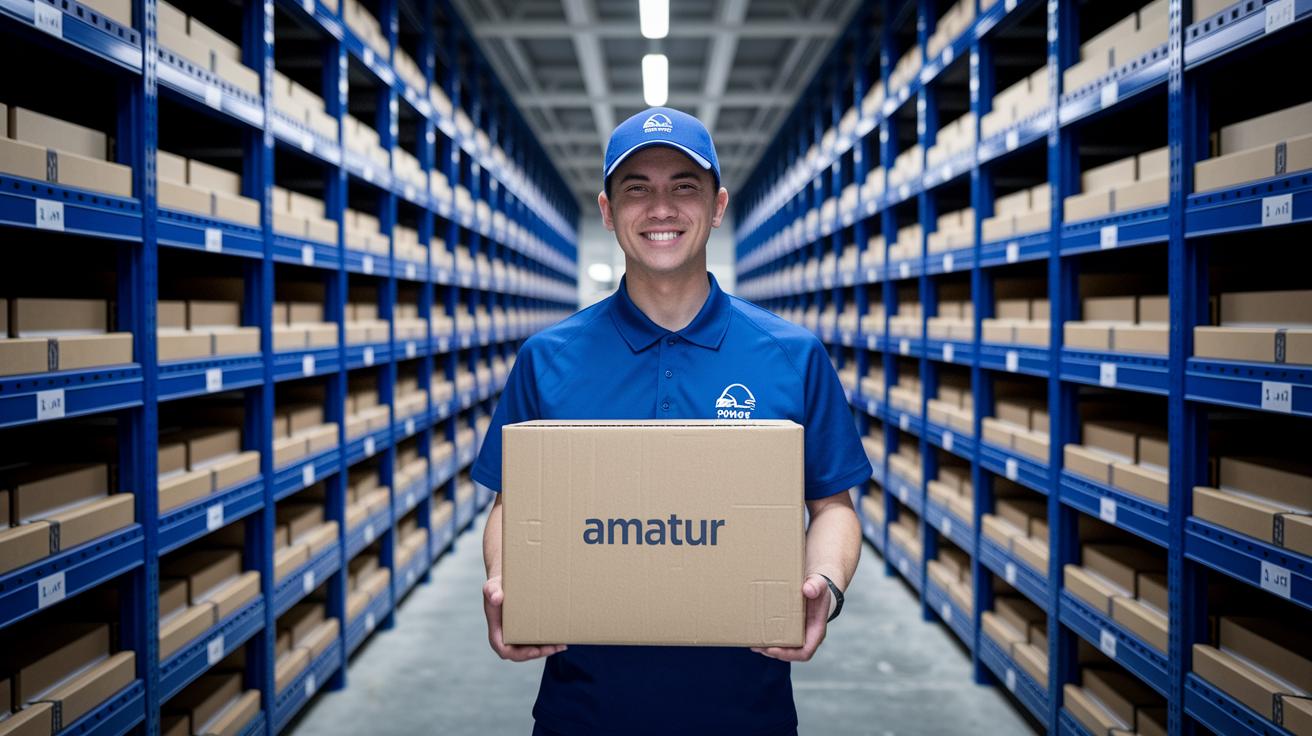
Quick commerce is redefining the shopping experience by getting orders to customers in just minutes. Imagine placing an order and almost instantly having it at your doorstep. Retailers are setting up micro-fulfillment centers, small, efficient hubs designed to optimize inventory and accelerate last-mile delivery. It’s like the smooth, seamless experience of ordering online and enjoying a rapid turnaround.
Dark stores push this speed even further. These unique retail hubs don’t have a storefront for walk-in customers; instead, they keep inventory ready for immediate shipment. By being strategically located near customers, dark stores work like secret bases, ensuring orders are swiftly dispatched. It’s a clever way to keep the pace fast and the service reliable.
On-demand teams, such as those behind Vinted GO, are also shaking things up. Their innovative approach extends quick commerce into new areas while boosting operational efficiency, even in remote locations. With customers now expecting almost instant gratification, these logistics advances create a framework for smooth, reliable e-sales. In fact, rapid delivery and always-available stock are transforming how online retail meets modern consumer needs.
AI-Driven Ecommerce Innovation: Personalization, Automation, and Predictive Analytics
Chatbots are now taking center stage in customer service. They offer instant help around the clock, slashing wait times and trimming operational costs. Personalized recommendation systems look through your past browsing and purchase history, so you see items that perfectly match your taste. This not only keeps shoppers engaged but also boosts sales, one major marketplace saw a 21% increase in conversions after fine-tuning their design.
Next, AI tools are making inventory management a breeze. By predicting product demand accurately, AI-based forecasting helps prevent stock shortages. For those curious about advanced inventory control, check out our detailed guide on ai inventory management. Retailers are also enjoying the perks of predictive pricing, where prices adjust on the fly based on market trends and shopper behavior. And with customer segmentation, data-driven insights group shoppers into tailored segments, enabling more personalized marketing efforts.
These innovations work together to create a smooth and engaging online shopping experience. By automating everyday tasks and anticipating customer needs, AI-driven strategies are not only streamlining operations but also opening fresh avenues for growth. The table below outlines the main AI features and their benefits for retail:
| AI Feature | Application | Benefit |
|---|---|---|
| Chatbots | 24/7 customer support | Faster responses, lower costs |
| Personalized Recommendations | Analyzing browsing and purchase data | Increased conversions |
| Inventory Forecasting | Demand planning for products | Prevents stockouts |
| Predictive Pricing | Adjusting prices dynamically | Optimizes profit margins |
| Customer Segmentation | Grouping audiences by data insights | More personalized marketing |
Immersive Technologies in Ecommerce Innovation: Augmented and Virtual Reality

Ecommerce is stepping into a world where shopping feels more real than ever. Retailers are merging the digital with the physical by using clever augmented reality tools that let you interact with products directly. Imagine using an app that shows you exactly how a new sofa would look right in your living room. This kind of experience builds your trust before you hit the buy button and even cuts down on returns.
AR Applications
Picture this: you virtually try on an accessory and instantly know it's perfect. AR brings online shopping to life with virtual try-ons and 360° views that give you a true feel for a product. It's like having a fitting room right on your phone. This practical tool makes deciding easier and helps solve the common problem of returns.
VR Storefronts
Now, think about walking through a store without leaving your home. VR storefronts recreate the buzz of brick-and-mortar shopping through interactive displays and virtual tours. You can examine every detail of the products, much like you would in a real shop. Plus, live-stream shopping events add a social twist, making the experience both dynamic and engaging. This fresh approach transforms the usual shopping trip into a personal and innovative journey.
Sustainable and Ethical Ecommerce Innovation for Future Growth
Retailers are now embracing ways of doing business that not only boost profits but also help take care of our planet. More and more, shoppers are choosing brands that stand up for the environment. And it turns out, using green practices online isn’t just a trend, it’s a smart way to earn customer trust. Just picture a product label that tells you every step of its eco-friendly journey; that kind of transparency creates a real emotional bond with buyers.
Many brands are putting their money where their mouths are by using recyclable packaging, offering carbon-neutral shipping, and even creating programs that let products be returned and recycled. Take Patagonia for example. Their eco-friendly shopping model isn’t just talk; it really shows how stylish, sustainable choices can build customer confidence and loyalty.
Online retailers are also learning that ethical sourcing and sustainable supply chains are key parts of a winning ecommerce plan. These efforts let brands meet what consumers want, a responsible approach that also sets the stage for future growth. In fact, weaving these practices into everyday operations is becoming a fundamental business strategy in our fast-paced digital marketplace.
Payment and Checkout Innovation: Blockchain, Cryptocurrency, and Secure Transactions

Retailers are embracing inventive online payment methods that blend speed with top-notch security. Newegg now accepts Bitcoin and Ethereum, giving crypto-friendly shoppers a fresh alternative to traditional payments. And then there's Amazon’s one-click checkout, which makes buying a breeze by cutting down on cart abandonment. This shift highlights a wider move toward integrating blockchain in retail, where every transaction benefits from cryptographic protection to build trust.
Digital wallets and smart-contract payments are quickly taking center stage. Think of these wallets as digital keys that unlock smooth and secure payment experiences. Imagine being in the middle of a busy day, tapping your smart wallet to handle your purchase effortlessly, leaving you free to enjoy your shopping moment without any hiccups. This mix of convenience and security not only ramps up conversion rates but also forges lasting trust between consumers and platforms, paving a bright future for retail innovation.
ecommerce innovation Sparks Bright Retail Future
Progressive Web Apps (PWAs) and Accelerated Mobile Pages (AMP) are really changing the game for mobile browsing. These tools help your website load in less than two seconds – fast enough to keep shoppers engaged without any annoying delays. In fact, one retailer even saw a 30% boost in conversions after switching to PWAs, proving that speed can spark sales growth.
Social media has grown way beyond just likes and shares. Today, shoppable posts and influencer partnerships are key parts of the ecommerce toolkit. By including features like QR codes and in-app checkouts, retailers can make the buying journey as smooth as chatting over coffee. Imagine scanning a QR code during a social media campaign and being led straight to a hassle-free checkout page. It’s a seamless, efficient path that can turn casual viewers into quick buyers.
Key strategies in mobile and social commerce include:
- Leveraging PWAs and AMP for ultra-fast mobile site performance.
- Using shoppable posts to transform social engagement into direct sales.
- Partnering with influencers to build genuine, relatable customer connections.
- Integrating QR codes and in-app checkouts to simplify the shopping journey.
These mobile-first and social-driven tactics are reshaping online retail, boosting engagement and driving revenue. Retailers who adopt these smart strategies are gearing up for a bright future in our fast-paced digital world.
Final Words
In the action, this post showcased how ecommerce innovation reshapes online retail, from quick delivery models and smart logistics to AI personalization that boosts conversions. It explored interactive AR and VR experiences that transform shopping and sustainable practices that resonate with modern consumers. Payment innovations and mobile, social strategies also highlight how technology streamlines every step. Each section offers clear insights for better decision-making and strategy shifts. The future feels bright as ecommerce innovation continues to spark progress and open up exciting new opportunities.
FAQ
How do ecommerce innovation examples shape online retail?
Ecommerce innovation examples illustrate how new technologies like AI personalization, immersive experiences, and fast-delivery models enhance customer engagement and boost sales in today’s competitive market.
What are some leading ecommerce innovation ideas emerging in online retail?
Leading ecommerce innovation ideas include integrating AI-driven personalization, implementing quick commerce models, adopting augmented reality experiences, and streamlining payment systems, all designed to improve customer satisfaction and conversion rates.
What current ecommerce trends are influencing the market?
Current ecommerce trends influence the market by leveraging fast delivery, mobile-first strategies, sustainable practices, and advanced data analytics, all aiming to create smoother shopping experiences and increase operational efficiency.
Which companies are leading ecommerce innovation?
Companies at the forefront of ecommerce innovation adopt advanced tools like intelligent inventory forecasting, immersive virtual storefronts, and enhanced payment options, setting higher standards for customer service and market adaptability.
What does the Ecommerce Innovation Alliance do?
The Ecommerce Innovation Alliance brings industry leaders together to share insights, promote best practices, and drive technology adoption that fosters a more dynamic and efficient online retail environment.
What are five major trends in ecommerce today?
Five major trends in ecommerce today include quick commerce, AI-driven personalization, augmented reality shopping, sustainable retail practices, and enhanced payment systems that simplify the checkout process and improve trust.
What insights do recent ecommerce trends PDFs provide?
Recent ecommerce trends PDFs offer insights into emerging technologies, efficient logistics setups, mobile-first experiences, and data-centric strategies that are transforming overall online retail operations and customer interactions.