

Ever wonder if your online store might be at risk because its policies aren’t quite right? Many online sellers face a maze of rules, from safely handling payment details to protecting customer data. And it’s not just about dodging fines; following these guidelines builds trust and makes your customers feel secure.
Our guide walks you through simple, clear steps to meet these requirements. It’s like untangling a knot, making it easier to run a safe and honest business. Let’s dive in and set your e-commerce shop up for lasting success.
Core Regulatory Requirements for Ecommerce Policy Compliance

Online merchants have to deal with a maze of rules to avoid fines, lawsuits, or even having their business shut down. Keeping up with these regulations isn’t just about dodging fines, it also builds brand trust and keeps customers confident. Every rule protects both the business and its customers in a fast-paced online marketplace.
This guide breaks down the key areas that are essential for solid compliance. In addition to having clear terms and conditions, like those shown in our Store Policies for Customers, merchants need to focus on several vital areas:
- Payment security (PCI-DSS)
- Data privacy (GDPR, CCPA)
- Children’s data protection (COPPA)
- Advertising disclosures (FTC)
- Accessibility requirements (ADA)
- Sales-tax registration and remittance
- Shipping and customs protocols
Each of these elements helps build a safe, reliable framework for running an online business. For instance, following PCI-DSS means customers’ card details are kept secure, which boosts trust. Similarly, sticking to GDPR and CCPA means personal data is well-protected. COPPA makes sure minors’ data stays safe, and FTC guidelines keep advertising honest and clear. ADA standards ensure websites are accessible to everyone, supporting both legal needs and inclusivity. Taking care of sales-tax and customs rules also means the business stays on the right side of the law, even when crossing borders.
Together, these components form the backbone of a stable compliance strategy, turning complex regulations into a manageable plan for sustainable success in ecommerce.
Data Privacy Frameworks in Ecommerce Policy Compliance

Since GDPR took effect in 2018, EU rules require clear, upfront permission and strong protection for personal data. California’s CCPA is similar, it gives residents the right to see, delete, and opt out of having their data sold. And then there's COPPA, a law since 1998 that stops websites from collecting information on kids under 13 without getting parental consent first. Each of these laws covers different areas, so ecommerce merchants have to juggle a mix of rules to keep customer data safe.
Enforcing these privacy rules can be straightforward. Merchants can set up audit logs to record every data interaction, which helps show that they have proper consent and are handling the data correctly. Using opt-in banners and cookie controls makes it clear to customers how their information is used. Plus, keeping an up-to-date data inventory and using a consent-management platform makes daily data handling easier and keeps the business in line with the law.
It's also important to review and update privacy policies regularly. By doing this at least once a year, businesses can lower legal risks while building customer trust. Regular checks on data practices, whether for GDPR, CCPA, or COPPA, help ecommerce operations stay current with privacy requirements and show a genuine commitment to protecting consumer information.
Payment Security Measures for Reliable Ecommerce Policy Compliance

Solid payment security is vital for keeping ecommerce operations compliant. By using PCI-compliant payment gateways, merchants can protect sensitive card data and steer clear of hefty fines. When strict security measures are in place, customer trust grows and the risk from data breaches drops significantly.
| Security Measure | Regulatory Standard |
|---|---|
| SSL/TLS Encryption | PCI-DSS |
| Tokenization | PCI-DSS |
| Real-Time Fraud Monitoring | Industry Best Practice |
| CVV & AVS Checks | Card Network Rules |
When you employ tools like SSL/TLS encryption and tokenization, you shield card transactions from unauthorized access. Real-time fraud monitoring, boosted by machine learning, catches suspicious activity quickly, and CVV with AVS checks serve as extra layers of verification. These tactics prevent exceeding chargeback limits, a breach that can lead to forced remediation and even account suspension. One merchant said, "The moment our system flagged a questionable transaction, our quick action stopped a pricey chargeback." Consistently using these measures builds a secure payment system, reduces risk with every transaction, and sparks a cycle of growing customer confidence. This reliable approach not only meets regulatory demands but also strengthens the entire online marketplace, paving the way for stable business operations and enduring growth in the competitive world of ecommerce.
Cross-Border Ecommerce Policy Compliance Essentials

When you sell products internationally, you need to follow each country’s legal rules. It touches every part of your online business. For example, you must handle sales taxes correctly, respect product restrictions, and pay any needed import fees. Doing so helps you steer clear of fines, delays, and keeps your customers’ trust.
In the US, sales tax rules can vary a lot from state to state. A physical store, strong sales numbers, or certain business indicators might mean you owe local sales taxes. Internationally, different countries set their own VAT or GST rules, which you’ll need to follow to price your products right and stay compliant with local laws.
Customs rules require extra care too. Some items, like alcohol, CBD products, perfumes, or nail polish, may have strict import limits or need special permits. Filing accurate customs forms helps you dodge fines and shipment delays. And don’t forget, many regions now have digital service taxes and require e-invoicing standards. Need more details? Check the Shipping Policy for Online Retailers.
Different regions have their own digital regulation standards, too. It’s wise to regularly review local legal requirements and guidelines so you stay completely on top of compliance.
Implementing Cybersecurity Protocols in Ecommerce Policy Compliance

Strong cybersecurity isn’t just a fancy add-on; it’s a must-have to protect sensitive information and avoid expensive breaches. When ecommerce businesses keep their defenses tight, they dodge legal hassles and build trust with their customers by managing data well.
Vulnerability Assessments
Regular scans and tests help spot weak spots before bad actors have a chance to strike. These checks, think detailed vulnerability scans and hands-on pen-tests, dig into your systems to find even small gaps. When issues show up, they’re fixed quickly, keeping your defenses in top shape.
Data Encryption Practices
Encryption is like a digital lock for your data. Using SSL/TLS while data travels and AES-256 when it sits safely stored means customer details and business records stay secure. These measures aren’t just best practices, they help meet privacy laws and keep unauthorized eyes out.
Secure Checkout and Fraud Detection
A safe checkout process powered by real-time fraud detection cuts down the chance of sneaky fraudulent transactions. With tools that constantly monitor and verify transactions using extra layers of security, merchants can avoid chargebacks and keep every sale secure.
Together, these cybersecurity steps build a strong foundation for following ecommerce policies. Regular security check-ups, solid encryption, and safe transactions all work hand in hand to lower the risk of compliance issues. In short, keeping cybersecurity tight not only protects your bottom line but also strengthens customer trust.
Managing Consumer Rights and Returns in Ecommerce Policy Compliance
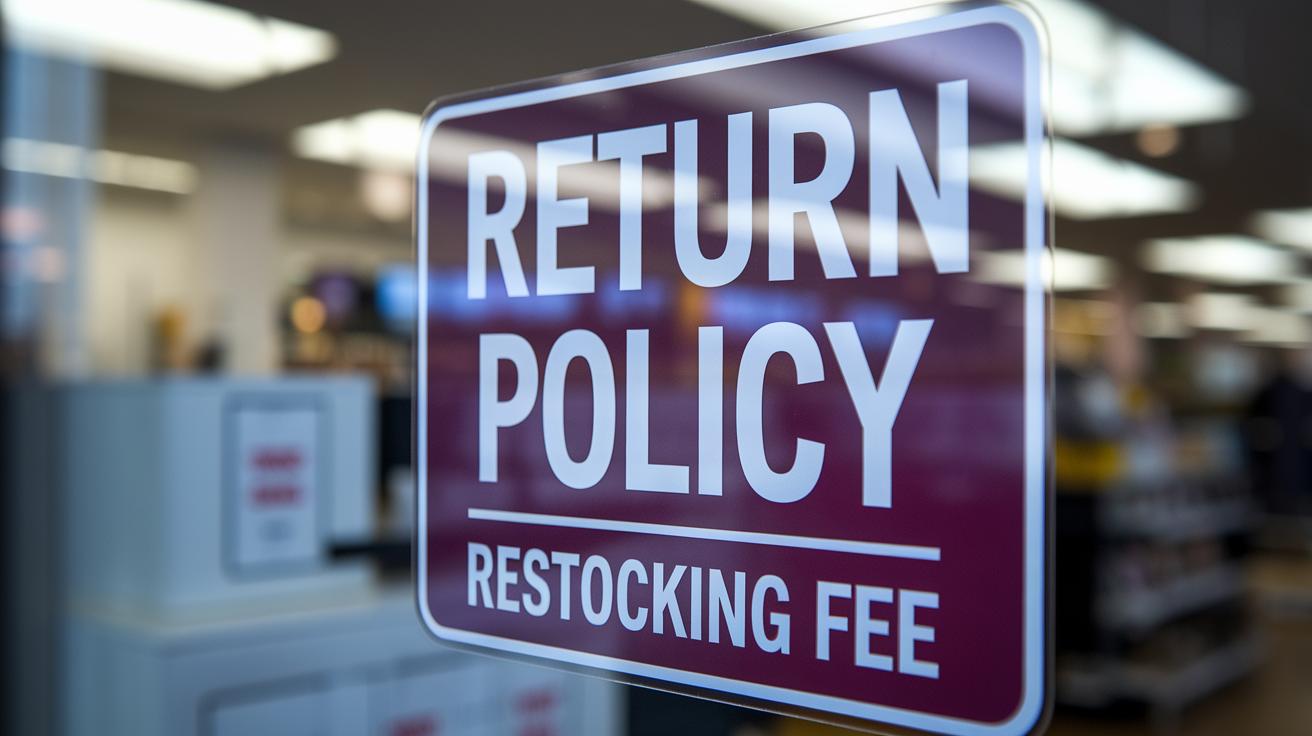
Regulations push merchants to clearly explain return windows and refund timelines so customers know exactly what to expect. This straightforward information stops confusion and helps avoid complaints or even FTC issues.
Merchants should lay out clear deadlines for returns and note any restocking fees upfront. Setting up an automatic refund system cuts down delays and mistakes, making the whole process run smoother for everyone. For more details on setting this up, check out the Ecommerce Return Policy Best Practices guide.
Clear terms and conditions form the core of protecting consumer rights. When customers understand the return and refund rules, they feel confident and trust builds over time.
Continuous Monitoring and Policy Update Strategies for Ecommerce Policy Compliance

Automated Compliance Tracking
Automated compliance dashboards make keeping an eye on key metrics and regulatory deadlines a lot easier. They let ecommerce teams set up regular checks so that privacy rules, cybersecurity protocols, and consumer data management standards are always met. Think of it like a friendly reminder on your dashboard letting you know a policy update is coming up soon, so you can act right away.
Audit Trail Management
Maintaining a log of every policy tweak and user-consent event is crucial for a strong audit trail. These detailed records not only help you defend your business legally but also make it simpler to handle any audit issues. By keeping a clear history of policy changes, you can quickly address concerns and show regulators that you’re staying ahead of the game.
Policy Updates and Staff Training
Regularly reviewing your policies is key to keeping up with the latest laws and guidelines. A good practice is to send out change notices, update your internal manuals, and run quarterly training sessions so the whole team stays informed. Cloud-based compliance tools can simplify this process by alerting everyone to upcoming changes and even automating parts of the review process.
Final Words
In the action, the article presented an overview of ecommerce policy compliance, exploring key legal and technical standards for online businesses. We broke down guidelines for payment security, data privacy, cross-border considerations, and consumer return policies, along with robust cybersecurity measures and continuous monitoring practices. Each section highlighted actionable steps that help protect businesses from fines and legal issues, supporting smart, data-driven strategies. Embrace these insights to confidently optimize your digital operations and drive success in ecommerce policy compliance.